


Coffee packaging is a curious blend of art and logistics, it has to preserve fragile aroma compounds, keep beans or grounds stable, tell a story about origin and roast, and stand up to all sorts of handling before it gets to the cup.
Unlike many other products, coffee lives in a world of freshness windows, moisture management, delicate flavours and sensory assumptions. Coffee boxes are the outermost layer of this ecosystem, and they play a role that’s deeper than simply holding a bag.
What Coffee Boxes Really Do Beyond Holding the Bag
Coffee boxes aren’t always the part of packaging that touches the coffee directly, but they influence it in important ways.
Here’s how:
- They protect the inner bag, often a foil or compostable coffee bag with a valve, from crushing and bending.
- They create a structured shelf presence so products don’t sag or fold in display racks.
- They provide real estate for storytelling about origin, roast profile, tasting notes and ethical sourcing.
- They help with inventory handling by offering consistent, stackable packaging at all points in the supply chain.
Some roasters choose to sell coffee in just a bag, but putting it inside a coffee box often elevates the product in the eyes of buyers, particularly in retail shops, gift sets or subscription models.
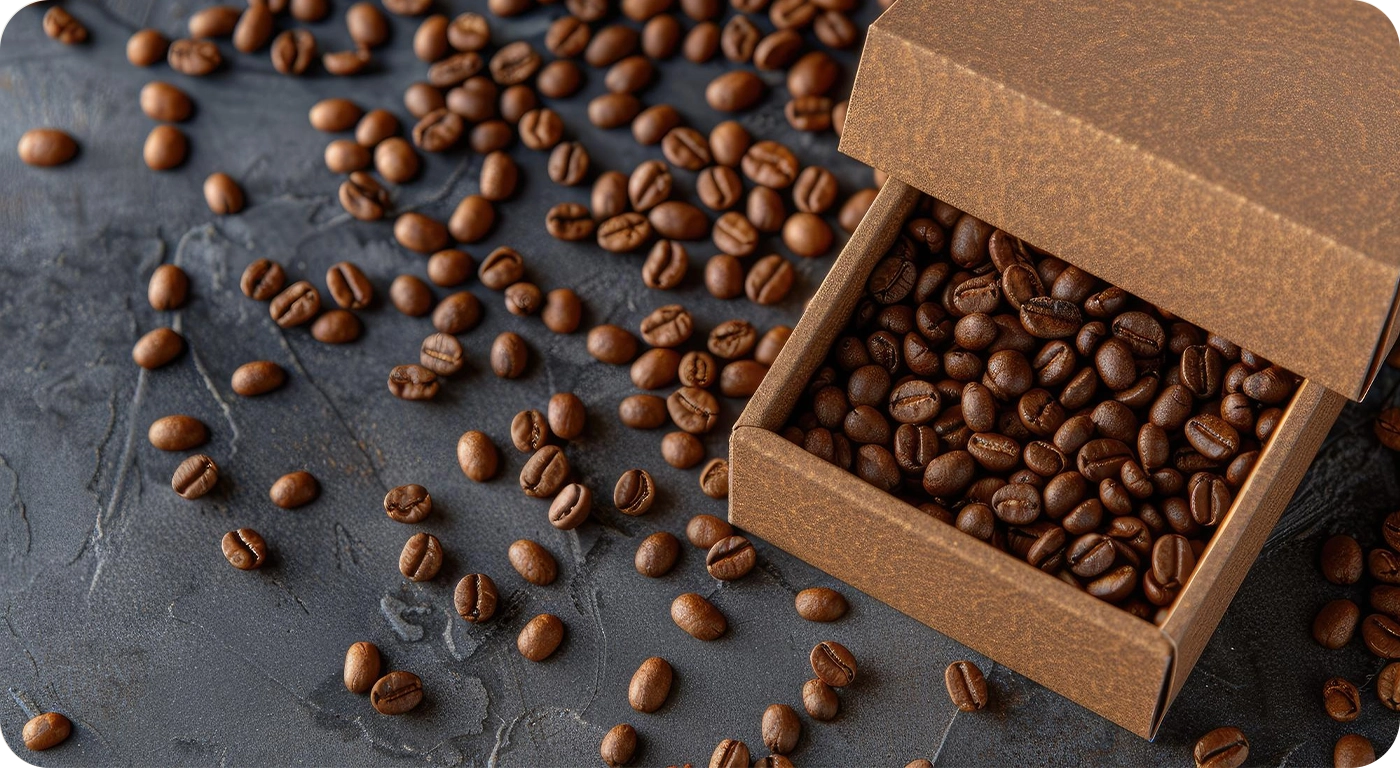
How Coffee Boxes Support Product Quality Without Saying “Preserve Freshness”
Coffee freshness is governed by oxygen, light, moisture and time. Most retail coffee bags use one-way valves that let gas out without letting air in. A box on the outside doesn’t directly control freshness in the same way a bag does, but it still helps:
- Shielding from light, as even high-end bags can fade colours and break down compounds if light penetrates. A sturdy box blocks this entirely.
- Reducing handling stress, as a boxed product takes bumps, stacks and drops better than a simple bag alone.
- Supporting structure because boxed packaging keeps the coffee bag upright and stable, so the valve orientation, which matters for degassing, is preserved.
In other words, coffee boxes work with the inner bag system to keep product quality consistent from roasting house to kitchen counter.
Designing Coffee Boxes That Speak to the Buyer
Coffee is emotional, it’s ritual, flavor memory, morning routine. Packaging has an outsized role in communicating that emotional content before a sip is taken.
Some design approaches that resonate in the U.S. market include:
- Origin-based storytelling
Highlight the farm, region and farmers themselves. Often, customers value transparency about where and how beans are sourced. - Roast profiles visually communicated
“Light roast”, “medium roast”, “dark”, when you embed these cues into colour systems and visual language, customers understand instantly without scanning text. - Interactive design elements
Pull tabs that open like envelopes, interior prints with tasting suggestions, QR codes that link to farm videos, these add a bit of discovery to the purchase. - Minimalist packaging for specialty brands
Clean lines, restrained colours, hand-drawn maps or tactile printing convey craft and intention without over-cluttering.
The common thread is that coffee packaging should feel like the coffee it represents, bold and energetic or calm and refined, depending on the roast and brand positioning.
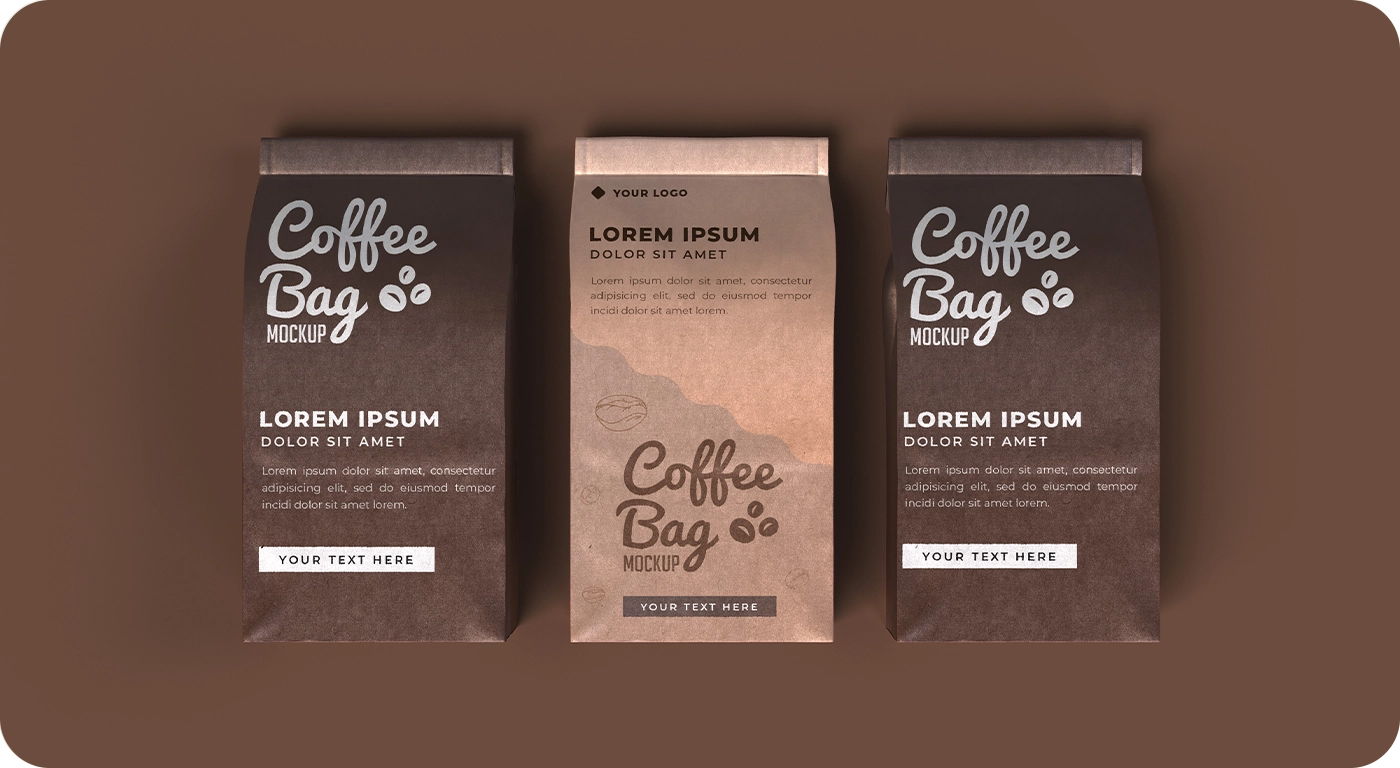
Retail Appeal: Making Coffee Boxes Work on the Shelf
Coffee is one of those products where shelf behaviour can directly impact sales. Think about how you shop:
You scan a row of packs looking not just for familiar names, but for cues, colours, graphics, origin statements, taste profiles and even packaging shapes that reflect personality.
Coffee boxes that succeed at retail often share:
- Clear brand hierarchy
Logo, flavour or roast designation and origin are visible within the first second of looking. - High contrast with competitors
Bold palettes or unique fonts help products stand out without feeling jarring or out of place. - Legible information at a glance
People don’t want to read paragraphs on shelf. They want quick cues: “Single origin”, “Ethiopian”, “Nutty & Bright”, “100% Arabica”, etc.
A well-designed coffee box looks tidy in a row, communicates clearly without overselling, and helps customers make choices quickly.
Reimagining Sustainability in Coffee Packaging
Sustainability is more than a label with a recycling logo. For coffee packaging, it means looking at how the entire packaging system interacts with environmental impact and consumer behaviour.
Here’s a fresh angle that’s less talked about:
The Circular Mindset
Rather than just asking “Is this recyclable?”, brands now ask:
- Is the packaging easy for consumers to dismantle?
- Does it require multiple materials that complicate recycling?
- Can parts of it be reused as storage, gift boxes or plantable tags?
For example, some coffee boxes are designed with minimal lamination so the board can go straight in paper recycling. Others use a single material system (paperboard only) so bins don’t end up with mixed waste that gets rejected at facilities.
Consumer-Friendly Disposal
Clear instructions printed on the box, “Remove bag; recycle box here”, actually influence behaviour. Many people want to participate in good environmental practice but don’t know the rules.
Rather than using heavy plastic coatings, some roasters invest in post-consumer recycled board and then fund sustainability programs (e.g., tree planting). The narrative becomes part of the packaging story without artificial buzzwords.
This way, sustainability feels practical, understandable, and connected to everyday life, not just a label slapped on.
Smart coffee box design doesn’t shout. It communicates quietly and reliably, letting the product speak loudly once the box is opened.


