In competitive markets, product packaging is more than a container. It is often the first physical or visual interaction a customer has with your brand. Whether your product is sold online or in-store, packaging design plays a direct role in shaping perception, trust, and purchase decisions.
Well-designed packaging helps brands stand out, communicate value, and encourage repeat sales. Poor packaging quietly limits growth by weakening credibility and customer confidence.
Why Product Packaging Matters
Packaging influences buying behaviour long before a product is used. Customers often make decisions at the shelf or on a product page within seconds. During that moment, packaging signals quality, professionalism, and reliability.
Clear, well-structured packaging builds trust. Confusing or low-quality packaging creates hesitation, even when the product itself is strong.
1. Understand Your Target Audience
Effective packaging starts with knowing who you are designing for.
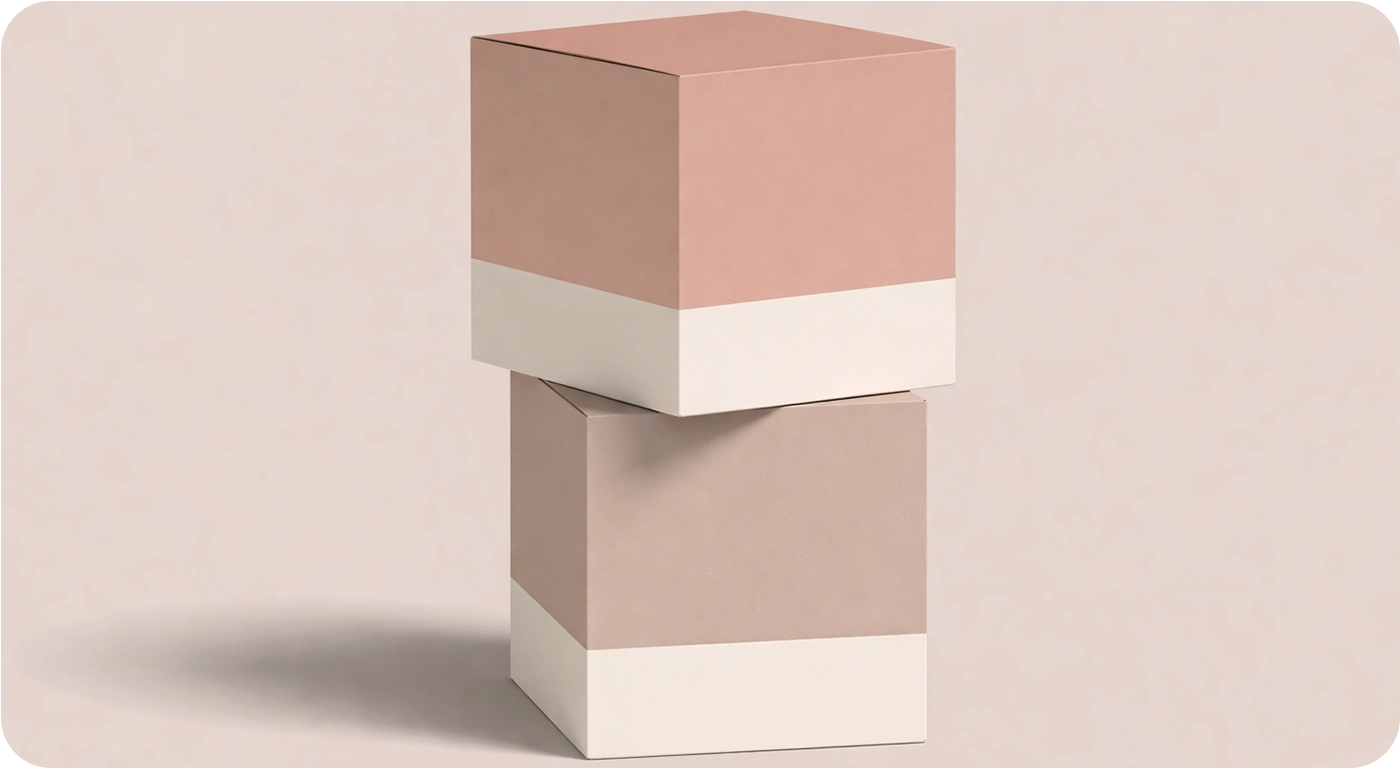
Premium buyers respond to minimal layouts, refined colours, and quality finishes. Eco-conscious customers look for kraft materials and sustainability cues. Younger audiences often prefer modern typography and bold visuals.
Packaging should communicate with the intended customer instantly, without explanation.
2. Keep the Design Clear and Focused
Simple packaging designs perform better in most markets. Crowded layouts, excessive colours, and unclear messaging reduce trust. Clean designs with readable typography, balanced spacing, and a clear product name feel more confident and established.
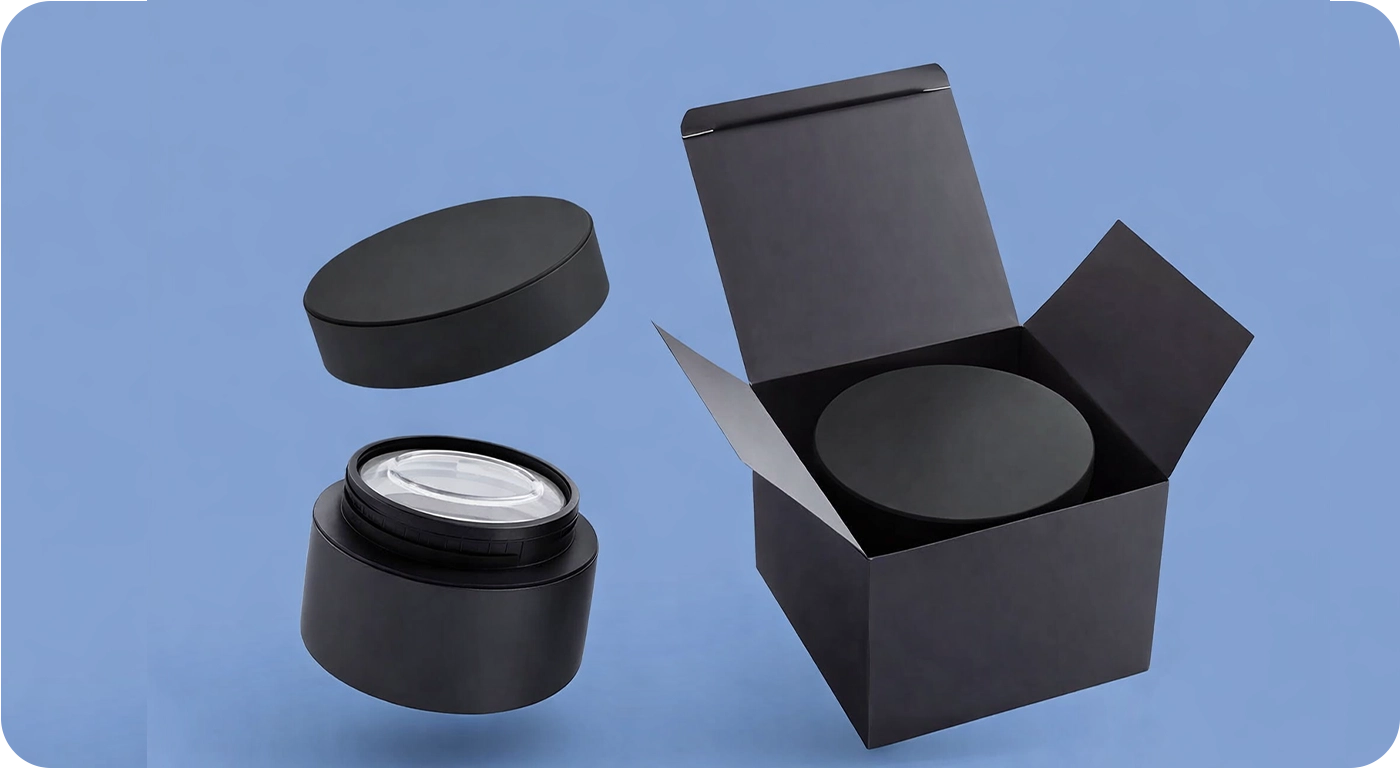
Clarity helps customers understand the product quickly and makes the brand easier to remember.
3. Prioritise Print Quality and Materials
Design only works when supported by quality printing.
Accurate colours, sharp details, and durable materials directly affect how a product is judged. Customers often associate packaging quality with product quality, especially in premium and retail environments. Finishes such as matte, gloss, or soft-touch should feel intentional and consistent across runs.
4. Maintain Brand Consistency
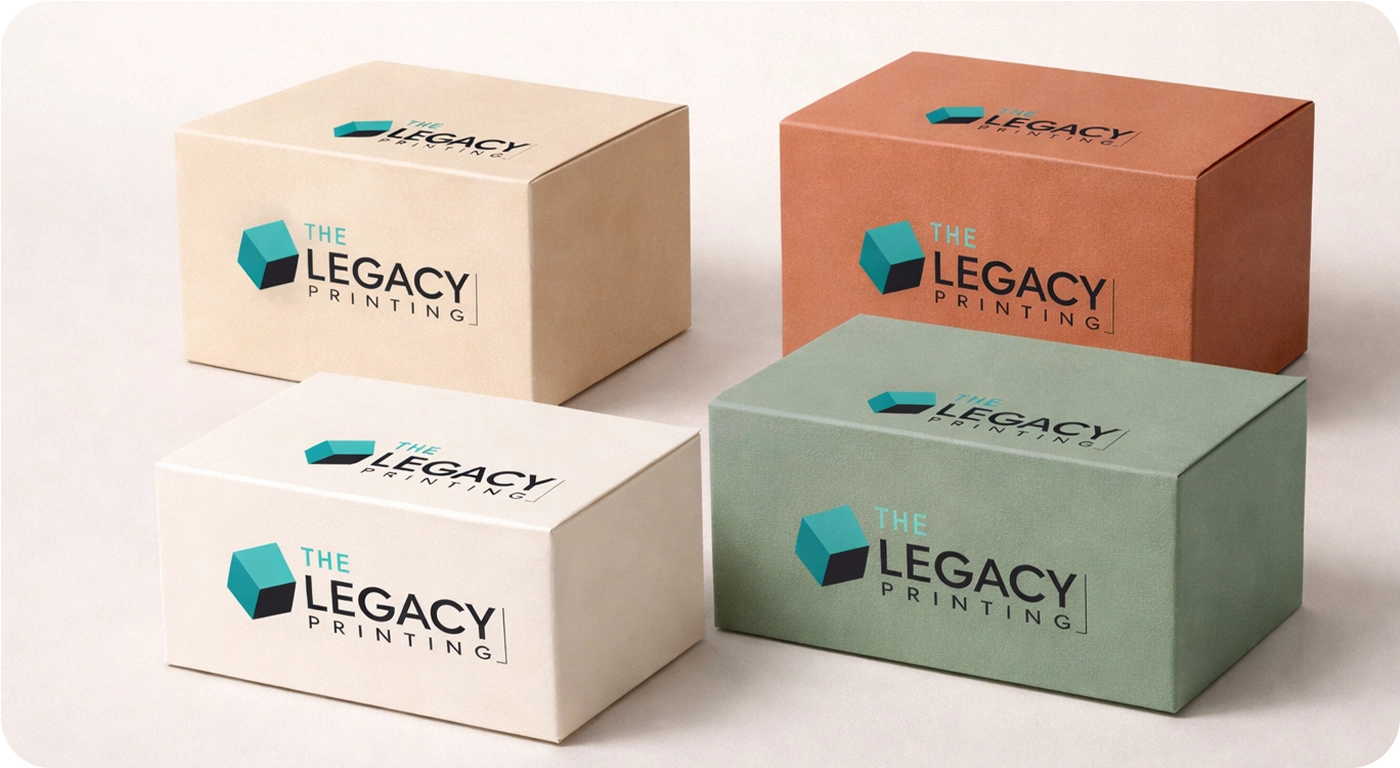
Packaging should align with your broader brand identity. Logos, colours, fonts, and tone should match your website, advertising, and social media presence. Consistency builds familiarity, and familiarity builds trust.
When packaging feels disconnected from the brand, customers notice.
5. Design for Function and Usability
Packaging must perform beyond appearance. Consider protection, ease of opening, storage efficiency, and shipping durability. Functional packaging reduces product damage, lowers return rates, and improves customer satisfaction.
Good packaging works smoothly throughout the supply chain.
6. Present Product Information Clearly
Customers value transparency.
Packaging should clearly display the product name, key features, instructions where required, and relevant material or ingredient details. Including a website or contact information further reinforces credibility.
Clear information removes uncertainty and supports confident purchasing.
7. Use Subtle Storytelling
Packaging can create connection without being overdone.A short brand message, mission statement, or thank-you note adds personality and reinforces values. These small touches help customers feel connected to the brand and encourage loyalty.
Storytelling should feel natural and genuine.
8. Incorporate Sustainable Packaging Choices
Eco-friendly packaging is now an expectation for many buyers.
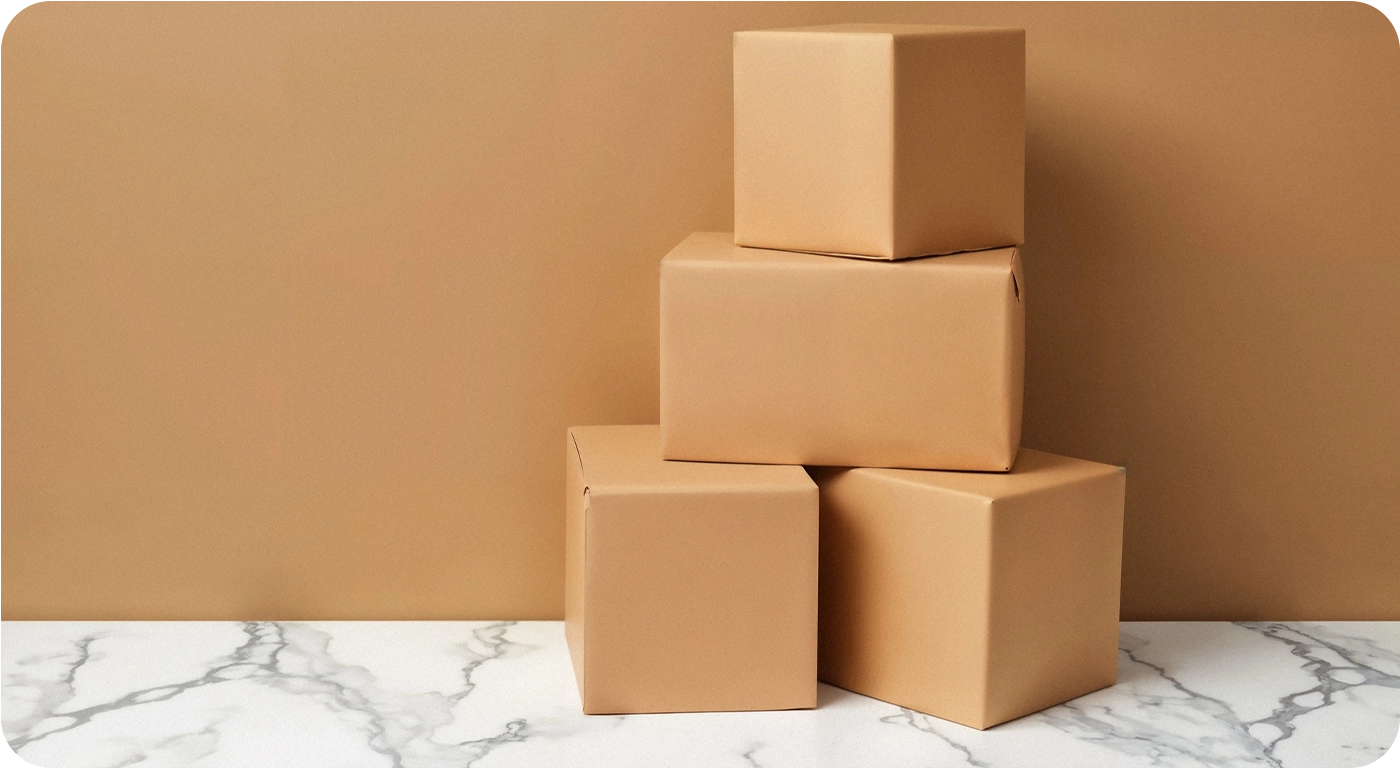
Recyclable materials, kraft packaging, and responsible production practices influence purchasing decisions. Clearly communicating sustainability efforts on packaging helps customers make informed choices. Sustainable packaging also strengthens long-term brand positioning.
9. Test Before Full Production
Testing prevents costly mistakes.
Review samples for durability, colour accuracy, and real-world handling before committing to large print runs. Small adjustments during testing protect both budget and brand reputation.
10. Choose the Right Packaging Printing Partner
An experienced packaging printer adds strategic value.
The right partner helps with material selection, print consistency, cost efficiency, and scalable production. This expertise is especially important as brands grow and volumes increase.
Working with a professional packaging provider ensures designs translate correctly into finished products.