Table of Contents
Color is one of the first things customers notice about packaging. It influences how a product feels, how premium it looks, and how easily a brand is recognized on the shelf.
That’s why choosing the correct Color mode is not just a technical decision — it directly affects print quality, consistency, and brand perception.
One of the most common questions in packaging design is whether to use RGB or CMYK. Understanding the difference early helps brands avoid costly printing errors and unexpected results.
 Where RGB Works Best
RGB is ideal for:
Where RGB Works Best
RGB is ideal for:
 Benefits of Using CMYK for Packaging
Print Accuracy and Consistency
CMYK enables consistent color reproduction across multiple print runs, which is essential for brand recognition.
Material Compatibility
CMYK printing takes into account how colors appear on different materials, including:
Benefits of Using CMYK for Packaging
Print Accuracy and Consistency
CMYK enables consistent color reproduction across multiple print runs, which is essential for brand recognition.
Material Compatibility
CMYK printing takes into account how colors appear on different materials, including:
Understanding Color Modes in Packaging Design
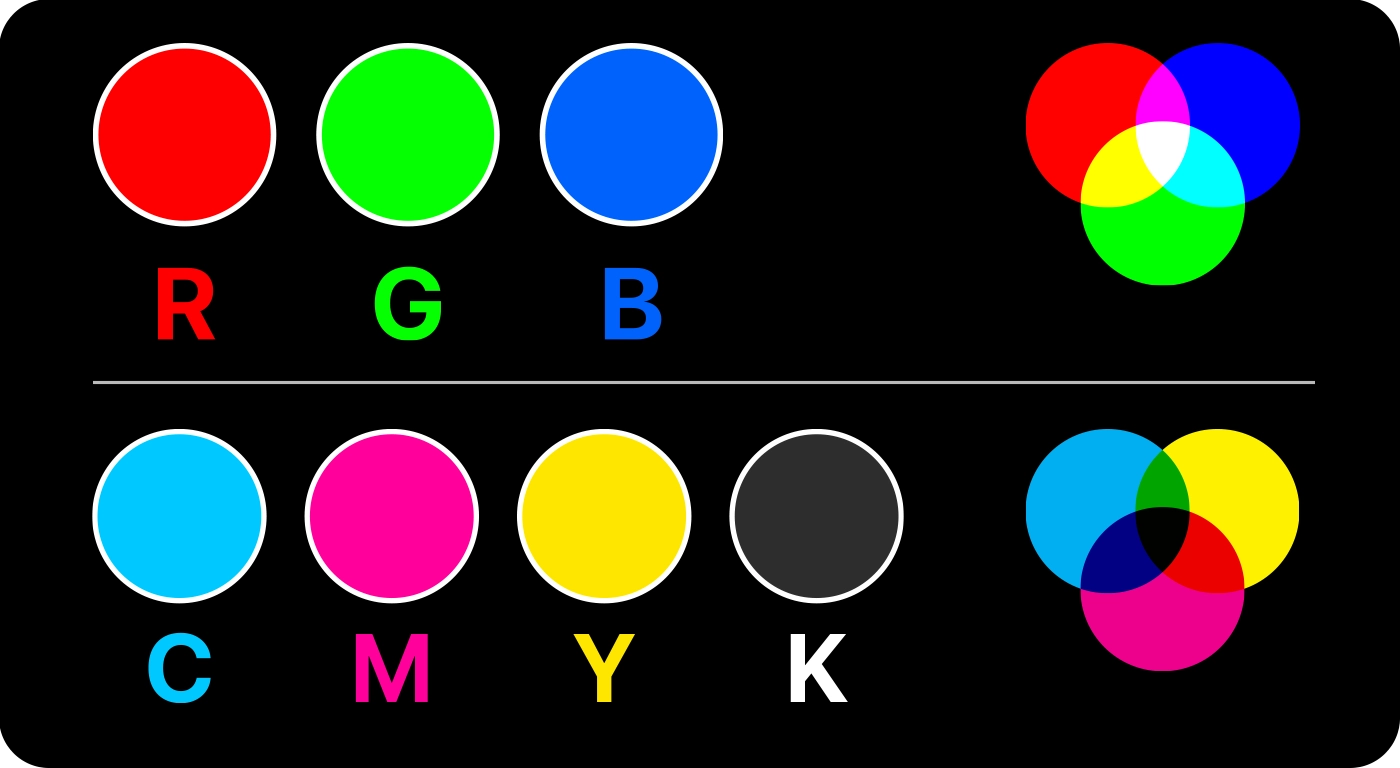
CMYK and RGB are two different color systems designed for different purposes.- RGB is created for digital screens such as phones, tablets, and monitors
- CMYK is designed for physical printing using ink
RGB Color Mode?
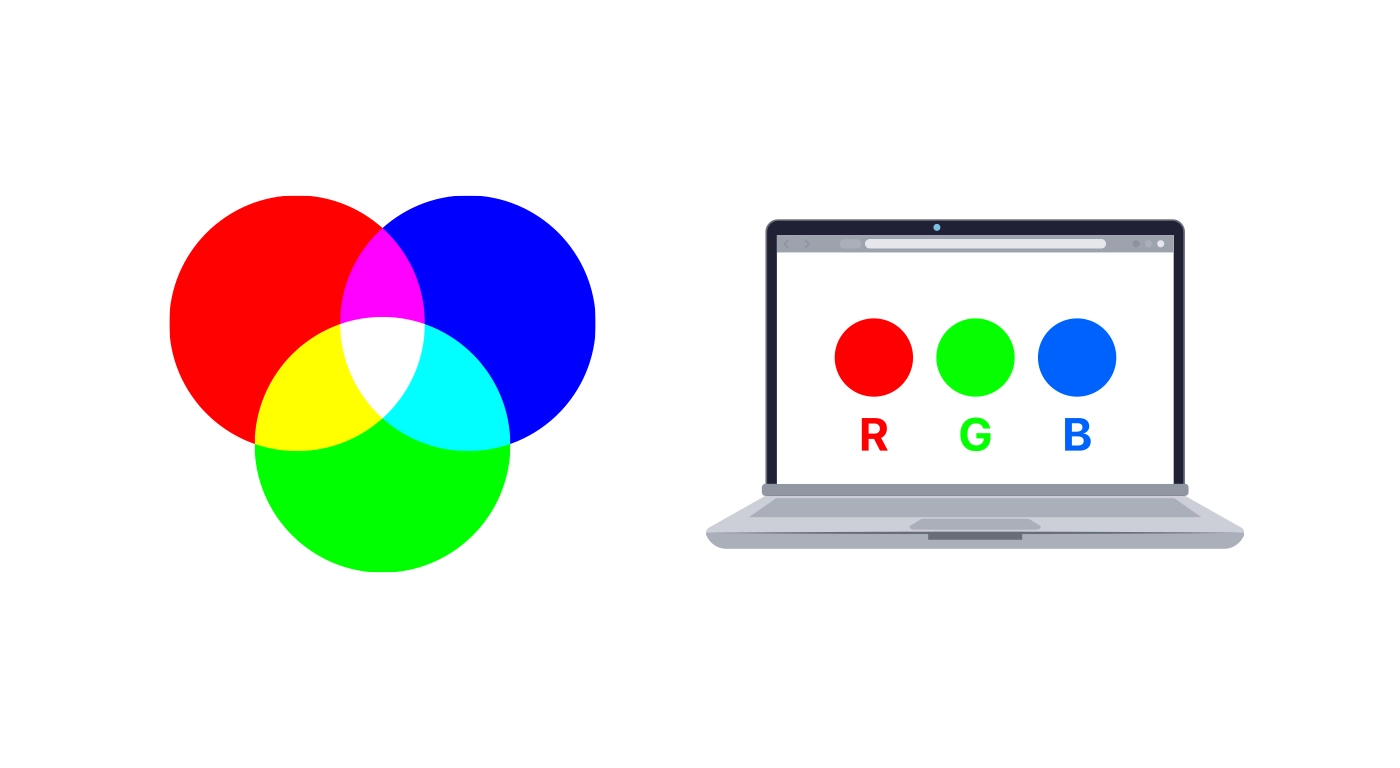
RGB stands for Red, Green, and Blue. It is an additive color model that creates colors by combining light. The more light added, the brighter and more vibrant the color appears. This allows RGB to produce bold, eye-catching colors that look impressive on digital displays.
Where RGB Works Best
RGB is ideal for:
- Websites and eCommerce platforms
- Digital advertisements
- Social media graphics
- Online product images
- Colors often lose brightness
- Some shades shift unexpectedly
- Designs may appear duller than anticipated
Benefits of Using CMYK for Packaging
Print Accuracy and Consistency
CMYK enables consistent color reproduction across multiple print runs, which is essential for brand recognition.
Material Compatibility
CMYK printing takes into account how colors appear on different materials, including:
- Coated paperboard
- Uncoated cardboard
- Kraft and recycled packaging
How Packaging Materials Affect Color
Packaging materials play a major role in how colors appear once printed. For example:- Kraft board naturally softens colors
- Uncoated surfaces absorb more ink
- Coated materials produce sharper, brighter results
- Concept visuals
- Digital mock-ups
- Marketing presentations
- Product listings
- Production runs
- Multiple suppliers
- Different regions
Common Color Mistakes in Packaging Printing
Many packaging issues result from avoidable color mistakes, including:- Submitting RGB files for print
- Ignoring material differences
- Skipping color proofing
- Poor communication between designers and printers
Choosing the Right Color Mode for Packaging
For physical packaging, CMYK is the most reliable and professional choice. While RGB remains useful for digital design and marketing, packaging artwork intended for print should always be created, reviewed, and approved in CMYK. This ensures predictable results and aligns design intent with real-world manufacturing. Working closely with an experienced packaging printer also makes it easier to fine-tune colors based on materials and print methods.