


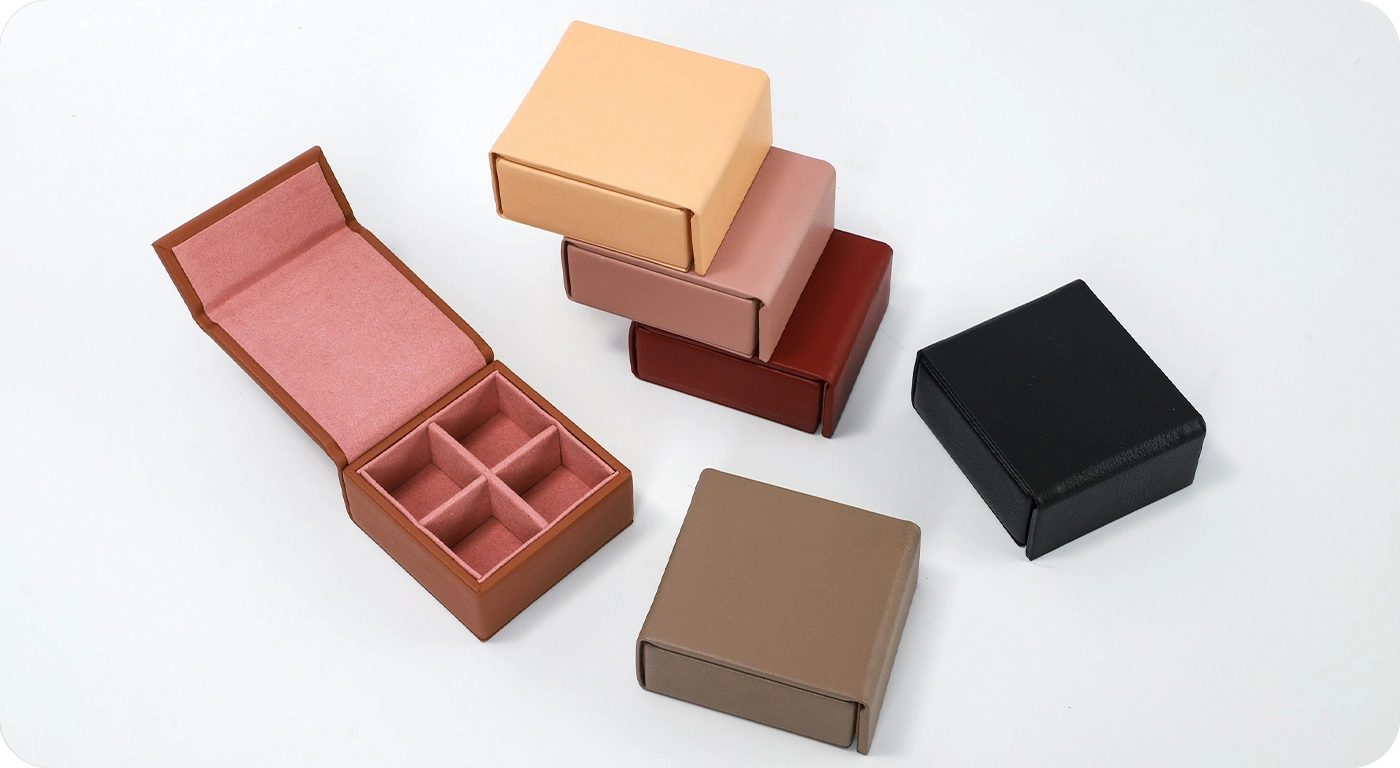
When a customer orders from your online store, the unboxing experience is the very first physical interaction they have with your brand. That plain brown cardboard box? It’s a missed opportunity.
Custom packaging does more than just protect your product; it tells your story, builds trust, and elevates your brand value on the retail shelf or a customer’s doorstep. But if you are diving into the world of custom packaging for the first time, the technical terms can feel overwhelming. Offset, digital, flexography, spot UV—what does it all mean, and which one is right for your business?
In this guide, we will break down the most popular custom box printing options in plain English so you can make the smartest, most cost-effective choice for your brand.
1. The Main Printing Methods: Which One Fits Your Budget?
Not all printing techniques are created equal. The right method depends on your design complexity, order volume, and budget.
Digital Printing (Best for Startups & Short Runs)
Think of digital printing like a giant, super-advanced version of your home inkjet printer. It transfers the design directly from a digital file onto the packaging material.
-
The Pros: No setup fees, no expensive printing plates, and lightning-fast turnaround times. It’s perfect if you want to order 50 or 100 boxes or if you have seasonal designs.
-
The Cons: The cost per box remains the same whether you print 100 or 10,000. It’s also slightly less sharp on bulk texture materials compared to offset.
Offset Printing / Lithography (The Gold Standard for Premium Quality)
Offset printing is the go-to option for retail-ready packaging. The process involves transferring ink from a metal plate onto a rubber sheet, which then presses the image onto the paper or boxboard.
-
The Pros: Unmatched, photo-quality crispness and vibrant color accuracy (using Pantone matching). Most importantly, the more you print, the cheaper it gets. * The Cons: High upfront costs because of the custom printing plates. It’s only economical for wholesale or bulk orders.
Flexography (Best for Simple Shipping Boxes)
If you’ve seen a standard Amazon box with a simple, one-color black or blue logo printed on it, you’ve seen flexography. It uses flexible relief plates to stamp simple designs onto corrugated material.
-
The Pros: Incredibly fast and very cheap for large volumes of high-speed production.
-
The Cons: Limited to basic logos and text; you cannot print high-resolution photographs or gradients with this method.
2. Elevate Your Packaging: Popular Finishes & Add-ons
Once your base design is printed, the finishing coat defines how the box feels in your customer’s hands. Here are the options that can take your box from “ordinary” to “luxury.”
-
Matte Lamination: Gives a smooth, non-reflective, and velvety texture. It looks highly sophisticated and modern, making it a favorite for cosmetics and tech products.
-
Gloss Lamination: Makes colors pop with a shiny, reflective finish. It’s highly durable and resists moisture and fingerprints, which is great for retail displays.
-
Spot UV / Spot Gloss: Imagine a matte box, but your logo is shiny and catches the light when you tilt it. That’s Spot UV. It creates a beautiful tactile contrast that screams premium.
-
Foil Stamping: Using heat and pressure, a thin metallic foil (usually gold, silver, or rose gold) is pressed into the box. It’s perfect for luxury, jewelry, or high-end gift packaging.
-
Embossing & Debossing: If you want your customers to feel your logo, this is it. Embossing raises the design above the box surface, while debossing presses it down.
3. Choosing the Right Material for Your Printing Choice
Your printing method needs to match your box material.
-
Cardstock / Kraft Paper: Ideal for high-end digital and offset printing. Kraft gives that beautiful eco-friendly, organic vibe, while white SBS cardstock allows vivid, colorful graphics.
-
Corrugated Cardboard: If you are printing shipping or mailer boxes, corrugated is essential for strength. Offset printing can be laminated onto corrugated boxes (Litho-lamination) to give you shipping boxes with premium retail graphics.
4. How to Choose the Right Strategy for Your Brand
To pick the absolute best printing option, ask yourself these three quick questions:
-
What is my order volume? If you are testing a product with less than 500 boxes, go with Digital. If you are ordering thousands of retail boxes, choose Offset.
-
What does the design look like? Is it a simple logo? Go with Flexography or simple Digital. Is it a complex artwork with multiple gradients? Offset is your best friend.
-
What is my industry standard? Luxury goods, subscription boxes, and cosmetics usually require premium finishes like Matte Lamination and Spot UV to compete on the market.
Let’s Bring Your Packaging Vision to Life
You don’t have to figure this out alone. At The Legacy Printing, we specialize in helping brands across the USA design and manufacture the perfect custom boxes tailored to their exact needs. Whether you need eco-friendly Kraft mailers or high-end rigid luxury boxes, our packaging experts provide free design support and fast turnarounds to make the process effortless.
Ready to elevate your brand? Get a free custom quote today!


