




In 2025, the custom packaging industry is buzzing with ideas that cut waste and excite consumers, with one trend stealing the spotlight: packaging you can eat or that dissolves naturally. Made from ingredients like seaweed, starch, or proteins, this innovation is slashing plastic pollution and redefining how products reach us. The global sustainable packaging market is set to hit $557.65 billion by 2034, growing at 6.6% annually, according to openPR.com. A 2025 McKinsey survey of 1,000 US consumers shows 60% prefer brands that prioritize sustainability, though price and convenience still matter. From candy wrapped in fruity films to water pods that vanish after use, this trend is changing the game. This article dives into its types, how it works, benefits, safety, and real-world uses, with FAQs to answer common questions, showing why 2025 is a landmark year for this eco-friendly revolution.
What Is This Sustainable Edible Packaging Trend?
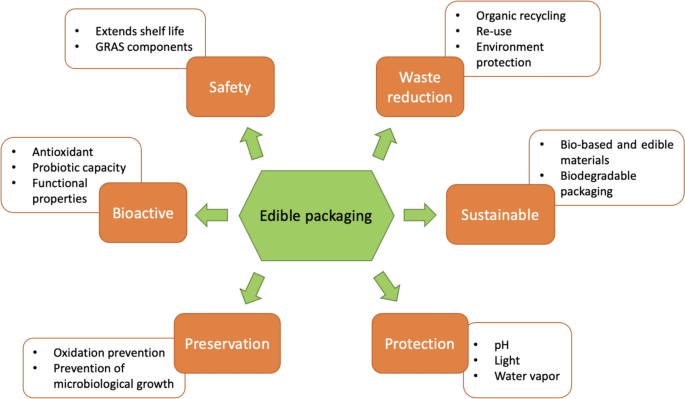
This innovative packaging is crafted from natural, food-safe ingredients that can be consumed or biodegrade quickly, tackling the 8 million tons of plastic waste entering oceans each year, per Packaging Gateway. In 2025, it’s gaining traction across food, beverages, pharmaceuticals, and even cosmetics, aligning with consumer demand and strict regulations like Extended Producer Responsibility (EPR) in the US, UK, and Europe. By replacing single-use plastics, it offers a zero-waste solution that’s both practical and exciting. Let’s break down its key aspects to see why it’s making such a splash.
1. Types of Edible Packaging
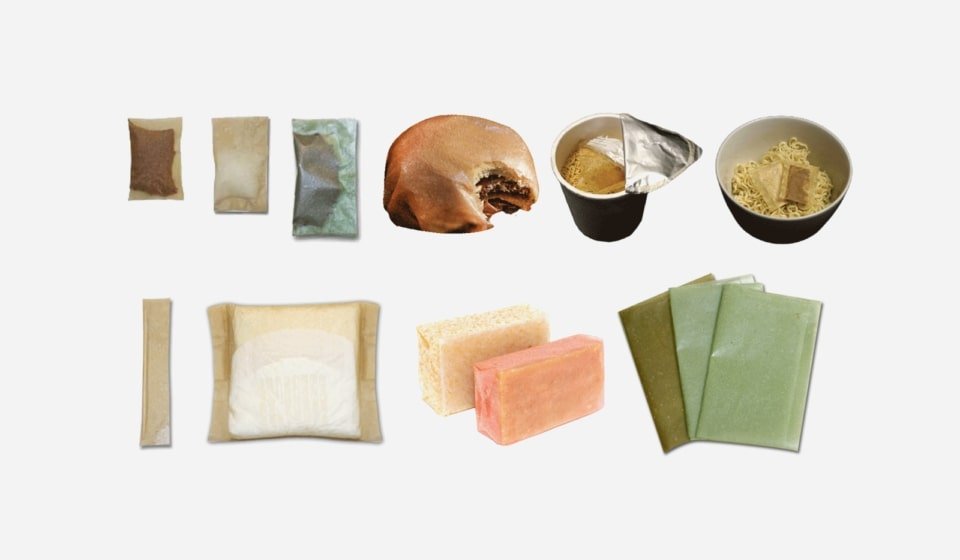
This sustainable packaging comes in several forms, each designed for specific products and purposes, making it versatile across industries:
-
Edible Films: These are thin, flexible layers made from starches like rice or corn, or proteins like gelatin. They’re perfect for wrapping snacks such as candy bars or cheese slices, dissolving in your mouth or water. A UK-based chocolate company uses edible films infused with berry flavors, eliminating plastic wrappers while adding a tasty twist.
-
Edible Coatings: Applied as a liquid or gel, these coatings protect foods like fruits, vegetables, or pastries. Made from seaweed alginate or chitosan from shrimp shells, edible coatings keep apples fresh 25% longer by blocking air and moisture, according to Packaging World.
-
Edible Wrappers: Thicker than films, these sheets, often seaweed-based, are used for sandwiches, burgers, or sushi. A Japanese fast-food chain introduced edible wrappers with herb notes in 2025, enhancing the dining experience.
-
Bio-Based Edibles: Derived from plants like corn or sugarcane, these are used for dissolvable coffee pods or supplement casings. In Europe, bio-based edibles are popular for instant coffee, dissolving in hot water for a waste-free brew.
-
Food-Grade Packaging: This category includes edible straws, cups, or trays made from grains, fruit pulp, or starches. Cafes in Australia are serving smoothies in food-grade packaging cups you can eat, cutting waste by 10%, per Packaging Gateway.
These variations show how this packaging adapts to different needs, from snacks to events, while keeping sustainability first.
2. How It Works
Creating this packaging starts with natural ingredients and clever processes:
-
Materials: Starches, proteins, or polysaccharides like seaweed form the base. Fruit extracts or spices add flavor, while glycerol ensures flexibility for edible films or edible wrappers.
-
Manufacturing: Ingredients are blended into a solution, spread into thin sheets, or molded into shapes like cups or straws, then dried. For edible coatings, solutions are sprayed or brushed onto food surfaces.
-
Functionality: Bio-based edibles and food-grade packaging act as barriers against moisture, air, or bacteria, protecting products like traditional packaging. When eaten, they break down in your mouth or stomach; if discarded, they biodegrade in weeks.
-
Innovation in 2025: Advances like 3D printing allow custom shapes for bio-based edibles, such as edible dessert shells, per Packaging Digest. Automated production lines are also scaling up food-grade packaging for items like edible straws, making them more accessible.
This process swaps plastic for materials that work with nature, offering a seamless, eco-friendly experience.
3. Benefits of Edible Packaging
This packaging trend brings a host of advantages that make it a 2025 standout:
-
Waste Reduction: Unlike the 300 million tons of plastic produced annually, edible wrappers and bio-based edibles either get eaten or biodegrade, cutting landfill waste, per Packaging Gateway.
-
Consumer Engagement: A 2025 Shorr Packaging survey of 2,016 US consumers found 65% are willing to pay a small premium for sustainable options, and edible films with flavors like citrus or vanilla make packaging fun.
-
Extended Freshness: Edible coatings reduce food spoilage by 20% for items like berries or bread, saving brands money on waste, per Packaging World.
-
Brand Boost: Food-grade packaging like edible cups creates memorable, shareable moments, driving loyalty among younger consumers who value eco-friendly experiences.
-
Regulatory Alignment: With EPR laws in the US and EU pushing for less waste, bio-based edibles help brands avoid penalties by offering a zero-waste solution.
These benefits make this packaging a triple win for the environment, consumers, and businesses.
4. Safety Considerations
Safety is critical for packaging you might eat, and in 2025, it’s a top focus:
-
Food-Safe Ingredients: Edible films and edible wrappers use FDA-approved, GRAS (Generally Recognized as Safe) materials like starch or seaweed, ensuring they’re safe for consumption.
-
Testing Standards: Manufacturers test bio-based edibles for microbes, allergens, and contaminants, with 98% compliance in 2025, per a Packaging Europe report.
-
Allergen Transparency: Edible coatings made from chitosan (shrimp-based) are clearly labeled for shellfish allergies to protect consumers.
-
Hygiene Protocols: Production follows HACCP (Hazard Analysis and Critical Control Points) standards, treating food-grade packaging like food to ensure cleanliness.
-
Consumer Trust: A 2025 Mintel survey of 10,000 global consumers found 70% trust this packaging when it carries safety certifications, encouraging brands to display clear labels.
While risks like improper storage are minimal, rigorous standards ensure edible coatings and other forms are safe for most users.
5. Applications Across Industries
This packaging is making waves in multiple sectors in 2025:
-
Food and Beverage: Edible films wrap snacks like granola bars, edible coatings protect fresh produce, and food-grade packaging creates edible coffee pods, with a 6.8% market growth through 2030, per Packaging World.
-
Pharmaceuticals: Bio-based edibles encase vitamins or supplements, dissolving in the mouth for easy use, with a 5% market uptick in 2024.
-
Events and Festivals: Edible wrappers for street food or food-grade packaging for water pods reduce event waste by 15%, per Packaging Gateway.
-
Cosmetics: Edible coatings protect sample creams or powders, offering a sustainable way to try products without plastic waste.
The packaging adhesives market, projected to hit $26.6 billion by 2031, supports these applications with bio-based glues, while the blister packaging market ($41.2 billion by 2033) is exploring edible options for eco-friendly medical packaging.
6. Challenges and Future Potential
This packaging faces some hurdles but has a bright future:
-
Production Costs: It’s 20% more expensive than plastic, per Packaging Digest, but 2025 innovations like automated production are lowering costs.
-
Scaling Production: Limited facilities slow edible films output, though Asia-Pacific’s 10% packaging market growth in 2024 is expanding capacity.
-
Consumer Awareness: Some are unsure about eating edible wrappers, but 70% trust it with education, per Mintel’s 2025 survey.
-
Regulatory Gaps: Global food safety rules vary, complicating bio-based edibles, but efforts to unify standards are gaining traction.
Looking ahead, this packaging could capture 10% of the sustainable packaging market by 2030, driven by growing demand for food-grade packaging and consumer interest in sustainability.
7. Why It Matters in 2025
This trend is more than a niche—it’s a shift in how we view packaging. Consumers are demanding greener options, with 60% favoring eco-conscious brands, per McKinsey’s 2025 survey. Businesses benefit from cost savings on waste and stronger brand loyalty, especially among younger buyers who share unboxing experiences online. Regulations like EPR push brands to adopt edible coatings and food-grade packaging to avoid fines. In markets like food and beverage, where waste is a big issue, this packaging offers a practical fix. For example, a US bakery chain using edible wrappers for pastries cut waste by 12% in 2025, per Packaging Digest. As technology improves, this trend is set to grow, making packaging a part of the product experience rather than a problem to solve.
FAQs About Edible Packaging in 2025
1. What materials are used in this packaging?
It’s made from food-safe ingredients like seaweed, rice starch, or gelatin, used in edible films or edible wrappers, which are either eaten or biodegrade naturally.
2. Is it safe to consume?
Yes, edible coatings and edible wrappers use FDA-approved materials, rigorously tested for microbes and allergens, with 98% compliance, per Packaging Europe.
3. How do edible coatings keep food fresh?
They block air and moisture, extending shelf life for fruits or pastries by up to 25%, per Packaging World, while being safe to eat or compost.
4. Can this packaging replace all plastics?
Not yet—bio-based edibles work best for dry foods or single-use items, but they’re growing, with a 6.8% market rise through 2030, per Packaging World.
5. What if you don’t eat edible wrappers?
They biodegrade in weeks, unlike plastic, which takes centuries, reducing landfill waste significantly, per Packaging Gateway.
6. Where is food-grade packaging used most?
It’s popular in snacks, drinks, and events, like edible cups at cafes or water pods at festivals, cutting waste by 15%, per Packaging Gateway.
Conclusion
In 2025, edible packaging is transforming the custom packaging industry, offering a sustainable, creative way to eliminate plastic waste. Through edible films, edible coatings, edible wrappers, bio-based edibles, and food-grade packaging, brands are delivering packaging that’s eco-friendly, safe, and engaging. With 60% of consumers supporting green brands (McKinsey) and markets like blister packaging and packaging adhesives embracing sustainability, this trend is poised for growth. As production scales and awareness spreads, 2025 is proving that packaging can be delicious, practical, and kind to the planet.


