


Polystyrene foam, commonly branded as Styrofoam, is a significant environmental pollutant, prompting stringent bans across California, 12 U.S. states, and international regions like the EU and Nigeria’s Lagos state. California’s SB 54, effective January 1, 2025, targets expanded polystyrene (EPS) due to its <1% recycling rate polystyrene foam contributes to microplastic pollution, which forms part of the 33 billion pounds of plastic entering oceans annually. Enforcement challenges persist, with CalRecycle’s April 2025 bulletin offering vague guidance, creating compliance uncertainty for businesses. For restaurants, cafes, and retailers, this underscores the need to adopt eco-friendly packaging that ensures regulatory compliance, optimizes costs, and aligns with consumer preferences—78% of U.S. voters support foam reduction policies.
The Urgency of Polystyrene Foam Bans
Polystyrene foam persists in landfills for centuries, breaks into microplastics that harm wildlife, and contains styrene, classified as a probable carcinogen by the International Agency for Research on Cancer. In California, Polystyrene foam accounts for 15% of storm drain litter, conflicting with SB 54’s target of a 25% plastic recycling rate by 2032. Polystyrene foam Bans in Nigeria, Australia, the EU, and over 250 U.S. cities highlight global efforts to address plastic pollution.
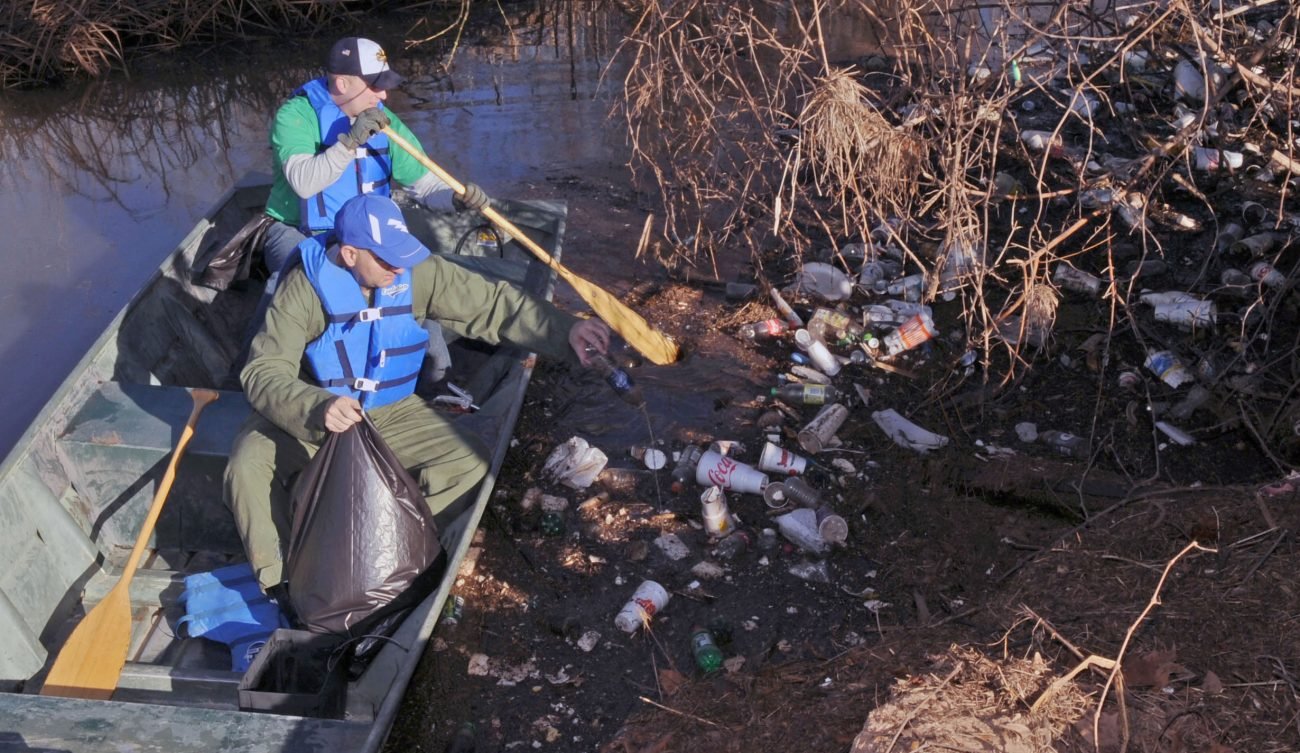
For businesses, California’s penalties of $50,000 per day necessitate immediate action, despite vague enforcement guidance from CalRecycle’s April 2025 bulletin. Sustainable packaging meets consumer demand, with 86% of Californians preferring eco-friendly brands. Nissin Foods USA’s shift to shift from polystyrene foam to fiber cups improved customer loyalty, illustrating market advantages. This guide provides technical specifications, supplier strategies, and tools to navigate regulations effectively.
Seven Eco-Friendly Alternatives to Polystyrene Foam
1. Bagasse (Sugarcane Fiber)
Bagasse, derived from sugarcane juice extraction byproducts, transforms agricultural waste into durable, compostable packaging to replace polystyrene foam through a low-energy process. Suitable for small cafes serving sandwiches or large restaurants handling takeout, bagasse complies with SB 54’s compostability standards and supports global initiatives like the UN’s 2025 plastic treaty. Its rustic aesthetic appeals to the 86% of Californians favoring eco-friendly brands, reducing environmental impact and enhancing brand image.
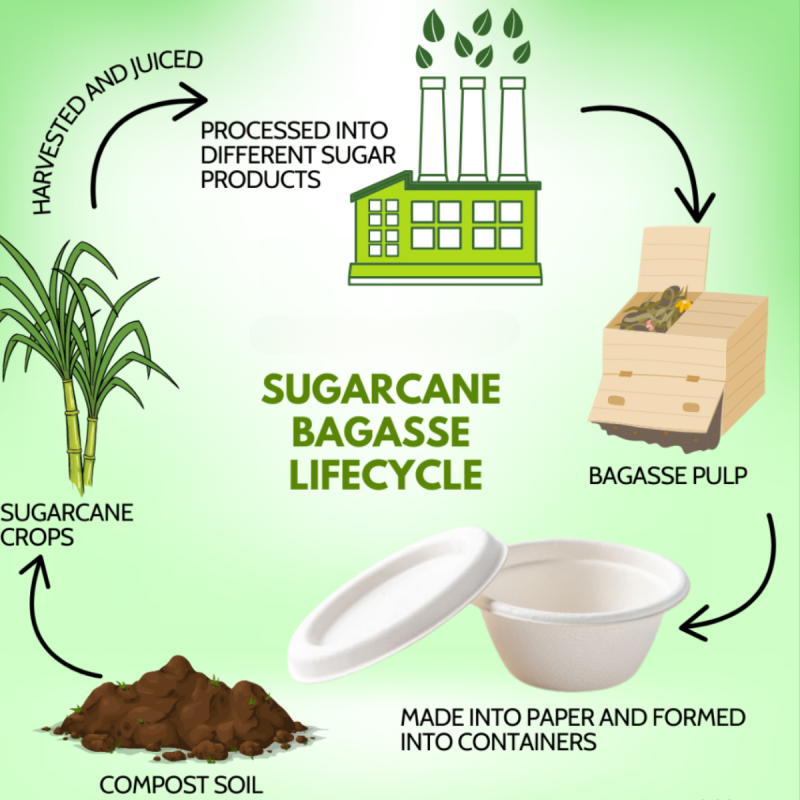
Bagasse’s fibrous structure, weighing 0.5-1 oz. per clamshell, offers thermal resistance up to 200°F and grease resistance per ASTM D6868. It supports 2-3 lbs. of hot soups (180°F), cold salads (40°F), or greasy foods, with a stackable design saving 20% storage space compared to EPS. Decomposing in industrial compost within 60-90 days, it reduces landfill waste by 90% versus polystyrene foam’s centuries-long persistence. Certifications include BPI and ASTM D6400, ensuring SB 54 compliance.
Bagasse requires industrial composting facilities, unavailable for home composting due to temperature needs. World Centric (California, 5-7 day delivery) and Bioleader (U.S., 2-3 weeks, 10-15% bulk discounts) are key suppliers. California businesses benefit from World Centric’s local distribution, while Midwest retailers use Bioleader for cost savings. Lead times range from 5-15 days; order 4-6 weeks ahead for peak seasons. Costs are $0.10-$0.15 per unit, 20-30% above EPS ($0.08), but bulk orders and Green Business Program incentives save 10-15%. Industrial composting at California’s 150 facilities is required, with signage (e.g., “Compost Only”) needed in rural areas to prevent landfill disposal.
Bagasse is used in small cafes for clamshell sandwich containers, bowls for salads, and side cups, in large restaurants for buffet trays and takeout containers, and in retail for deli containers holding pasta or meats. A Los Angeles food truck specializing in tacos transitioned to bagasse clamshells, replacing Styrofoam in early 2025. Signage and staff training addressed customer composting confusion, reducing waste by 20% in three months. In-store promotions increased customer inquiries by 10%, driving a 12% foot traffic increase.
2. Molded Pulp
Molded pulp, made from recycled paper or cardboard via an energy-efficient pulping process, offers compostable and recyclable packaging to replace polystyrene foam. Ideal for small cafes needing lightweight pastry trays or retailers packaging produce or electronics, it supports SB 54’s circular economy goals and meets consumer demand for sustainable packaging, enhancing operational flexibility and brand image.
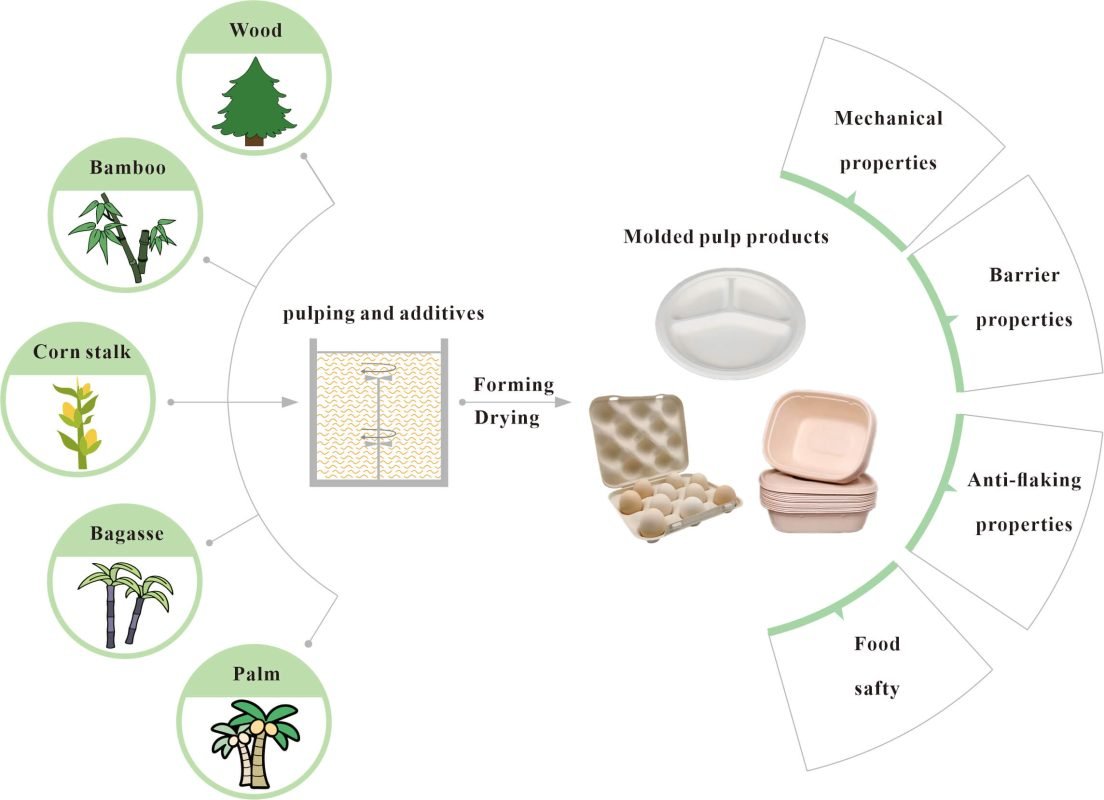
Weighing 0.6-1.2 oz per tray, molded pulp provides thermal resistance up to 180°F and moderate grease resistance (ASTM D6868 with coatings). It holds 1-2 lbs of dry or lightly greasy foods like sandwiches or pastries but is less suitable for heavy liquids. It reduces landfill waste by 85% compared to EPS, using 30% less production energy, and carries ASTM D6400 and SB 54 certifications. Molded pulp is compostable in industrial facilities or recyclable in paper streams.
Eco-Products (U.S., 1-2 weeks) and Green Living Packaging (California, 5-10% bulk savings) are primary suppliers. West Coast businesses use Green Living’s local distribution; East Coast retailers source from Eco-Products. Lead times are 1-3 weeks, with custom molds adding 2 weeks. Costs range from $0.09-$0.12 per unit, 15-25% above EPS, with bulk savings. Disposal involves composting or recycling in California’s paper programs, requiring minimal customer education.
Molded pulp is applied in cafes for pastry trays and side containers like fries, and in retail for produce, bakery goods, or electronics packaging. A San Francisco grocer replaced polystyrene foam meat trays with molded pulp in Q1 2025. A 10% bulk discount from Eco-Products and staff training on recyclability reduced waste by 15% in four months. Customer feedback increased deli sales by 5% and in-store engagement by 8%.
3. PLA (Polylactic Acid)
PLA, a plant-based plastic from corn or sugarcane fermentation, provides compostable packaging with a 50% lower carbon footprint than polystyrene foam. Its transparent design suits cafes serving iced beverages or retailers offering cold foods like salads. Meeting SB 54’s compostability standards and demand for PFAS-free packaging, PLA appeals to eco-conscious customers, improving product visibility and loyalty.
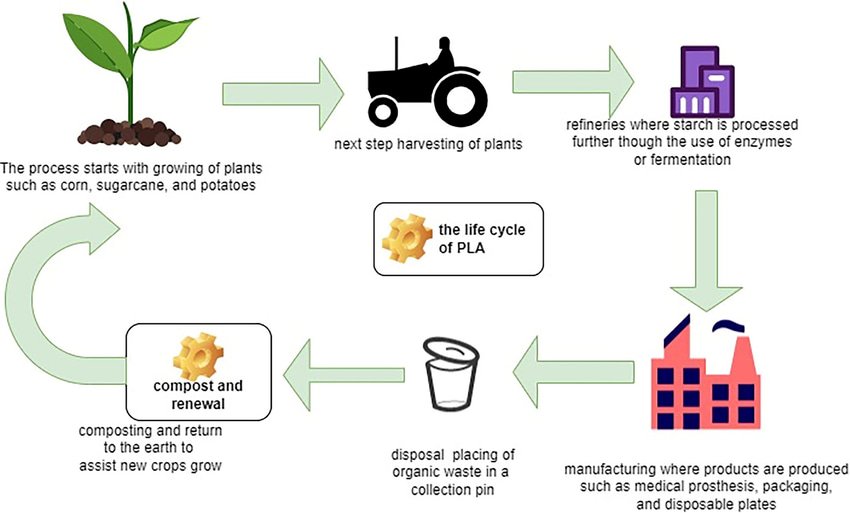
PLA’s transparent structure, weighing 0.4-0.8 oz per cup, offers thermal resistance up to 120°F but lacks grease resistance. It holds 1-1.5 lbs of cold items like iced coffee or salads, becoming brittle above 120°F, making it unsuitable for hot foods. Composting in 90-120 days in industrial facilities, it reduces carbon emissions by 50% compared to EPS. Certifications include BPI, PFAS-free, and SB 54 compliance.
PLA requires industrial composting, not home composting. Bioleader (U.S., 2-3 weeks) and Vegware (California, 10% bulk discounts) are key suppliers. California cafes use Vegware for quick delivery; national chains use Bioleader. Lead times are 2-4 weeks; order early for summer. Costs are $0.12-$0.18 per unit, 30-50% above EPS, with a 10% price drop in 2024. Signage prevents landfill disposal due to limited composting facilities.
PLA is used in cafes for iced drink cups and salad containers, and in retail for yogurt or fruit containers. A San Diego café adopted PLA cups, replacing EPS for iced drinks in February 2025. Partnering with Vegware resolved supply delays, and staff training educated customers on composting. Repeat customers increased by 10% over three months, with in-store posters driving a 15% rise in sustainability inquiries.
4. Bamboo
Bamboo, harvested from fast-growing stalks renewable in 3-5 years, produces compostable packaging with a premium aesthetic. Suitable for upscale restaurants offering takeout or retailers packaging gourmet products like cheeses, it aligns with SB 54 and global sustainability goals, meeting the 86% consumer preference for eco-friendly brands and differentiating through high-end branding.
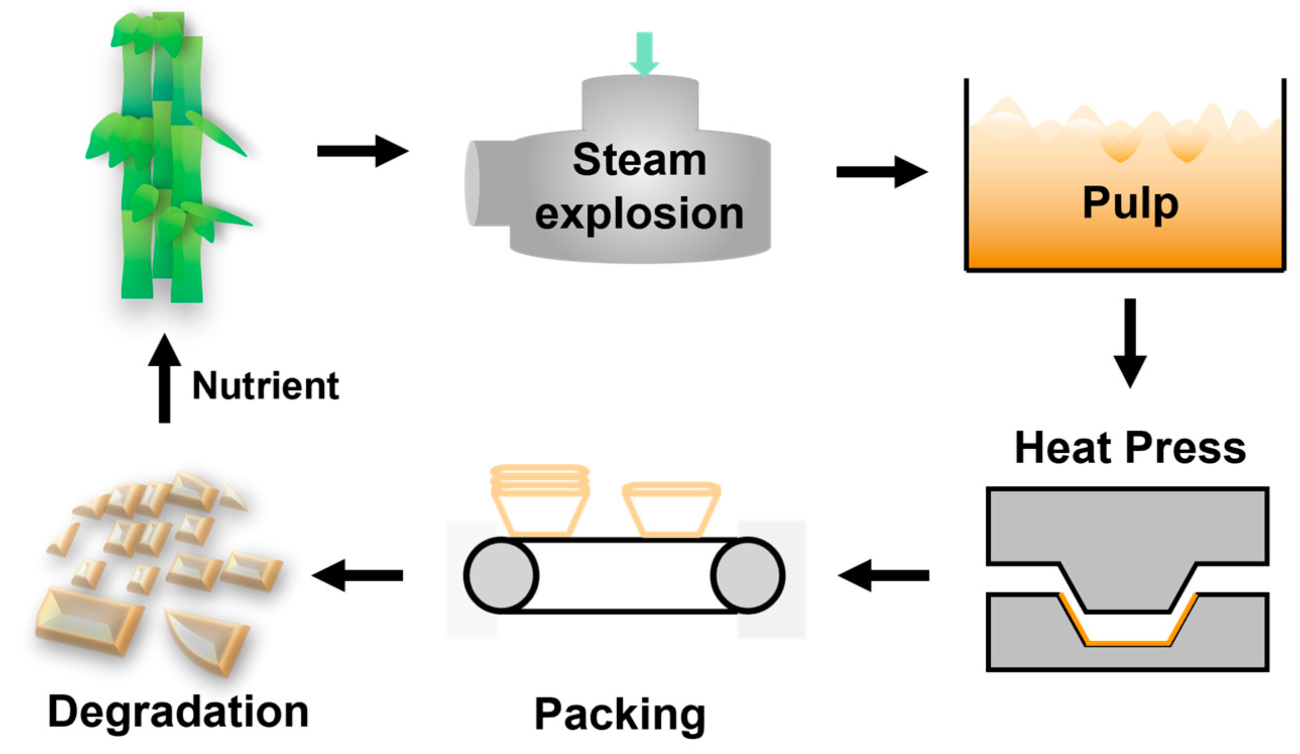
Bamboo’s dense structure, weighing 0.8-1.5 oz per container, provides thermal resistance up to 200°F and high grease resistance. It supports 2-3 lbs of heavy foods like rice bowls or burgers, with a smooth texture enhancing premium appeal. Reducing landfill waste by 70%, it regrows in 3-5 years and carries TÜV OK Compost and SB 54 certifications.
Bamboo requires industrial composting. Bambu (U.S., 2-4 weeks) and Eco Bamboo (California, 15% bulk savings) are suppliers. West Coast businesses use Eco Bamboo; national retailers opt for Bambu. Lead times are 2-5 weeks; ensure FSC certification. Costs are $0.11-$0.16 per unit, 25-40% above EPS, offset by premium branding. Signage prevents landfill disposal.
Bamboo is used in restaurants for fine dining trays and takeout bowls like sushi, and in retail for gourmet food or gift set packaging. A Sacramento bistro switched to bamboo trays in March 2025. A 5% price adjustment and in-store poster campaign offset higher costs. Staff training ensured composting instructions, reducing waste by 15%. Customer feedback increased by 20%, boosting sales by 8% over two months.
5. Recyclable PET Plastic
PET, made from recycled or virgin polyethylene terephthalate, offers recyclable, cost-effective packaging with a robust recycling infrastructure surpassing polystyrene foam. Ideal for fast-casual restaurants needing takeout clamshells or retailers packaging deli items, its 30% recycling rate in California surpasses EPS’s less than 1%, aligning with SB 54’s circular economy goals.
PET’s structure, weighing 0.5-1 oz per clamshell, provides thermal resistance up to 140°F and grease resistance. It holds 2-3 lbs of hot or cold foods, less brittle than PLA. Certified as recyclable per SB 54, it reduces waste significantly. Dart Container (U.S., 1-2 weeks) and Pactiv Evergreen (California, 10% bulk discounts) are suppliers. Nationwide availability ensures 1-2 week lead times. Costs are $0.08-$0.10 per unit, comparable to EPS. PET is recyclable in California programs; customers must ensure cleanliness.
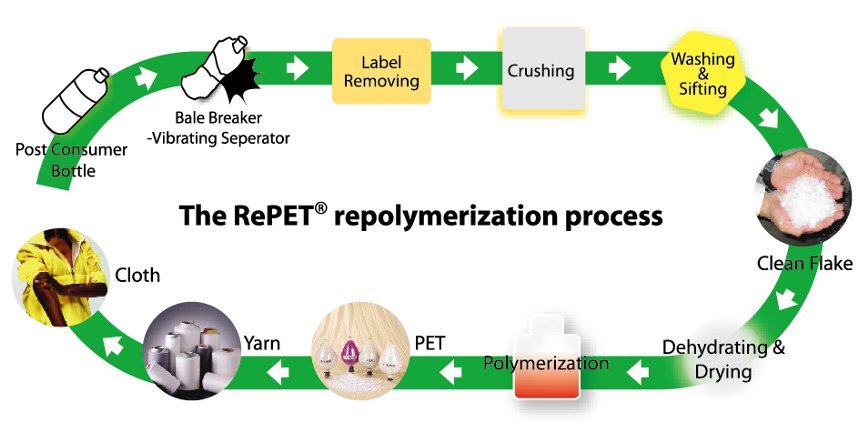
PET is used in restaurants for burger clamshells and drink cups, and in retail for sandwich or pasta deli containers. A California fast-food chain adopted PET clamshells in January 2025. Dart Container’s rapid delivery and staff training on recyclability ensured compliance. Signage reduced contamination by 20%, and in-store promotions increased engagement by 10%, maintaining sales volume.
6. Mushroom Packaging
Mushroom packaging, grown from mycelium and agricultural waste in low-energy molds, provides biodegradable packaging for retail and e-commerce, replacing foam for fragile goods like cosmetics or electronics. Its low-energy production aligns with SB 54 and global sustainability initiatives, with a 15% demand increase in 2024 enhancing brand credibility.
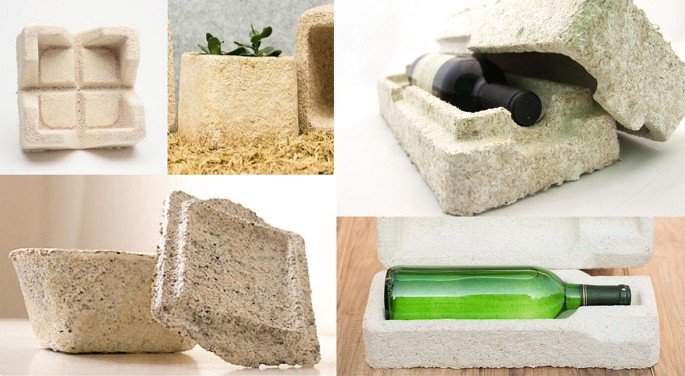
Ultra-light at 0.3-0.7 oz per unit, it offers shock absorption and thermal resistance up to 150°F, replacing foam packing peanuts but unsuitable for food containers. Biodegradable in 30-45 days, it reduces waste by 95% and is compostable, exceeding SB 54 standards. Ecovative (U.S., 3-4 weeks) and Magical Mushroom (California, limited supply) are suppliers. West Coast businesses prioritize Ecovative; lead times are 3-5 weeks. Costs are $0.15-$0.20 per unit, 50-70% above EPS, with declining prices. It supports home or industrial composting or biodegrades in landfills.
Mushroom packaging is used in retail for electronics or cosmetics protection and in e-commerce for fragile shipments like wine. An Oakland e-retailer adopted it, replacing Styrofoam for cosmetics in April 2025. A 10% Ecovative discount and in-store display campaign mitigated costs. Composting education reduced waste by 25%, and media coverage boosted sales by 12% over three months.
7. Paperboard
Paperboard, produced from recycled or virgin paper via pulping and pressing, offers recyclable and compostable packaging using 30% less energy than EPS. Suitable for cafes needing food boxes or retailers creating bakery displays, its 12% adoption increase in 2024 aligns with SB 54’s circular economy goals.
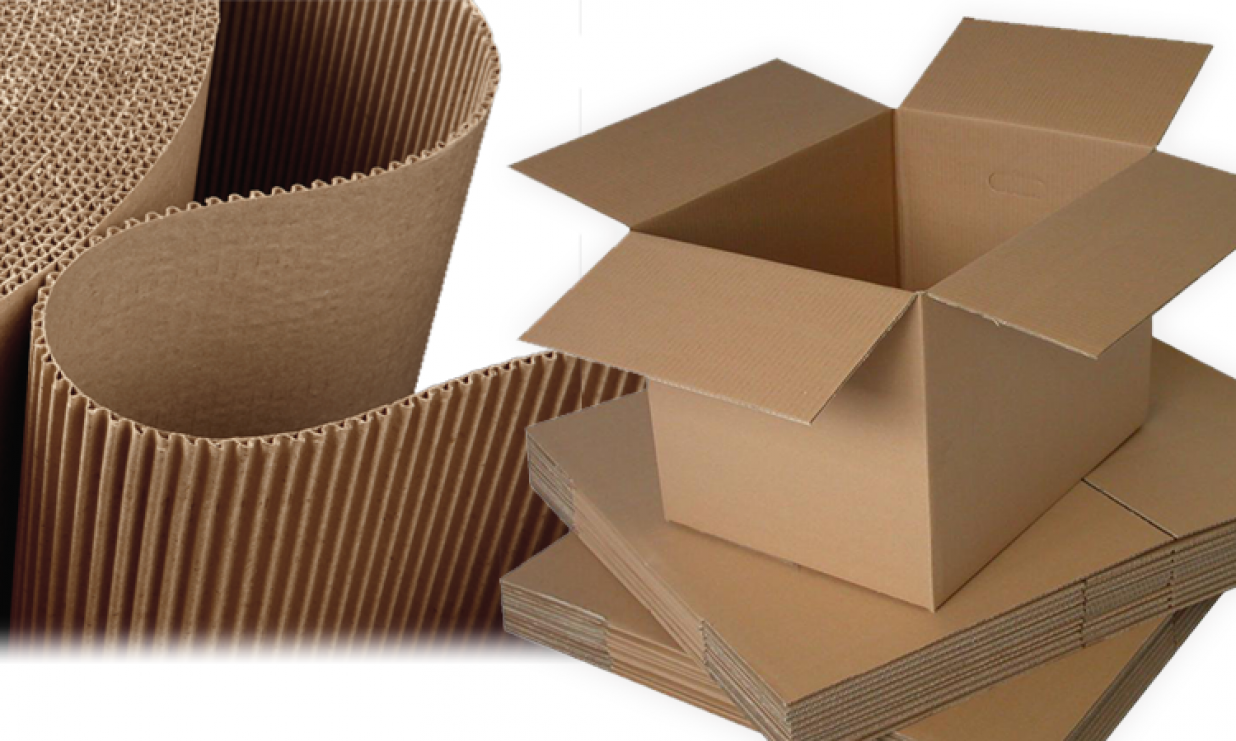
Weighing 0.6-1 oz per cup, paperboard provides thermal resistance up to 180°F and grease resistance with PLA coatings. It holds 1-2 lbs of hot or cold foods but is less robust for heavy liquids. Reducing landfill waste by 80%, it is recyclable in 90% of U.S. programs and compostable per SB 54. Stora Enso (U.S., 1-2 weeks) and WestRock (California, 10-15% bulk savings) are suppliers. Lead times are 1-3 weeks; coated options add 1 week. Costs are $0.09-$0.13 per unit, 10-30% above EPS. Signage ensures proper recycling or composting.
Paperboard is used in restaurants for coffee cups, sandwich boxes, and side trays, and in retail for cake boxes or gift displays. A San Jose cafe switched to paperboard cups and boxes in February 2025. A 12% WestRock bulk discount saved 10% on costs. Staff training and signage reduced waste by 20%, and in-store promotions increased customer feedback by 15%, driving a 7% sales uptick over three months.
Comparison Chart:
|
Material |
Cost ($/Unit) |
Certifications |
Disposal Method |
Best Use Case |
|---|---|---|---|---|
|
Bagasse |
0.10-0.15 |
BPI, ASTM D6400 |
Industrial Compost |
Restaurant takeout containers |
|
Molded Pulp |
0.09-0.12 |
ASTM D6400 |
Compost/Recycle |
Retail produce trays |
|
PLA |
0.12-0.18 |
BPI, PFAS-free |
Industrial Compost |
Cafe cold drink cups |
|
Bamboo |
0.11-0.16 |
TÜV OK Compost |
Industrial Compost |
Fine dining trays |
|
PET Plastic |
0.08-0.10 |
Recyclable per SB 54 |
Recycle |
Fast-food clamshells |
|
Mushroom Pkg |
0.15-0.20 |
Compostable |
Home/Industrial Compost |
E-commerce cushioning |
|
Paperboard |
0.09-0.13 |
Recyclable, Compostable |
Recycle/Compost |
Cafe food boxes |
Environmental Impact Chart:
|
Material |
Landfill Waste Reduction (%) |
Carbon Footprint Reduction (%) |
Recycling/Compost Rate (%) |
|---|---|---|---|
|
Bagasse |
90 | 60 |
100 (compost) |
|
Molded Pulp |
85 | 30 |
95 (recycle/compost) |
|
PLA |
80 | 50 |
100 (compost) |
|
Bamboo |
70 | 40 |
100 (compost) |
|
PET Plastic |
60 | 20 |
30 (recycle) |
|
Mushroom Pkg |
95 | 70 |
100 (compost) |
|
Paperboard |
80 | 30 |
90 (recycle/compost) |
Practical Steps to Transition
-
Conduct a Comprehensive Inventory Audit: Develop a spreadsheet to catalog packaging items, including containers, cups, and trays. Cross-reference with CalRecycle’s EPS list to identify banned polystyrene foam products. Create a polystyrene foam ban checklist to categorize items as banned, compliant, or needing review. Complete by September 2025 to phase out EPS before Q4 inspections. Engage operations staff to review inventory using digital tools like Google Sheets for collaboration.
A San Diego cafe with two locations audited inventory in August 2025, identifying 30% EPS takeout containers. Using a checklist and partnering with World Centric for bagasse, they transitioned in six weeks. Staff training prevented customer confusion, reducing waste by 25% and increasing satisfaction by 5%.
-
Source Sustainable Suppliers: Contact vendors like World Centric for bagasse or PLA, Dart Container for PET, or Ecovative for mushroom packaging. Request samples, certifications, and bulk pricing. Secure 10-20% discounts for orders of 5,000+ units and 30-day payment terms. California businesses prioritize local suppliers like WestRock to reduce lead times; national chains use Bioleader. Evaluate suppliers on delivery, certifications, and pricing, maintaining two suppliers to mitigate delays.
A Los Angeles restaurant chain sourced molded pulp trays from Eco-Products in Q2 2025. A 15% bulk discount and 30-day terms eased costs. Ordering three months ahead avoided shortages, cutting waste by 20% and increasing dine-in traffic by 8% via eco-promotions.
-
Train Staff and Engage Customers: Develop a 15-minute training module on material benefits, such as PET recyclability, and disposal instructions. Include role-playing for customer questions. Use signage, like “Compostable Bagasse: Saving Oceans,” and social media campaigns to promote the switch. Offer loyalty points for eco-packaged items. Create a one-page FAQ explaining the EPS ban and disposal methods. Schedule bi-weekly staff refreshers and monitor customer feedback.
A Sacramento bistro adopted bamboo trays in March 2025. A 15-minute training module focused on composting and FAQs. In-store posters and a loyalty program increased takeout orders by 10%, with 20% more sustainability inquiries in two months.
-
Monitor and Document Compliance: Subscribe to CalRecycle’s newsletter for SB 54 updates. Maintain a compliance log with invoices, certifications, and training records. Use a digital folder, such as Google Drive, for inspection documentation. Review quarterly to align with regulatory changes. Assign a compliance officer to track updates and conduct mock inspections.
A Santa Barbara cafe implemented a compliance log in Q1 2025 for PET and paperboard sourcing. Quarterly reviews aligned with SB 54, and a digital folder streamlined a July 2025 inspection, saving $10,000 in fines and maintaining continuity.
Compliance Timeline Chart:
|
Date |
Action Item |
Responsible Party |
|---|---|---|
|
Sep 2025 |
Complete EPS inventory audit |
Operations Manager |
|
Oct 2025 |
Secure supplier contracts |
Procurement Team |
|
Nov 2025 |
Train staff on new materials |
HR/Training Lead |
|
Dec 2025 |
Launch customer engagement campaign |
Marketing Team |
|
Mar 2026 |
Review CalRecycle updates |
Compliance Officer |
Overcoming Transition Challenges
Higher costs of alternatives to polystyrene foam, ranging 10-70% above EPS ($0.08/unit), strain budgets. Negotiating bulk discounts, such as 15% off 10,000 bagasse units, and leveraging California’s Green Business Program for $5,000 annual tax incentives mitigate expenses. Price adjustments of 5-10% are viable, as consumers accept eco-premiums. Cost-benefit analyses for owners, highlighting $50,000 daily fine avoidance and loyalty gains, and finance team engagement for tax credits support the transition. A San Jose cafe faced 30% higher PLA cup costs in Q1 2025. A 12% Vegware discount and 7% price hike offset expenses. A loyalty program boosted sales by 12%, with 15% more customer feedback.
Supply chain disruptions, with imported materials like bagasse facing 3-5 week delays, risk shortages. Local sourcing, such as World Centric’s 5-7 day delivery, and a 4-week safety stock ensure continuity. Backup suppliers like Pactiv Evergreen add resilience. Procurement teams need lead time updates, and leadership must approve safety stock costs. A Los Angeles restaurant faced bagasse delays in Q2 2025. Switching to Dart Container’s PET ensured 1-week delivery. A 4-week stock prevented shortages, and promotions sustained trust, avoiding a 10% sales dip.
Limited composting infrastructure, with California’s 150 facilities, restricts bagasse and PLA disposal. Partnerships with local compost programs, like Recology, and signage with staff training guide customers. Facilities managers install compost bins, and marketing creates educational campaigns. A San Diego cafe partnered with a compost program in Q1 2025 for PLA cups. Signage and a 10-minute training reduced landfill waste by 30%. Promotions increased foot traffic by 8%, with positive feedback.
Enforcement uncertainty from CalRecycle’s vague April 2025 bulletin creates ambiguity. Proactively phasing out EPS and documenting transitions with certifications and logs prepares for inspections. Leadership briefings on risks justify investment, and compliance officers handle documentation. A Santa Barbara restaurant adopted PET clamshells in Q1 2025, documenting sourcing. A compliance log ensured a smooth July 2025 inspection, avoiding $50,000 fines and preventing a 5% customer loss.
Customer resistance to non- polystyrene foam packaging requires campaigns, such as “Bamboo Trays Save Oceans!” with posters and loyalty discounts. Staff training addresses eco-benefit concerns. Marketing drives campaigns, and staff resolve issues. A Sacramento bistro faced resistance to bamboo trays in Q2 2025. Posters and a 10% loyalty discount increased sales by 10%. Training resolved concerns, with 20% more inquiries, solidifying eco-branding.
Cost vs. Savings Chart:
|
Material |
Initial Cost ($/Unit) |
Long-Term Savings (Annual, 10,000 Units) |
|---|---|---|
|
Bagasse |
0.10-0.15 |
$5,000 (fines avoided, loyalty gains) |
|
Molded Pulp |
0.09-0.12 | $4,500 |
|
PLA |
0.12-0.18 | $4,000 |
|
Bamboo |
0.11-0.16 |
$6,000 (premium branding) |
|
PET Plastic |
0.08-0.10 | $3,500 |
|
Mushroom Pkg |
0.15-0.20 | $3,000 |
|
Paperboard |
0.09-0.13 | $4,200 |
Polystyrene foam bans push restaurants and retailers to adopt alternatives like bagasse, molded pulp, PLA, bamboo, PET, mushroom packaging, and paperboard. These ensure compliance, reduce harm, and attract eco-conscious customers, with 78% of voters supporting polystyrene foam bans.
Frequently Asked Questions
Why must restaurants and retailers replace polystyrene foam?
Polystyrene foam bans in 250+ U.S. cities target its 1% recycling rate and microplastic pollution. Businesses face fines up to $1,000 per violation. Sustainable packaging aligns with 86% of consumers preferring eco-friendly brands, boosting loyalty. Bagasse meets ban standards.
What are the best polystyrene foam alternatives for businesses?
Bagasse suits takeout containers, PLA fits iced cups, and PET matches polystyrene foam’s cost ($0.08-$0.10/unit). Molded pulp and paperboard work for trays, bamboo for bowls. All meet ban requirements, based on cost and disposal access.
How much do polystyrene foam alternatives cost?
Alternatives cost 10-70% more than polystyrene foam ($0.08/unit). PET is $0.08-$0.10, paperboard $0.09-$0.13, bagasse $0.10-$0.15, PLA $0.12-$0.18. Bulk orders save 10-20%, and incentives offset costs. Price hikes (5-10%) help.
Are polystyrene foam alternatives safe for food?
Bagasse, PLA, PET, and paperboard are food-safe, with BPI or PFAS-free certifications. Bagasse and PET handle hot foods up to 140-200°F, PLA suits cold drinks. World Centric provides FDA-compliant documentation, replacing polystyrene foam safely.
How should businesses dispose of polystyrene foam alternatives?
Bagasse and PLA require industrial composting. PET and paperboard are recyclable in 90% of U.S. programs. Signage (e.g., “Compost Only”) and training reduce errors in areas with limited composting, replacing polystyrene foam effectively.
What challenges arise when replacing polystyrene foam?
Higher costs strain budgets, mitigated by discounts and incentives. Bagasse delays (3-5 weeks) need World Centric’s 1-2 week delivery. Limited composting and customer resistance require signage and campaigns like “Green Cups Save Oceans!” to replace polystyrene foam.
How can businesses comply with polystyrene foam bans?
Audit polystyrene foam inventory by Q3 2025 using local ban lists. Source alternatives from World Centric, train staff, and log certifications in Google Drive for inspections. Track local updates to avoid fines.
Do customers prefer businesses without polystyrene foam?
Yes, 86% of consumers favor eco-friendly brands, per Oceana’s 2025 poll. Signage like “Bagasse Saves Wildlife” and #PolystyreneBan boost engagement. A Seattle diner’s 2025 bagasse switch increased inquiries by 10% and traffic by 12%.


