


Imagine a customer opening a package from your small online store and spotting a vibrant QR code on the box. They scan it with their phone, and instantly, a video reveals the sustainable sourcing of your coffee beans or an augmented reality (AR) demo showcases your skincare product in action. This is interactive smart packaging, and in June 2025, it’s transforming how small businesses in e-commerce, beauty, and food connect with customers. A 2025 McKinsey survey shows 78% of shoppers crave engaging unboxing experiences, while 82% prioritize eco-friendly packaging. Smart packaging trends 2025 deliver both, turning your packaging into a powerful brand tool. Accessible to startups through affordable technology, interactive smart packaging empowers you to compete with industry giants like L’Oréal in today’s dynamic market.
Interactive Smart Packaging is significantly transforming how e-commerce businesses connect with customers and boost sales. We’re witnessing remarkable growth in this sector, with the global automated e-commerce packaging market reaching US$ 659.63 million in 2023 and projected to expand at a 13.7% CAGR to an impressive US$ 2708.11 million by 2034.
Smart and interactive packaging goes beyond basic containment and protection of products. It’s a technological advancement that enhances customer experience through features like QR-enabled smart packaging, NFC-enabled packaging, and RFID smart packaging labels. These innovations not only improve product protection during delivery but also create engaging unboxing experiences that drive brand loyalty. In fact, studies show that experiential packaging fosters higher brand recall and customer retention.
In this comprehensive guide, we’ll explore how different types of smart packaging can revolutionize your e-commerce strategy. We’ll examine how these solutions protect products, provide valuable consumer insights, and create shareable moments that serve as powerful marketing tools, especially on platforms like Instagram, TikTok, and YouTube. With 70% of U.S. consumers willing to change their shopping habits for sustainable brands, we’ll also look at how smart packaging can communicate your eco-friendly practices effectively.
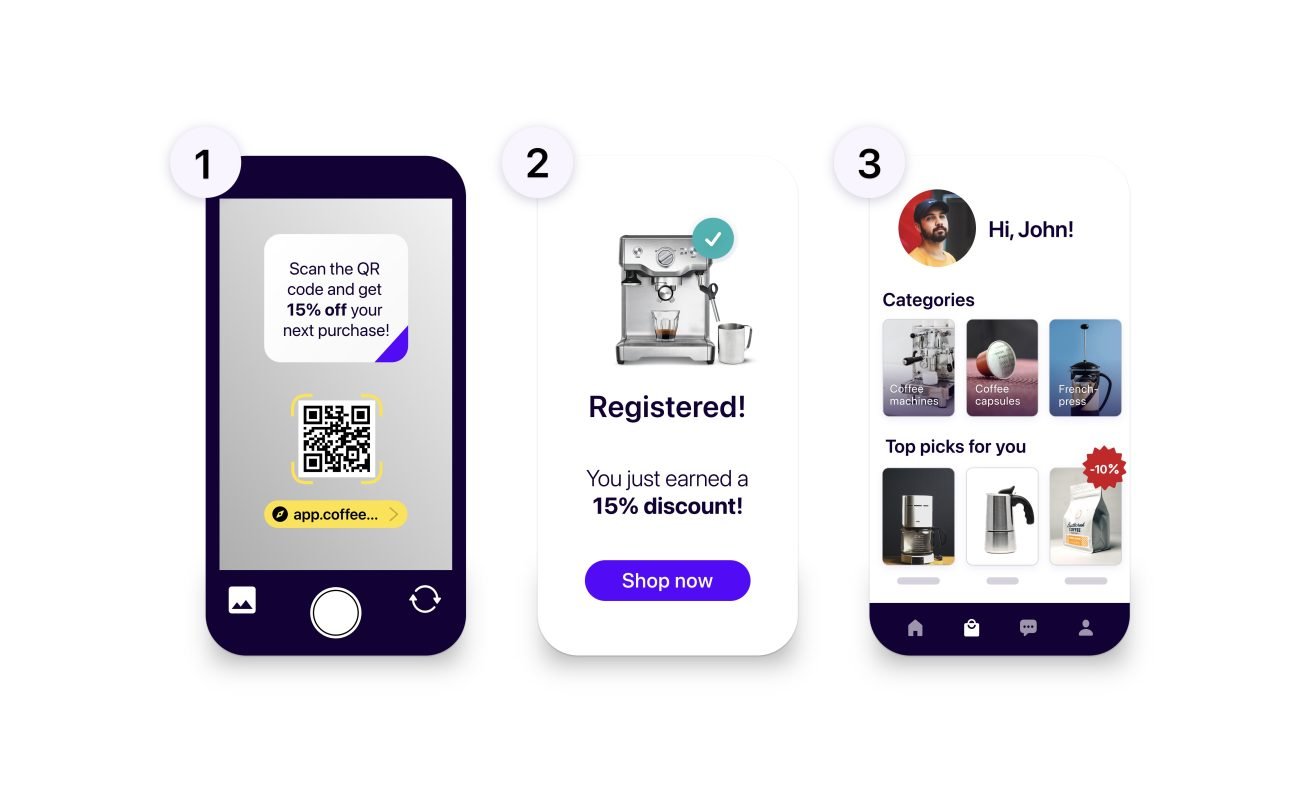
What is Interactive Smart Packaging?
Smart packaging fundamentally changes how products are presented, protected, and experienced in the e-commerce world. Beyond conventional containers, interactive smart packaging incorporates advanced technologies that enhance functionality, safety, and user experience throughout the product journey. With the global smart packaging market valued at USD 22.67 billion in 2023 and projected to reach USD 31.98 billion within the next decade, this innovation is rapidly becoming essential for forward-thinking e-commerce businesses.
Smart packaging systems utilize sensors, indicators, smart labels, QR codes, IoT integration, and various digital tools to provide real-time data and interactive features. Rather than simply containing products, these packaging solutions actively engage consumers, offering valuable information and experiences that traditional packaging cannot.
Interactive smart packaging transforms boxes, bags, or labels into dynamic platforms that engage customers or streamline operations using technologies like QR codes, AR, RFID tags, and NFC (near-field communication).
-
QR Codes: Scannable codes linking to digital content such as product stories, discounts, or recycling instructions. Nespresso uses QR code custom packaging on its coffee capsules to share sustainability details, enhancing transparency.
-
Augmented Reality (AR): Overlays digital visuals, like virtual try-ons or product demos, when customers scan packaging. L’Oréal’s AR-enabled makeup packaging allows shoppers to test shades virtually via their smartphones.
-
RFID Tags: Radio-frequency identification tracks inventory or prevents counterfeiting, as Levi’s employs for efficient apparel supply chains.
-
NFC Chips: Enables tap-to-pay or instant content access, like Johnnie Walker’s NFC-embedded whisky bottles linking to brand stories with a smartphone tap.
According to a 2025 Fortune Business Insights report, the global smart packaging market is projected to grow from $23.66 billion to $54.43 billion by 2034, with a 9.7% CAGR, driven by e-commerce growth and consumer demand for transparency—60% of shoppers want clear sourcing information, per a 2025 Statista study. Smart packaging for e-commerce is now accessible to small businesses through platforms like PackSavvy, which offers low-minimum-order-quantity (MOQ) designs, or free tools like QRCodeMonkey for QR code custom packaging. Whether you’re in beauty, food, or retail, interactive smart packaging creates memorable customer connections, making it an essential tool for startups aiming to differentiate themselves in a competitive landscape.
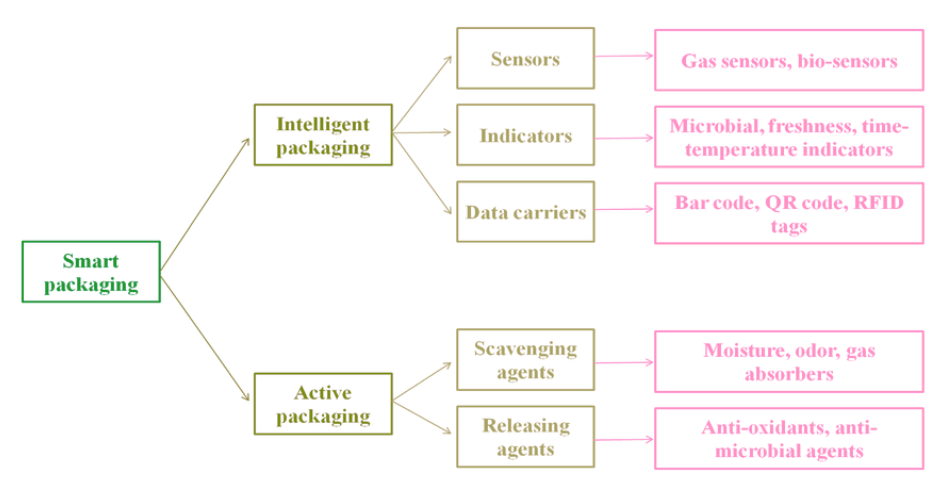
Types of smart packaging used in e-commerce
The e-commerce industry primarily employs three distinct categories of smart packaging, each serving different purposes while complementing one another:
Active Packaging: This category directly interacts with the product or its environment to maintain quality and extend shelf life. Active packaging technologies work to preserve product freshness and integrity throughout the supply chain. They often incorporate elements like moisture absorbers or oxygen scavengers that protect sensitive items during shipping and storage. This is particularly valuable for e-commerce businesses selling perishable goods, cosmetics, or pharmaceuticals with specific preservation requirements.
Intelligent Packaging: This form monitors and communicates information about the product’s condition. Intelligent packaging enhances product functionality by incorporating technologies like RFID tags and NFC chips. It provides real-time assessment of crucial factors such as freshness, temperature, and storage conditions. Additionally, some intelligent packaging uses color-changing indicators with special inks that react to environmental changes, quickly alerting users to variations that might affect product quality.
Connected Packaging: This category specifically leverages technology like QR codes or NFC to link physical products with digital content. Connected packaging creates an interactive bridge between e-commerce brands and customers through smartphones. By embedding technologies such as RFIDs, microchips, and QR codes, companies can enhance customer engagement and build meaningful connections. Moreover, connected packaging enables valuable data collection about customer behaviors and preferences, empowering brands to deliver more personalized experiences.
The smart packaging industry is experiencing remarkable growth. Already valued at USD 38.16 billion in 2020, experts project it will grow 4.15% annually to reach USD 48.72 billion by 2026. This expansion reflects the increasing adoption of these technologies across the e-commerce landscape.
How QR-enabled and NFC-enabled packaging works
QR-Enabled Packaging Technology
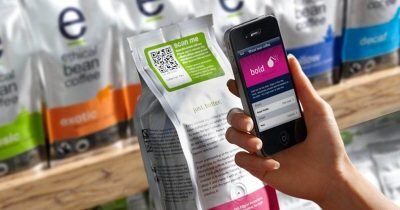
QR (Quick Response) codes represent one of the most accessible smart packaging technologies. These two-dimensional barcodes store significantly more information than traditional barcodes. The primary advantage of QR codes lies in their universal accessibility—most modern smartphones can scan them without requiring specialized apps.
When an e-commerce customer receives a package with a QR code, they simply point their smartphone camera at the code to activate a digital experience. The QR code can instantly connect users to:
- Product information and usage instructions
- Brand storytelling and promotional content
- Authentication verification
- Sustainability details and recycling instructions
- Exclusive offers and loyalty programs
QR codes enable e-commerce brands to overcome the physical limitations of packaging while providing extensive information that helps consumers make informed decisions. Furthermore, QR codes allow for enhanced traceability by linking to batch numbers, manufacturing dates, expiration information, and supply chain details. This traceability helps combat counterfeiting while verifying product authenticity—a crucial consideration for online purchases where consumers cannot physically inspect items before buying.
From a business perspective, QR code implementation offers valuable analytics. When customers scan these codes, brands can track metrics like location and open rates, providing insights into customer engagement. This data helps optimize marketing strategies and product presentations.
NFC-Enabled Packaging Innovation

Near Field Communication (NFC) technology represents a more sophisticated interactive packaging approach. NFC-enabled packaging incorporates small chips and antennas that communicate wirelessly with NFC-capable devices (primarily smartphones) when in close proximity.
Unlike QR codes that require visual scanning, NFC technology activates when a compatible device comes within a few centimeters of the tag. This proximity-based activation creates a more deliberate and intimate interaction between the consumer and the product.
NFC technology in e-commerce packaging delivers several unique benefits:
- Enhanced Authentication: NFC tags provide secure, unique identification codes that help verify product authenticity—particularly valuable for luxury goods, electronics, and pharmaceuticals sold online.
- Personalized Experiences: NFC packaging enables tailored content delivery, with consumers accessing personalized offers, messages, or recommendations based on their preferences and purchase history.
- Interactive Engagement: Brands can leverage NFC to drive customer engagement through interactive games, contests, or loyalty programs accessible with a simple tap.
- Supply Chain Visibility: The technology enables end-to-end traceability, allowing companies to monitor products from manufacturing through delivery.
- Data Collection: NFC interactions provide valuable insights into consumer behavior and interaction patterns, helping refine marketing strategies.
The implementation of NFC technology additionally supports sustainability initiatives. NFC tags can eliminate the need for physical labels, instruction manuals, or promotional inserts by digitizing this information. Additionally, when paired with environmentally friendly materials, this approach helps reduce waste and supports eco-conscious consumer preferences.
The convergence of NFC with the Internet of Things (IoT) is transforming packaging into an intelligent interface between manufacturers and e-commerce consumers. According to the International Telecommunication Union, global IoT device connections are growing approximately 20% annually, with projections suggesting connected devices may exceed 30 billion within the next few years. This exponential growth supports increasing NFC integration in e-commerce packaging applications.
The role of smart packaging sensors
Sensors form the foundation of truly intelligent packaging systems. These miniature technological components continually monitor the product and its surroundings, collecting vital data on conditions that might affect quality, safety, or performance.
Types of Smart Packaging Sensors
Smart packaging incorporates various sensor types, each serving specific monitoring functions:
- Temperature Sensors: Track exposure to heat or cold that might compromise product integrity
- Humidity Sensors: Monitor moisture levels that could affect product quality
- Pressure Sensors: Detect physical impacts or crushing during shipping
- Light Sensors: Identify unwanted light exposure for light-sensitive products
- Freshness Sensors: Monitor food decomposition through detecting gasses like ammonia
These sensors serve as vigilant guardians within the packaging, continuously gathering data that helps ensure product quality throughout the e-commerce journey.
How Sensor Technology Functions in E-Commerce
The smart packaging sensor ecosystem operates through three primary components working in harmony:
- Embedded Sensors: These act as the system’s “senses,” constantly monitoring environmental conditions and product status.
- Communication Technology: RFID tags or NFC chips function as translators, converting sensor data into digital language that other devices can understand and process.
- Cloud Connectivity: The translated data travels wirelessly to cloud storage, enabling real-time monitoring and analysis throughout the product’s journey from production to delivery.
For e-commerce operations, this system offers unprecedented visibility into product conditions. Consider perishable food items ordered online—smart sensors can monitor temperature fluctuations or signal freshness levels, helping prevent food deterioration before reaching customers. Similarly, for pharmaceuticals or sensitive electronics, the sensor system ensures proper handling throughout the fulfillment process.
Practical Benefits for E-Commerce Applications
Smart packaging sensors deliver specific advantages for online retailers:
- Supply Chain Transparency: Real-time tracking and monitoring of products throughout distribution provides full visibility of the product’s lifecycle.
- Quality Assurance: Sensors monitoring conditions like temperature, humidity, and pressure ensure products remain in optimal condition during transit.
- Authentication: Sensor-equipped packaging helps verify product authenticity, combating the counterfeit goods problem that plagues e-commerce.
- Reduced Returns: By ensuring products arrive in perfect condition, sensor technology helps minimize costly returns and customer disappointment.
- Sustainability Support: Sensors optimize material use and reduce waste by providing data that improves packaging efficiency.
Beyond these functional benefits, smart packaging sensors contribute to creating memorable unboxing experiences. When customers receive products that have been perfectly preserved and can interact with packaging that “communicates” product information, it elevates the perception of the brand and encourages repeat purchases.
The integration of sensors with other smart packaging technologies creates a comprehensive system that addresses multiple e-commerce challenges simultaneously. For instance, SICK sensors can be integrated into packaging machinery to monitor conditions like temperature and humidity, ensuring products like cereals and snacks stay fresh. Additionally, when paired with RFID and NFC technologies, these sensors enhance product traceability, allowing consumers to access detailed information via smartphone scans, building trust and meeting information demands.
For products requiring strict safety standards, such as baby food or gluten-free items, sensors monitor compliance throughout the supply chain, ensuring regulatory adherence and maintaining high safety standards. This capability is particularly valuable for e-commerce businesses selling sensitive or regulated products.
Interactive smart packaging represents a significant advancement for e-commerce businesses seeking to enhance customer experiences while improving operational efficiency. By understanding and implementing the appropriate technologies—whether active packaging for product protection, intelligent packaging for condition monitoring, or connected packaging for consumer engagement—online retailers can create meaningful differentiation in an increasingly competitive marketplace.
As these technologies continue to evolve and become more affordable, they will increasingly become standard features rather than premium options. Forward-thinking e-commerce brands are already exploring how these innovations can solve specific business challenges while creating new opportunities for customer connection and loyalty.
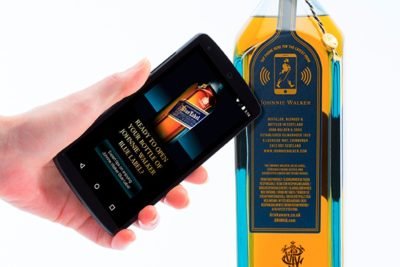
Diageo’s NFC “Smart Bottle” Case Study
The Diageo Johnnie Walker smart bottle is a pioneering example of interactive smart packaging. In 2015, Diageo collaborated with Thinfilm Electronics to develop a Johnnie Walker Blue Label bottle featuring NFC-based printed OpenSense tags—essentially creating a bottle that could communicate with smartphones. This interactive smart packaging could detect whether the bottle was sealed or opened, helping prevent counterfeits and adding a layer of tamper-evidence. Once tapped, the NFC tag delivered personalized content—such as cocktail recipes, promotional offers, or traceability information—directly to users, enhancing brand engagement and building customer loyalty on an experiential level
Benefits of Interactive Smart Packaging in E‑Commerce
Interactive smart packaging does more than engage—it actively secures product authenticity. The Johnnie Walker smart bottle’s NFC tag is permanently encoded during manufacturing, making it nearly impossible to replicate. This anti-counterfeit feature empowers brands to build trust while enhancing consumer confidence. Moreover, gathering NFC interaction data during unboxing provides powerful customer insights, enabling tailored follow-up offers and helping brands track market adoption at the SKU level. These data-driven capabilities illustrate how interactive smart packaging transitions packaging from simple protection to a dynamic marketing and analytics hub .
Seamless Integration Into the E‑Commerce Lifecycle
Interactive smart packaging like the Johnnie Walker NFC bottle integrates seamlessly into the e-commerce supply chain. NFC tags enable real-time traceability—from production to delivery—ensuring products maintain authenticity at every checkpoint. Once the customer taps the bottle at home, the interactive smart packaging delivers a curated post-purchase experience—cocktail suggestions, digital postcards, VIP invites—extending brand engagement well after delivery. This kind of interaction helps transform a one-time purchase into a lasting brand relationship .
Broader Industry Applications: Interactive Smart Packaging Beyond Spirits
The success of Johnnie Walker’s interactive smart packaging sparked broader adoption across industries. Remy Martin introduced similar NFC-enabled bottles at scale in Thailand, enabling secure authentication and interactive consumer engagement through a connected app. Meanwhile, brands in pharmaceuticals, luxury goods, and gourmet foods are implementing interactive smart packaging—with embedded NFC, printed sensors, or QR/NFC pairing—to enable authenticity checks, freshness monitoring, and personalized content delivery
The Competitive Advantage of Interactive Smart Packaging
By transforming ordinary packaging into interactive smart packaging, brands gain a measurable competitive advantage. Consumers perceive greater value and trust in products that “talk back” via NFC or QR—verified by evidence like elevated brand recall and increased loyalty. In a crowded e-commerce landscape, such packaging sets brands apart, turning unboxing into a shareable, personal experience that drives social engagement and word-of-mouth promotion.
Overcoming Key Implementation Challenges
Implementing smart packaging is transformative but comes with hurdles:
-
Cost & ROI Concerns
While sensors and NFC chips continue to drop in price, they can still pose economic barriers—especially for everyday items. The smart approach is scalable adoption: begin with QR codes and dynamic labels, and gradually upgrade to NFC or sensors in high-value or sensitive goods. -
Technical Fragmentation
The smart packaging ecosystem currently lacks a unified IoT standard. Brands must carefully consider interoperability—choosing technologies and partners that align on protocols and future-proof scalability. -
Privacy & Data Ownership
As packages gather more consumer interaction data, brands must navigate legal regulations (like GDPR) and clearly define who owns the data—especially in B2B ecosystems. Approaches like anonymization, transparency, and opt-in consent are key to building trust. -
Ecosystem Collaboration
Effective smart packaging requires tight integration across packaging manufacturers, tech providers, fulfillment centers, logistics firms, and retailers. Companies must cultivate partnership agility, forming flexible alliances to pioneer tech-forward packaging. -
Consumer Adoption
Technology is only useful if people use it. Adoption depends on intuitive design, clear instructions, and communicated benefits like freshness alerts, loyalty rewards, or sustainability information. Educational cues—like “Tap here for exclusive content”—help drive engagement and repeat use.
FAQs
Q1. How does interactive smart packaging enhance the e-commerce experience? Interactive smart packaging improves product protection, provides real-time data on product conditions, and creates engaging unboxing experiences. It also offers valuable consumer insights, enables personalized marketing, and can increase brand loyalty through memorable interactions.
Q2. What are the main types of smart packaging used in e-commerce? The three main types are active packaging (which interacts with the product to maintain quality), intelligent packaging (which monitors and communicates product conditions), and connected packaging (which links physical products to digital content through technologies like QR codes and NFC).
Q3. How do QR codes and NFC technology work in smart packaging? QR codes can be scanned by smartphones to access product information, brand content, and exclusive offers. NFC technology allows for proximity-based activation, providing secure authentication, personalized experiences, and interactive engagement when a compatible device is brought close to the packaging.
Q4. What role do sensors play in smart packaging for e-commerce? Sensors in smart packaging continuously monitor conditions like temperature, humidity, and pressure that might affect product quality or safety. They provide real-time data throughout the supply chain, ensuring products arrive in optimal condition and reducing returns.
Q5. How can smart packaging contribute to sustainability in e-commerce? Smart packaging can support sustainability by optimizing material use, reducing waste through improved packaging efficiency, and digitizing information to eliminate the need for physical labels or inserts. It also allows brands to communicate their eco-friendly practices effectively to consumers.


