Table of Contents
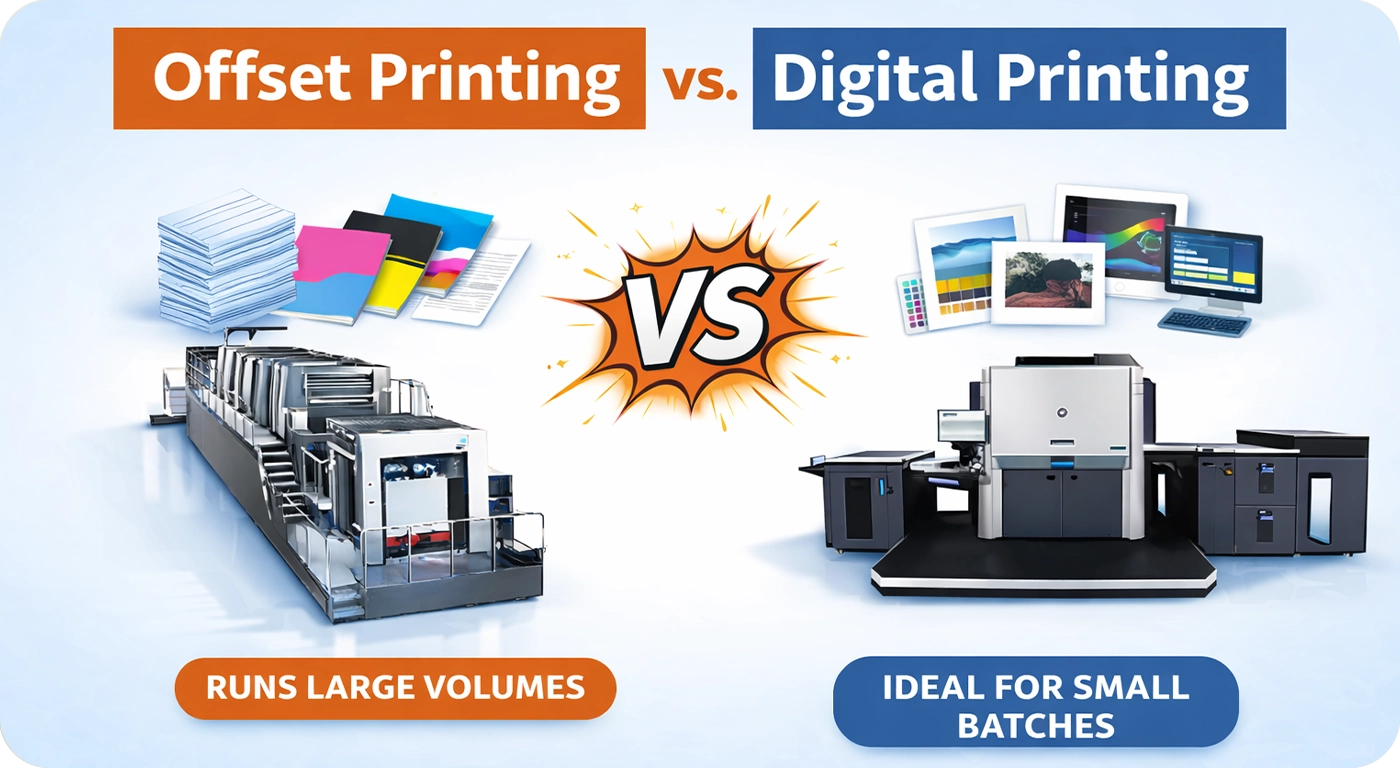
Printing is just one of those decisions that businesses tend to overlook. And then the color comes out wrong, or the costs exceed expectations, or the timelines get super tight; that’s when the chaos actually happens. It’s important for businesses to understand the real differences between Offset printing and Digital printing because they directly impact quality, consistency, and budget, whether you’re producing custom packaging boxes, marketing materials, or product labels.
So, before placing your next large print order, here’s something that will help businesses understand how these two methods work and where each one performs best.
Offset Printing Powers Large-Scale Custom Packaging
Offset printing is the conventional, plate-based printing technique which is used for high-volume commercial printing. The design is transferred from a metal plate onto a rubber blanket after which is it “offset” onto the printing surface, usually on typically paperboard or corrugated material
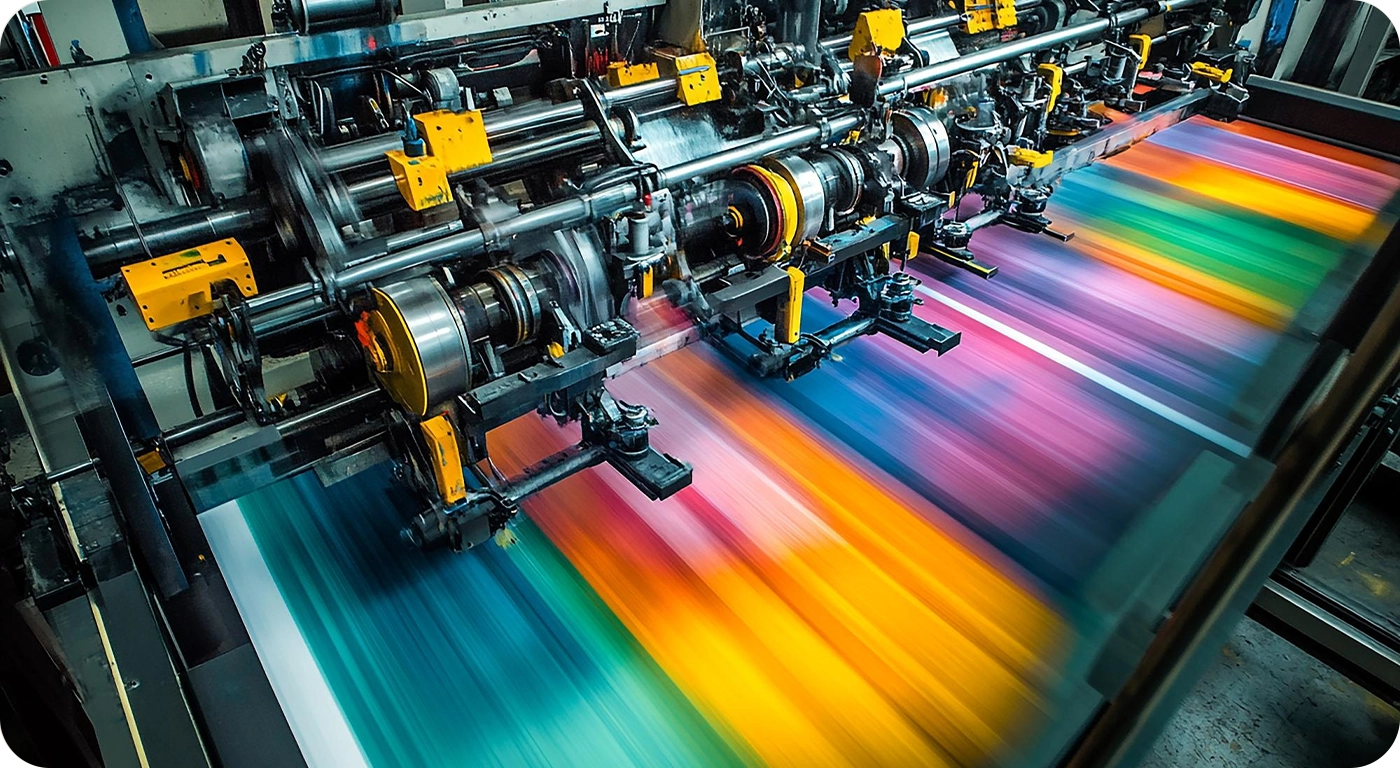 Offset printing, using physical plates and precise ink distribution, offers exceptional color accuracy and consistency across large runs. It is best suited for businesses looking to produce:
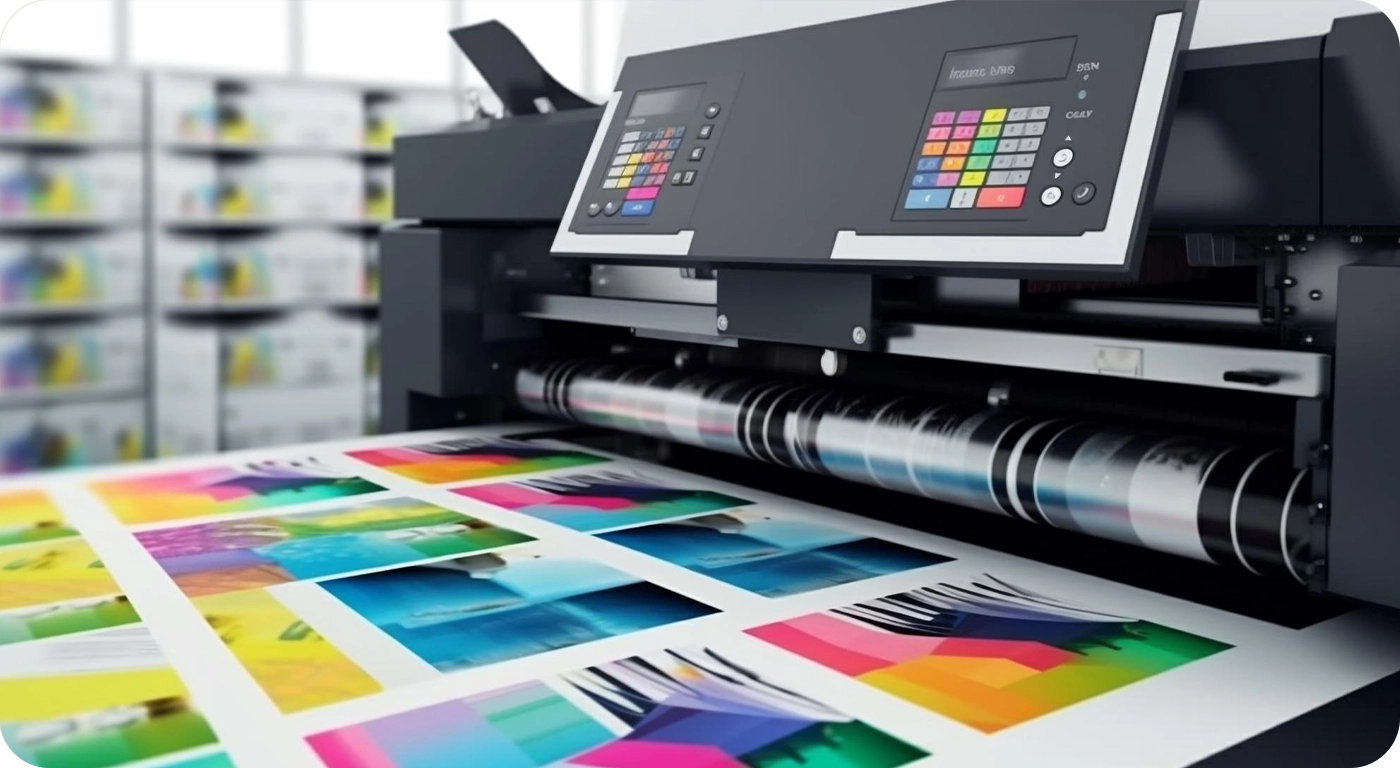 For example, if you’re for a couple of mailer boxes wit slight variations in design, Digital printing handles that with ease. The flexibility of Digital printing also allows brands to test packaging concepts without having to commit to larger quantities upfront.
Where the Real Differences Start to Matter
At first glance, you’d think both printing methods produce high-quality results, and mostly they do. But the difference becomes clearer when you compare performance factors that matter to growing brands.
Setup and Cost Structure
With Offset printing’s plate creation and press setup, upfront costs are higher. The per-unit cost, however, decreases as quantity increases. On the other hand, Digital print has minimal setup costs but maintains a relatively consistent price per unit regardless of the production size.
Color Accuracy and Brand Matching
Offset printing excels at precise Panton color matching, which is a must for brands with strict color guidelines. Digital printing, though, relies on CMYK toners or inks, which are highly capable but do not always achieve exact Pantone consistency at a larger scale.
Production Speed
Offset printing is efficient and more economical when producing larger quantities, while Digital printing is perfect for short runs.
Material Compatibility
While Offset presses can handle a variety of speciality papers, textured stocks, and thicker packaging board, Digital printing works best with standard paper, lighter cardstock, and thinner boards.
Choosing the Right Printing Method for Your Business Stage
Business often ask which method is better, however, a more practical question would be: “How many units do you need, and how important is color precision?”
For example:
For example, if you’re for a couple of mailer boxes wit slight variations in design, Digital printing handles that with ease. The flexibility of Digital printing also allows brands to test packaging concepts without having to commit to larger quantities upfront.
Where the Real Differences Start to Matter
At first glance, you’d think both printing methods produce high-quality results, and mostly they do. But the difference becomes clearer when you compare performance factors that matter to growing brands.
Setup and Cost Structure
With Offset printing’s plate creation and press setup, upfront costs are higher. The per-unit cost, however, decreases as quantity increases. On the other hand, Digital print has minimal setup costs but maintains a relatively consistent price per unit regardless of the production size.
Color Accuracy and Brand Matching
Offset printing excels at precise Panton color matching, which is a must for brands with strict color guidelines. Digital printing, though, relies on CMYK toners or inks, which are highly capable but do not always achieve exact Pantone consistency at a larger scale.
Production Speed
Offset printing is efficient and more economical when producing larger quantities, while Digital printing is perfect for short runs.
Material Compatibility
While Offset presses can handle a variety of speciality papers, textured stocks, and thicker packaging board, Digital printing works best with standard paper, lighter cardstock, and thinner boards.
Choosing the Right Printing Method for Your Business Stage
Business often ask which method is better, however, a more practical question would be: “How many units do you need, and how important is color precision?”
For example:
Offset printing, using physical plates and precise ink distribution, offers exceptional color accuracy and consistency across large runs. It is best suited for businesses looking to produce:
- Folding cartons and rigid boxes
- Product labels in bulk quantities
- Corporate brochures and catalogs
- High-end branded packaging materials
- Small-batch custom packaging
- Limited-edition product boxes
- Prototype packaging samples
- Seasonal marketing inserts
- Personalized packaging with variable data
For example, if you’re for a couple of mailer boxes wit slight variations in design, Digital printing handles that with ease. The flexibility of Digital printing also allows brands to test packaging concepts without having to commit to larger quantities upfront.
Where the Real Differences Start to Matter
At first glance, you’d think both printing methods produce high-quality results, and mostly they do. But the difference becomes clearer when you compare performance factors that matter to growing brands.
Setup and Cost Structure
With Offset printing’s plate creation and press setup, upfront costs are higher. The per-unit cost, however, decreases as quantity increases. On the other hand, Digital print has minimal setup costs but maintains a relatively consistent price per unit regardless of the production size.
Color Accuracy and Brand Matching
Offset printing excels at precise Panton color matching, which is a must for brands with strict color guidelines. Digital printing, though, relies on CMYK toners or inks, which are highly capable but do not always achieve exact Pantone consistency at a larger scale.
Production Speed
Offset printing is efficient and more economical when producing larger quantities, while Digital printing is perfect for short runs.
Material Compatibility
While Offset presses can handle a variety of speciality papers, textured stocks, and thicker packaging board, Digital printing works best with standard paper, lighter cardstock, and thinner boards.
Choosing the Right Printing Method for Your Business Stage
Business often ask which method is better, however, a more practical question would be: “How many units do you need, and how important is color precision?”
For example:
- If you’re launching a new product with limited packaging, digital printing offers flexibility.
- If you’re reordering 10,000 branded retail boxes, offset printing becomes more cost-effective.
- If you’re printing luxury cosmetic packaging that requires exact color replication, offset delivers strong consistency.
- If you’re running personalized promotional mailers, digital printing provides easier customization.
- Foil stamping
- Embossing and debossing
- Spot UV coating
- Soft-touch lamination
- Aqueous or matte coatings
- Is this a large production run or a short batch?
- Does your brand require strict Pantone color matching?
- Are you testing a design or committing to long-term packaging?
- Do you need variable data or personalization?
- Is turnaround time more important than unit cost?