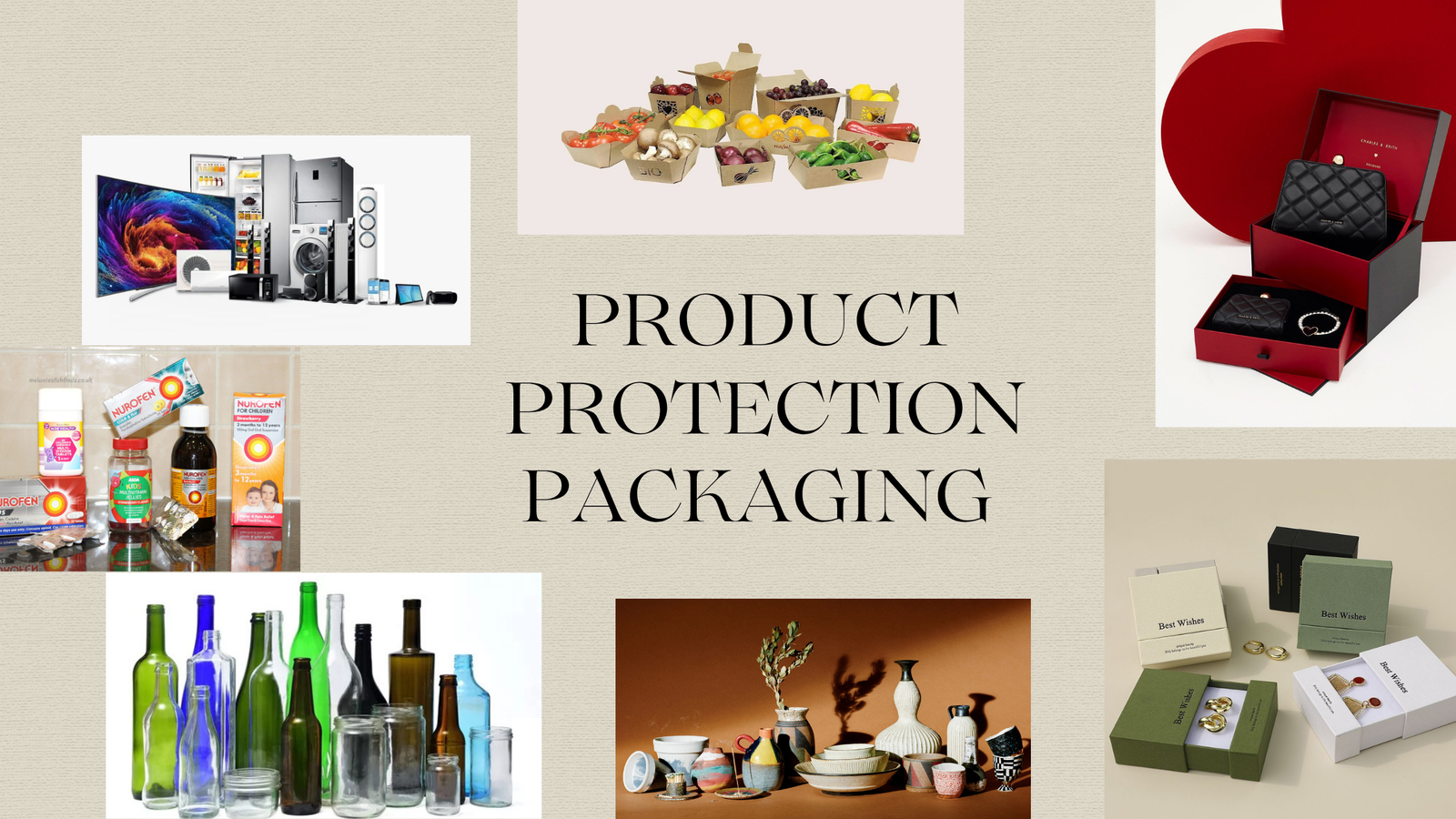
Why Product Protection Matters
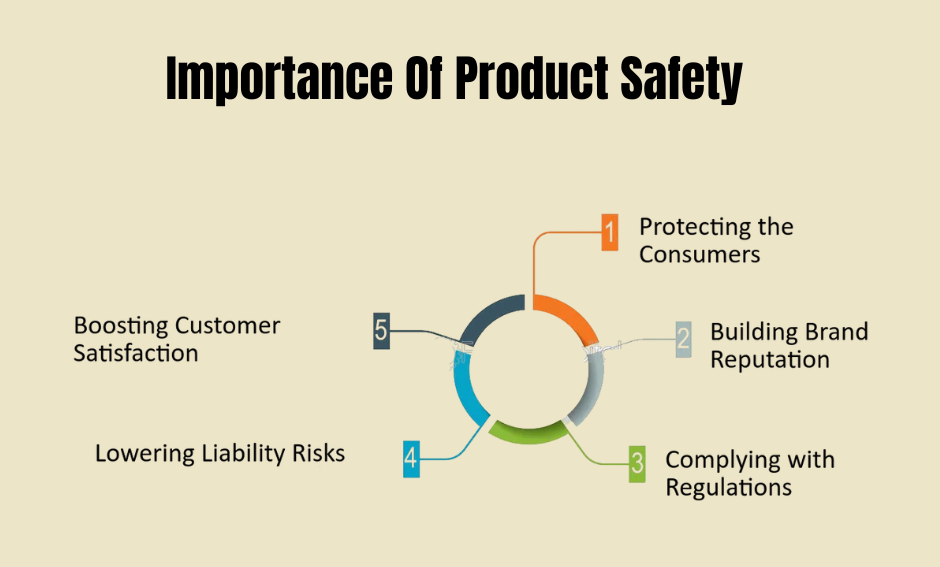 Product protection involves a range of practices designed to preserve the integrity, safety, and value of products throughout their journey—from manufacturing to the customer’s hands. Its significance cannot be overstated for the following reasons:
- Customer Satisfaction and Trust Delivering products in perfect condition through effective product protection builds consumer confidence. A single damaged item, such as a cracked phone screen or spoiled food, can result in negative reviews, costly returns, and eroded trust. Robust product protection signals a commitment to quality, enhancing customer satisfaction.
- Cost Efficiency Damaged products lead to significant financial losses through returns, replacements, and wasted inventory. According to industry studies, return rates for online purchases can range from 20-30%, with damage during shipping being a leading cause. Effective product protection minimizes these costs, boosting profitability.
- Brand Reputation Brands that prioritize product protection to consistently deliver well-protected products stand out in competitive markets. A reputation for reliability attracts repeat customers and generates positive word-of-mouth. Conversely, frequent damage incidents can tarnish a brand’s image, as seen in viral social media posts about poorly packaged goods.
- Compliance and Safety Industries like food, pharmaceuticals, and electronics face stringent regulations for product protection and safety. For example, the FDA mandates specific temperature controls for pharmaceuticals, while electronics must comply with electrostatic discharge (ESD) protection standards. Proper product protection ensures compliance, avoiding legal penalties and ensuring consumer safety.
- Sustainability and Consumer Appeal Modern consumers prioritize eco-friendly practices. Using sustainable, recyclable packaging as part of product protection not only protects products but also aligns with environmental values, appealing to a growing demographic of eco-conscious buyers.
Customer Loyalty as a Business Driver
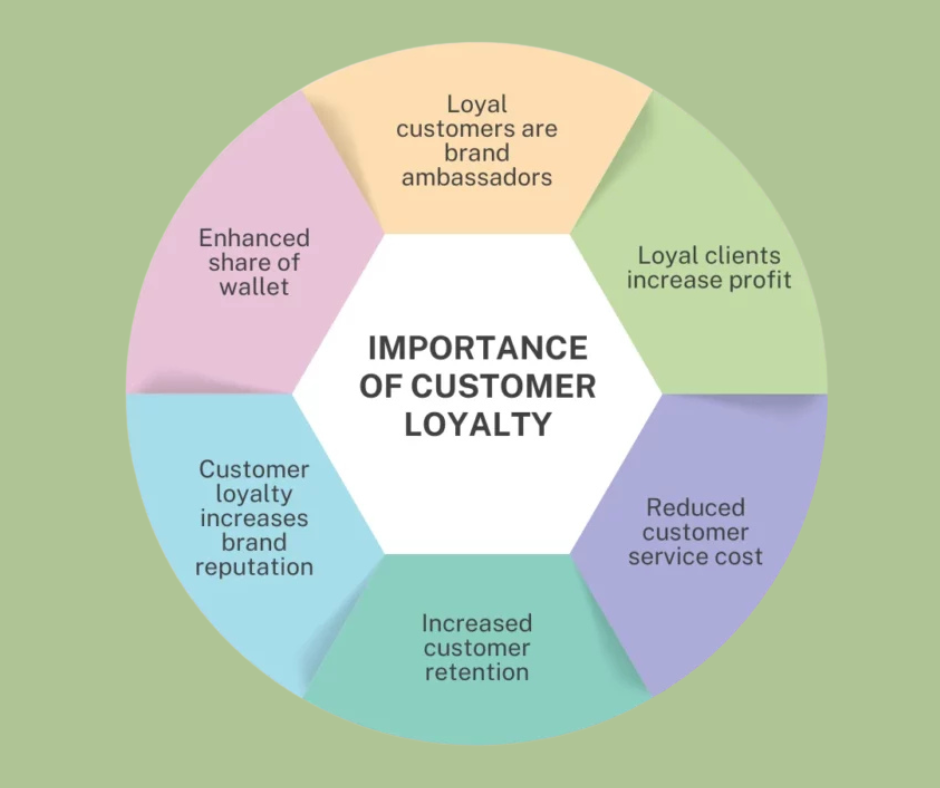
Customer loyalty is a critical driver of long-term business success, with loyal customers contributing up to 65% of revenue for e-commerce brands, according to industry research. Effective product protection fosters loyalty by ensuring products arrive undamaged, meeting or exceeding customer expectations. Loyal customers are not only 60% more likely to make repeat purchases but also act as brand advocates, driving referrals and positive reviews that amplify market reach. Poor product protection, such as inadequate packaging leading to damaged goods, risks losing customers, as 73% of consumers are less likely to repurchase after a negative delivery experience. By investing in smart, secure product protection strategies, businesses can reduce return rates, enhance trust, and build a loyal customer base that fuels sustained growth and competitive advantage in 2025’s dynamic market.
Tailored Packaging Strategies for Different Products
Different products face unique challenges during transit, storage, or use, necessitating specialized product protection solutions. Below, we explore five key product categories, their specific risks, and detailed strategies to ensure their protection, complete with practical examples, technical specifications, and material considerations. A table summarizing the approximate costs of these product protection solutions follows.1. Fragile Products (e.g., Glassware, Ceramics, Electronics)
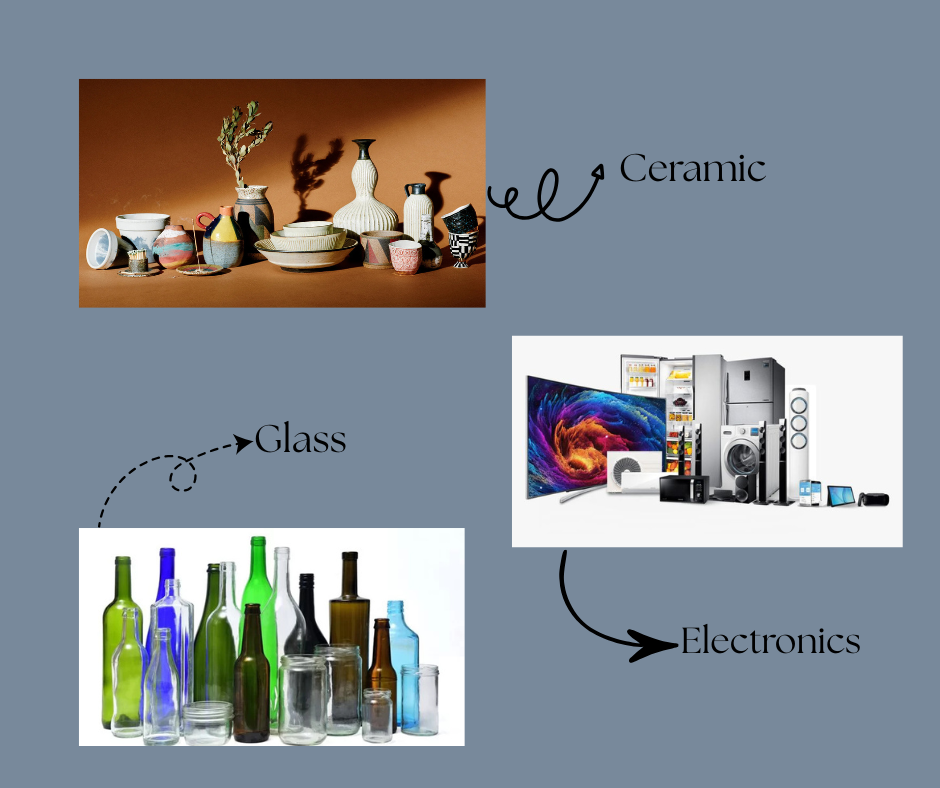 Challenges: Fragile items like glassware (e.g., wine glasses, vases), ceramics (e.g., porcelain plates), or electronics (e.g., smartphones, laptops, OLED TVs) are highly susceptible to breakage, scratches, or internal damage from impacts, vibrations, or improper handling. For electronics, electrostatic discharge (ESD) poses an additional risk to sensitive components like microchips, making product protection critical.
Packaging Solutions for Product Protection:
Challenges: Fragile items like glassware (e.g., wine glasses, vases), ceramics (e.g., porcelain plates), or electronics (e.g., smartphones, laptops, OLED TVs) are highly susceptible to breakage, scratches, or internal damage from impacts, vibrations, or improper handling. For electronics, electrostatic discharge (ESD) poses an additional risk to sensitive components like microchips, making product protection critical.
Packaging Solutions for Product Protection:
- Cushioning Materials: Use high-density polyethylene (HDPE) foam inserts with a density of 1.7-2.2 lb/ft³ for optimal shock absorption, or 2-3 layers of 1/8-inch bubble wrap for lightweight items like glassware. For electronics, custom-molded expanded polystyrene (EPS) foam with a compressive strength of 20-40 psi ensures a snug fit, preventing movement. Inflatable air pillows (made from low-density polyethylene) are cost-effective for filling voids in larger boxes.
- Double-Boxing: Place the product in a fitted inner box (e.g., 200-lb test corrugated cardboard) with 1-inch cushioning on all sides, then pack it into an outer box (e.g., 275-lb test corrugated) with at least 2 inches of additional padding, such as biodegradable loose-fill peanuts or crumpled kraft paper (50 lb/ream).
- Corner Protectors: Apply 2-mm thick corrugated cardboard or polyethylene foam edge guards to protect corners of glassware or ceramics, which can withstand impacts up to 50G. For flat items like mirrors, use L-shaped foam profiles for full-edge coverage.
- Shock and Tilt Indicators: Attach shock indicators (e.g., ShockWatch labels) that activate at 25-50G impact levels, or tilt indicators (e.g., TiltWatch) that show if the package exceeds a 60° tilt, ensuring accountability in logistics.
- Electrostatic Discharge (ESD) Protection: For electronics, use conductive or static-dissipative bags (surface resistivity of 10^6 to 10^9 ohms) or pink poly foam to shield components from static charges. Grounded packaging workstations prevent static buildup during packing.
2. Perishable Products (e.g., Food, Pharmaceuticals)
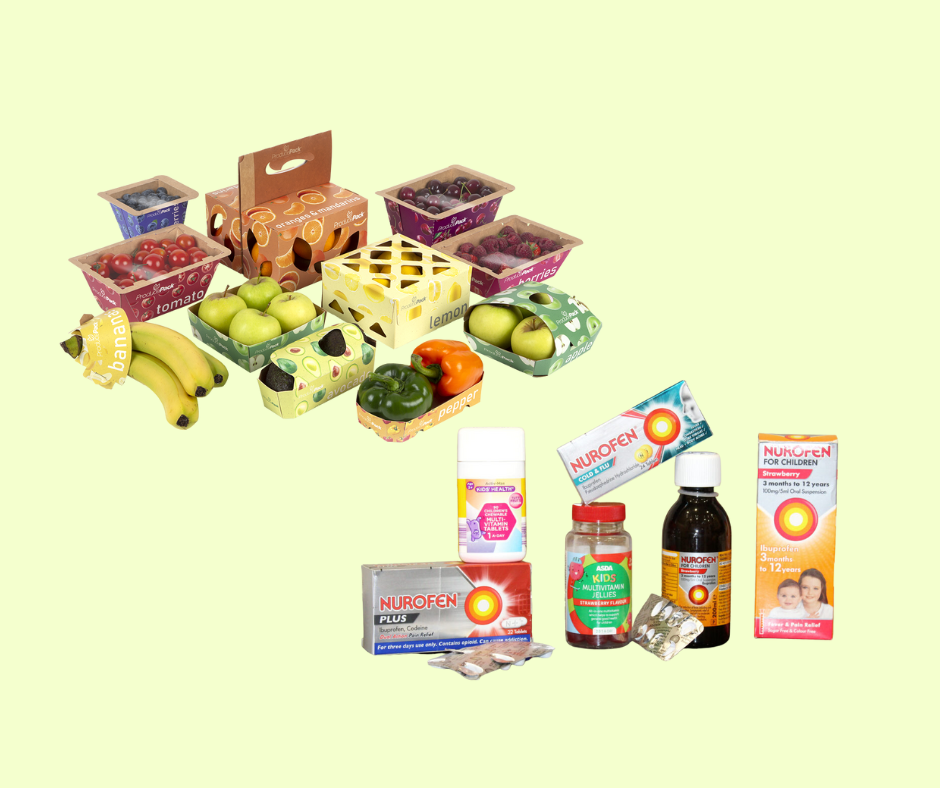 Challenges: Perishable goods like fresh produce (e.g., berries, seafood), frozen foods (e.g., ice cream), or temperature-sensitive pharmaceuticals (e.g., insulin, mRNA vaccines) face risks of spoilage, bacterial growth, or chemical degradation due to temperature excursions (outside 2-8°C for vaccines or -20°C for frozen goods), humidity, or contamination. Regulatory compliance (e.g., FDA, USDA) adds complexity to product protection.
Packaging Solutions for Product Protection:
Challenges: Perishable goods like fresh produce (e.g., berries, seafood), frozen foods (e.g., ice cream), or temperature-sensitive pharmaceuticals (e.g., insulin, mRNA vaccines) face risks of spoilage, bacterial growth, or chemical degradation due to temperature excursions (outside 2-8°C for vaccines or -20°C for frozen goods), humidity, or contamination. Regulatory compliance (e.g., FDA, USDA) adds complexity to product protection.
Packaging Solutions for Product Protection:
- Insulated Packaging: Use expanded polystyrene (EPS) foam boxes (1.5-2.0 lb/ft³ density) with a thermal conductivity of 0.03 W/m·K, paired with gel packs (1-2 lbs, maintaining 0-5°C for 24-48 hours) or dry ice (-78.5°C) for frozen goods. Reflective foil-lined bags or vacuum-insulated panels (VIPs) with R-values of 30-40 provide superior insulation for long shipments.
- Vacuum Sealing: For foods like salmon or cheese, use 3-5 mil thick polyethylene/nylon vacuum bags with an oxygen transmission rate (OTR) of <1 cc/m²/day to prevent oxidation. Multi-layer films with EVOH barriers enhance shelf life by up to 30%.
- Moisture Barriers: Include silica gel packets (10-20g for 1 cu.ft. of space) or molecular sieve desiccants to maintain <40% relative humidity, critical for dry pharmaceuticals or spices. Polyethylene liners (2 mil) prevent moisture ingress in humid climates.
- Tamper-Proof and Leak-Proof Seals: Use induction-sealed lids or tamper-evident shrink bands for jars and bottles, and double-sealed pouches for liquids like soups to prevent leaks. Polypropylene containers with silicone gaskets ensure leak-proof transport.
- Temperature Monitoring: Incorporate time-temperature indicators (e.g., WarmMark or ColdMark) that activate if temperatures exceed 8°C or drop below -20°C, or use digital data loggers (e.g., TempTale) for real-time monitoring with ±0.5°C accuracy.
3. High-Value Products (e.g., Jewelry, Luxury Goods)
 Challenges: High-value items like jewelry (e.g., diamond rings, gold watches) or luxury goods (e.g., designer handbags, limited-edition sneakers) are prime targets for theft, requiring discreet, secure packaging as part of product protection. They also need protection from scratches, deformation, or environmental damage (e.g., moisture for leather goods).
Packaging Solutions for Product Protection:
Challenges: High-value items like jewelry (e.g., diamond rings, gold watches) or luxury goods (e.g., designer handbags, limited-edition sneakers) are prime targets for theft, requiring discreet, secure packaging as part of product protection. They also need protection from scratches, deformation, or environmental damage (e.g., moisture for leather goods).
Packaging Solutions for Product Protection:
- Discreet Outer Packaging: Use plain, 200-lb test corrugated cardboard boxes without branding to minimize theft risk. Inner packaging can include embossed logos or premium finishes (e.g., foil stamping) to reflect luxury.
- Secure Fastenings: Package items in rigid, lockable cases (e.g., ABS plastic or aluminum with combination locks) or padded pouches (e.g., velvet or microfiber, 1-2 mm thick) to prevent movement and protect delicate surfaces from scratches.
- Anti-Theft Measures: Apply tamper-evident tape (tearing upon removal) or RFID tags (active tags with 10-100m range) for real-time tracking. GPS-enabled trackers can be embedded for ultra-high-value items like luxury watches.
- Branded Presentation: Enhance customer experience with elegant inner packaging, such as velvet-lined boxes (with 2-3 mm foam padding), satin bags, or tissue paper with branded ribbons, inside a secure outer layer.
- Moisture and Environmental Protection: Include silica gel packets (5-10g) to maintain <30% humidity for leather goods or metal jewelry, preventing tarnishing or mold. UV-resistant coatings protect items like handbags from sun exposure during transit.
4. Bulky or Heavy Products (e.g., Furniture, Appliances)
Challenges: Large items like furniture (e.g., sofas, dining tables) or appliances (e.g., refrigerators, washing machines) are prone to dents, scratches, or structural damage due to their size, weight (often 50-500 lbs), and complex shapes. Heavy loads require robust product protection to withstand stacking and rough handling. Packaging Solutions for Product Protection:- Reinforced Materials: Use heavy-duty double- or triple-walled corrugated cardboard (350-500 lb test) or wooden crates (e.g., plywood, 3/4-inch thick) to support weights up to 1,000 lbs. Pallets (hardwood or plastic, ISPM-15 compliant) provide a stable base for loads exceeding 50 kg.
- Protective Wraps: Apply 80-gauge stretch film (500% stretch capacity) or 1/4-inch polyethylene foam sheets to shield surfaces from scratches or abrasions. Corrugated cardboard sheets (200 lb test) can wrap flat surfaces like table tops.
- Strapping and Bracing: Secure products to pallets with 1/2-inch polyester strapping (600-800 lb tensile strength) for weights up to 50 kg, or steel strapping (1,000 lb tensile strength) for heavier loads. Internal wooden or foam bracing prevents shifting.
- Edge Protectors: Use 3-mm thick corrugated cardboard or plastic edge guards (50G impact resistance) to protect corners and edges from crushing during stacking or forklift handling.
- Handling Instructions: Include high-visibility labels like “This Side Up,” “Heavy: >50 kg,” or “Do Not Stack” (per ISO 780 standards) to guide logistics providers.
5. Digital Products (e.g., Software, Subscriptions, Digital Downloads)
 Challenges: Digital products like software, e-books, or streaming subscriptions face non-physical risks like data breaches, piracy, unauthorized access, or data corruption. Cybersecurity threats (e.g., hacking, malware) can compromise product protection.
Packaging Solutions for Product Protection:
Challenges: Digital products like software, e-books, or streaming subscriptions face non-physical risks like data breaches, piracy, unauthorized access, or data corruption. Cybersecurity threats (e.g., hacking, malware) can compromise product protection.
Packaging Solutions for Product Protection:
- Encryption: Implement AES-256 encryption for data transmission and storage (processing speed ~1 GB/s on modern servers) to prevent interception. RSA-2048 keys secure user authentication.
- Authentication Systems: Use multi-factor authentication (MFA) with password, SMS codes, or biometric verification (e.g., fingerprint, 99.9% accuracy) to restrict access to authorized users.
- Digital Rights Management (DRM): Apply DRM solutions (e.g., Microsoft PlayReady, Widevine) to prevent unauthorized copying or sharing, with license servers managing access rights.
- Secure Delivery Platforms: Use HTTPS-enabled platforms with TLS 1.3 protocols and secure APIs (e.g., REST with OAuth 2.0) for safe delivery. Cloud providers like AWS or Azure ensure 99.99% uptime.
- Regular Updates: Deploy automated patch management systems (e.g., 1-2 updates/month) to address vulnerabilities, with penetration testing to identify weaknesses (e.g., OWASP Top 10).
Packaging Cost Table
The following table outlines approximate costs for key product protection materials and solutions for each product category, based on industry averages for small to medium businesses (order volumes of 1,000-10,000 units). Costs vary by supplier, customization, and bulk discounts.| Product Category | Key Packaging Solutions | Approximate Cost (Per Unit) | Considerations |
|---|---|---|---|
| Fragile Products | Bubble wrap, HDPE foam inserts, double-boxing (200/275-lb test corrugated), shock/tilt indicators, anti-static bags | $0.10-$0.50 (bubble wrap), $0.50-$2 (foam), $1.50-$5 (boxes), $1-$3 (indicators), $0.20-$1 (bags) | Bulk orders save 10-30%; eco-friendly foam adds 10-20% cost. Custom molds reduce electronics return rates (5-10%). |
| Perishable Products | EPS foam boxes, gel packs/dry ice, vacuum-sealed bags, temperature indicators | $2-$5 (EPS box), $0.50-$3 (gel/dry ice), $0.10-$0.50 (bags), $0.50-$50 (indicators/loggers) | Biodegradable gel packs cost 15-25% more; loggers reusable. Must meet FDA/USDA standards. |
| High-Value Products | Plain corrugated boxes, velvet-lined cases/pouches, tamper-evident tape, RFID tags | $0.50-$2 (boxes), $0.50-$10 (cases/pouches), $0.05-$0.20 (tape), $1-$5 (RFID) | Luxury packaging (10-25% of product cost) enhances unboxing. RFID reusable in supply chain. |
| Bulky/Heavy Products | Triple-walled corrugated/plywood crates, pallets, stretch film, strapping | $2-$50 (boxes/crates), $5-$20 (pallets), $0.10-$0.50 (film), $0.10-$2 (strapping) | Reusable crates/pallets save costs; non-cardboard may incur shipping surcharges. |
| Digital Products | Encryption (AES-256), MFA, DRM, secure cloud platforms | $1,000-$10,000 (encryption, one-time), $0.01-$0.10/user/month (MFA), $1,000-$10,000/year (DRM), $100-$1,000/month (cloud) | Cloud solutions scale with users; audits ($5,000-$20,000/year) ensure security. |
- Costs are per unit unless specified (e.g., digital products use one-time or recurring fees).
- Bulk orders (1,000+ units) reduce physical packaging costs by 10-30%.
- Sustainable materials (e.g., biodegradable foam, recycled cardboard) may increase costs by 10-25% but enhance brand appeal.
- Luxury packaging for high-value products can account for 10-25% of total product cost.
- Digital product costs depend on scale and third-party services; small businesses may use cost-effective cloud solutions.
Best Practices for Effective Product Protection
To ensure comprehensive product protection across all categories, businesses should adopt these best practices:- Packaging Testing: Conduct rigorous tests, such as drop tests (per ASTM D4169 standards), vibration tests, or temperature stress tests, to simulate real-world shipping conditions and verify packaging durability for product protection.
- Sustainability: Use eco-friendly materials like recyclable corrugated cardboard, biodegradable foam, or plant-based plastics to appeal to environmentally conscious consumers while maintaining product protection.
- Clear Labeling: Apply standardized labels (e.g., “Fragile,” “Perishable,” “Handle with Care”) and barcodes for tracking to reduce mishandling and improve logistics efficiency.
- Customer Communication: Provide real-time tracking updates, detailed handling instructions, and unboxing guides to enhance transparency and customer satisfaction as part of product protection.
- Supply Chain Collaboration: Partner with reliable logistics providers and conduct regular audits to ensure consistent handling standards across the supply chain, reinforcing product protection.
Impact on Business Success
 Effective product protection is a strategic driver of business success. Well-protected products reduce return rates, which can cost businesses billions annually—e-commerce returns alone are estimated to cost retailers $600 billion globally each year. By delivering products in perfect condition through robust product protection, businesses foster customer loyalty, as satisfied customers are 60% more likely to make repeat purchases, according to consumer studies. Clear policies on returns, replacements, or warranties further strengthen trust.
For example, companies like Amazon and Apple excel in product protection through secure packaging, efficient logistics, and responsive customer service, contributing to their market dominance. In contrast, poor product protection—such as flimsy boxes or inadequate cushioning—can lead to damaged goods, negative reviews, and reputational damage, as seen in viral complaints about crushed packages.
Effective product protection is a strategic driver of business success. Well-protected products reduce return rates, which can cost businesses billions annually—e-commerce returns alone are estimated to cost retailers $600 billion globally each year. By delivering products in perfect condition through robust product protection, businesses foster customer loyalty, as satisfied customers are 60% more likely to make repeat purchases, according to consumer studies. Clear policies on returns, replacements, or warranties further strengthen trust.
For example, companies like Amazon and Apple excel in product protection through secure packaging, efficient logistics, and responsive customer service, contributing to their market dominance. In contrast, poor product protection—such as flimsy boxes or inadequate cushioning—can lead to damaged goods, negative reviews, and reputational damage, as seen in viral complaints about crushed packages.
Challenges in Product Protection
Despite its benefits, product protection presents challenges:- Cost: High-quality materials like custom foam or insulated packaging can be costly, particularly for small businesses with tight margins.
- Sustainability: Balancing effective product protection with eco-friendly materials requires investment in innovative solutions, such as biodegradable cushioning or reusable crates.
- Global Supply Chains: International shipping involves navigating diverse regulations, customs processes, and handling standards, increasing the risk of damage.
- Scalability: Small businesses may struggle to scale product protection solutions as order volumes grow, requiring automation or outsourcing.
Frequently Asked Questions (FAQs)
- What is the most cost-effective way to achieve product protection for fragile items? For fragile products like glassware or electronics, using bubble wrap ($0.10-$0.50 per unit) and double-boxing with 200-lb test corrugated boxes ($0.50-$2 per inner box) is cost-effective for small to medium businesses. Bulk orders and recycled materials can further reduce product protection costs by 10-20%.
- How can I ensure product protection for perishable goods during shipping? Use insulated EPS foam boxes ($2-$5) with gel packs ($0.50-$2) or dry ice ($1-$3) to maintain required temperatures (e.g., 2-8°C for pharmaceuticals). Time-temperature indicators ($0.50-$2) or digital loggers ($10-$50) ensure compliance with FDA/USDA standards for product protection.
- Are sustainable packaging options as effective for product protection as traditional ones? Yes, sustainable options like biodegradable foam or recycled cardboard offer comparable product protection (e.g., 50G impact resistance for cardboard edge guards). They may cost 10-25% more but appeal to eco-conscious consumers, enhancing brand value.
- How do I ensure product protection for high-value items against theft? Use plain, unbranded corrugated boxes ($0.50-$2) with tamper-evident tape ($0.05-$0.20) and RFID tags ($1-$5) for tracking. For ultra-high-value items, GPS trackers ($10-$50) provide real-time monitoring, reducing theft risks as part of product protection.
- What are the key considerations for product protection of bulky items? Ensure weight distribution with pallets ($5-$20) and use triple-walled corrugated boxes ($2-$10) or plywood crates ($10-$50) for heavy items. Polyester strapping ($0.10-$0.50) and clear labels like “Do Not Stack” minimize handling damage for effective product protection.
- How much does it cost to secure digital products for product protection? Securing digital products involves one-time costs like encryption development ($1,000-$10,000) and recurring costs like MFA ($0.01-$0.10/user/month) or DRM licenses ($1,000-$10,000/year). Cloud platforms like AWS ($100-$1,000/month) are cost-effective for small businesses ensuring product protection.
- How can small businesses afford high-quality product protection? Small businesses can opt for bulk purchases to reduce material costs (e.g., 10-30% savings on corrugated boxes), use cost-effective materials like bubble wrap or air pillows, and partner with third-party logistics providers to streamline supply chain costs for product protection.
- What testing standards should I use for product protection packaging? Use ASTM D4169 for drop and vibration tests (fragile/bulky products) and ISTA 7E for thermal testing (perishable products). These ensure packaging withstands real-world conditions, reducing return rates by up to 10% through robust product protection.
- How do I balance product protection costs with customer expectations? Invest in affordable, high-impact solutions like tamper-evident seals ($0.05-$0.25) and clear labeling ($0.05-$0.20) to enhance trust. For luxury goods, premium inner packaging ($1-$5) improves unboxing experiences without excessive outer packaging costs, supporting product protection.
- What are the risks of poor product protection? Poor product protection leads to damaged goods, increasing return rates (20-30% in e-commerce) and costing businesses up to $600 billion globally annually. It also harms brand reputation through negative reviews and reduces customer loyalty.
- How can I optimize content for the keyword “product protection” for SEO? Aim for a keyword density of 1-1.5% (e.g., 30-50 appearances in a 3,600-word article) by naturally incorporating “product protection” in headings, introductions, and examples. Use related terms like “protecting products” or “product safety” to avoid overstuffing. Ensure content is valuable and engaging to rank higher on search engines while highlighting product protection strategies.