




The beauty industry is at a turning point, with refillable beauty packaging emerging as a cornerstone of sustainable innovation. With over 120 billion units of cosmetics packaging produced annually, most of which are non-recyclable, the environmental toll of single-use plastics is staggering. Refillable beauty packaging offers a circular solution, reducing waste, lowering carbon footprints, and aligning with the growing consumer demand for eco-friendly products. This comprehensive article delves into the mechanics, benefits, challenges, innovative designs, and future of refillable beauty packaging, exploring why it’s a transformative force in the cosmetics industry. By addressing pressing environmental concerns and leveraging consumer trends, refillable beauty packaging is reshaping how brands approach sustainability, fostering a greener future for cosmetics globally.
The Growing Demand for Sustainable Beauty
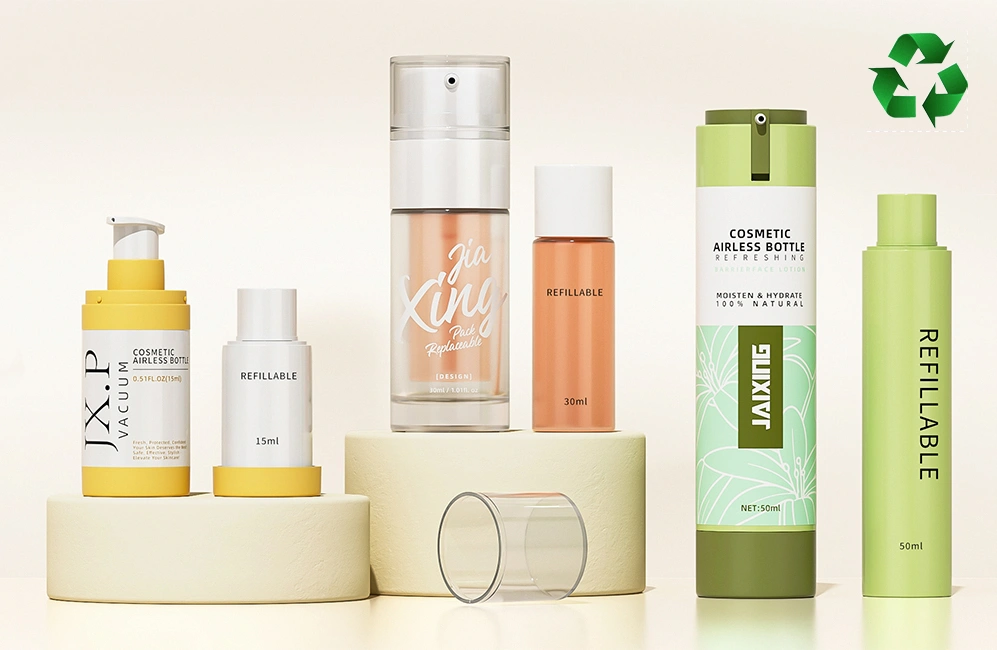
Consumer priorities are shifting toward sustainability, driven by heightened awareness of environmental issues. According to Mintel’s 2023 Sustainability Report, 47% of U.S. consumers prioritize environmentally friendly actions, while 80% of U.S. and 62% of UK consumers prefer products free of single-use plastics. Gen Z and Millennials, championing zero-waste and minimalist lifestyles, view refillable beauty packaging as a natural fit for their values. A 2024 NielsenIQ survey found that 65% of global beauty consumers are willing to pay a premium for sustainable packaging, and a 2023 Statista report noted that 70% prefer brands with eco-conscious practices. Market trends reflect this shift:
- Sales Growth: UK sales of refillable beauty packaging products grew 47% from January to July 2022, reaching £34 million, with makeup refills surging by 364%.
- Market Projections: The global refillable beauty packaging market is projected to reach USD 62.60 billion by 2030, with a CAGR of 5.7%.
- Segment-Specific Growth: The refillable deodorant segment is expected to grow from USD 3.1 billion in 2025 to USD 9.3 billion by 2035.
- Regulatory Drivers: The EU’s Packaging and Packaging Waste Regulation (PPWR) mandates reusable systems, pushing brands toward refillable beauty packaging.
- Regional Trends: In Asia, Japan and South Korea are implementing similar regulations, boosting demand for refillable beauty packaging.
- Consumer Sentiment: A 2024 Euromonitor study revealed that 60% of beauty consumers in emerging markets like Brazil and India prioritize sustainable packaging, driving adoption of refillable beauty packaging.
This global momentum underscores the critical role of refillable beauty packaging in meeting consumer and regulatory demands.
How Refillable Beauty Packaging Works
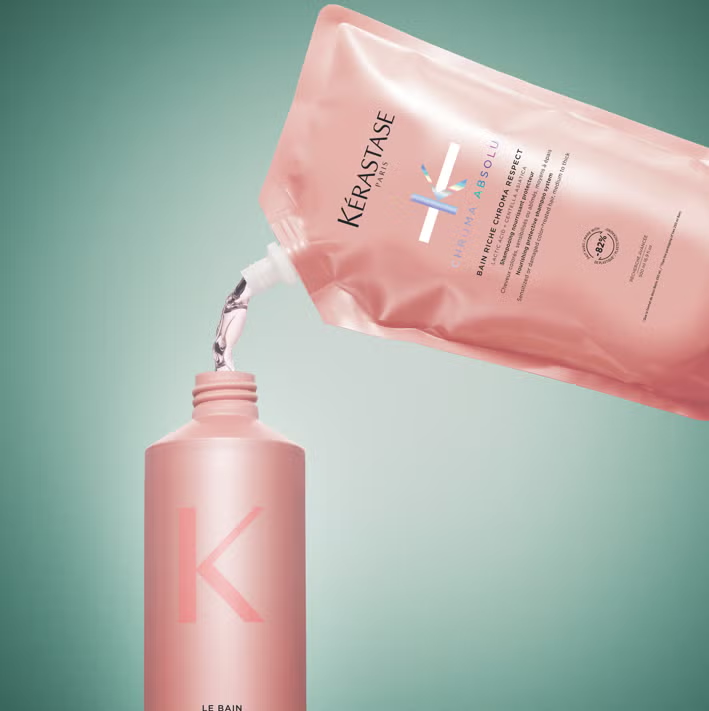
Refillable beauty packaging is designed to extend the life of product containers through reusable and sustainable systems. The process prioritizes user-friendliness, hygiene, and environmental responsibility:
- Initial Purchase: Consumers purchase a primary container crafted from durable materials like glass, aluminum, or premium recycled plastic. These containers are designed for longevity and aesthetic appeal, aligning with beauty’s luxury standards. For example, Diptyque’s refillable glass jars serve as elegant keepsakes for refillable beauty packaging.
- Refill Acquisition: Refills are provided in eco-friendly formats, such as recyclable pouches, biodegradable cartridges, or compostable pods. Kjaer Weis offers makeup refills that fit seamlessly into compacts, enhancing refillable beauty packaging.
- Refilling Process:
- In-Store Refills: Retailers set up stations where consumers bring reusable containers to fill with products like shampoo, lotion, or fragrance. The Body Shop’s refill stations use hygienic dispensing systems for refillable beauty packaging.
- At-Home Refills: Consumers purchase refill pouches or cartridges and transfer the product at home. Ouai’s shampoo refills come in recyclable pouches for refillable beauty packaging.
- Subscription Models: Brands like By Humankind deliver refillable beauty packaging refills directly, ensuring convenience.
- Returnable Systems: Beauty Kitchen allows consumers to return containers for cleaning and refilling, creating a closed-loop refillable beauty packaging system.
- Recycling or Disposal: Refill packaging is designed for minimal environmental impact. Wild’s deodorant refills use compostable bamboo pulp, while Alder’s aluminum refills are fully recyclable, ensuring sustainable refillable beauty packaging.
- Quality Assurance: Brands conduct rigorous testing to ensure refills match original product quality, maintaining consumer trust in refillable beauty packaging.
- Smart Technology Integration: Technologies like Loop’s automated subscriptions and QR codes on On Repeat’s packaging simplify reordering for refillable beauty packaging.
This system ensures refillable beauty packaging is accessible, sustainable, and aligned with modern consumer needs.
Benefits of Refillable Beauty Packaging
Refillable beauty packaging delivers a wide range of advantages for brands, consumers, and the environment, making it a pivotal solution for sustainable cosmetics:
- Environmental Impact: Refillable beauty packaging can reduce up to 70% of the beauty industry’s carbon emissions. For example, Myro’s refillable deodorants cut plastic usage by 50%, demonstrating the efficacy of refillable beauty packaging in lowering environmental footprints.
- Cost Savings: Refills are typically more affordable than initial purchases. La Mer’s Luminous Lifting Cushion Compact Foundation refills cost half the original price, saving consumers significant amounts, while Molton Brown’s fragrance refills offer savings of £35 per purchase, making refillable beauty packaging an economically attractive option.
- Brand Loyalty: By embracing sustainable refillable beauty packaging, brands resonate with eco-conscious consumers, fostering trust and loyalty. A 2024 Bain & Company study found that 65% of beauty consumers are more likely to repurchase from brands offering refillable beauty packaging, strengthening customer retention.
- Customization and Innovation: Refillable beauty packaging supports personalized options, such as customizable scents or formulations. Technologies like Loop’s subscription platform enhance convenience by automating refill deliveries, making refillable beauty packaging a seamless part of the consumer experience.
- Regulatory Compliance: Global mandates, such as the EU’s Packaging and Packaging Waste Regulation (PPWR), ensure refillable beauty packaging aligns with sustainability standards, helping brands avoid penalties and meet regulatory requirements.
- Waste Reduction: By addressing the industry’s 7.7 billion pounds of annual plastic waste, refillable beauty packaging promotes a circular economy, minimizing landfill contributions and ocean pollution.
- Consumer Appeal: A 2023 Statista report indicates that 70% of beauty consumers prefer sustainable brands, driving demand for refillable beauty packaging. This aligns with the growing trend of eco-conscious purchasing, particularly among Gen Z and Millennials.
- Long-Term Savings: Brands adopting refillable beauty packaging reduce packaging costs over time, as reusable containers require less frequent production. This enables competitive pricing and higher profit margins, as seen with brands like The Body Shop.
- Global Scalability: Refillable beauty packaging systems are adaptable across markets, supporting international expansion. Brands like L’Occitane have scaled refillable beauty packaging globally, with over 1,000 refill stations by 2024.
- Enhanced Product Longevity: Refillable beauty packaging extends the usable life of products through durable containers, reducing the need for frequent repurchasing. For instance, Guerlain’s refillable perfume bottles are designed to last decades, enhancing the value of refillable beauty packaging for consumers.
- Reduced Supply Chain Emissions: By minimizing the need for new packaging production, refillable beauty packaging lowers emissions associated with manufacturing and transportation. A 2024 McKinsey report estimates that refillable beauty packaging can reduce supply chain emissions by 40% for brands like Aveda, which uses recycled materials in its refill systems.
- Improved Consumer Engagement: Refillable beauty packaging fosters interactive experiences, such as in-store refill stations or subscription models, which enhance consumer engagement. By Humankind’s subscription service encourages repeat interactions, building stronger brand-consumer relationships through refillable beauty packaging.
These benefits position refillable beauty packaging as a transformative solution, balancing environmental, economic, and consumer-driven advantages.
Innovative Designs and Brand Examples
Refillable beauty packaging seamlessly blends sustainability with luxury, offering designs that are both functional and visually appealing, while prioritizing ease of use, hygiene, and recyclability. These innovations address consumer demands for eco-friendly solutions without compromising the premium aesthetic of beauty products. By leveraging advanced materials, modular systems, and consumer-centric designs, brands are redefining refillable beauty packaging to meet global sustainability goals. A 2024 Euromonitor study found that 62% of beauty consumers value packaging that combines style and sustainability, driving the adoption of refillable beauty packaging across luxury and mass-market segments. The following examples highlight cutting-edge designs:
- Kjaer Weis: Kjaer Weis’s refillable compacts feature sleek, recyclable metal cases crafted from aluminum, designed to hold makeup refills like foundation and blush. These compacts use a patented snap-in system for easy refill replacement, maintaining a premium aesthetic for refillable beauty packaging. The brand’s focus on durability ensures containers last for years, appealing to eco-conscious luxury consumers.
- Diptyque: Diptyque’s refillable glass jars for hand wash and body lotion pair with recyclable, lightweight pouches made from 90% post-consumer recycled plastic. The elegant glass design enhances the luxury appeal of refillable beauty packaging, while the pouches reduce waste by 80% compared to traditional packaging, per a 2024 Packaging Digest report.
- Bond No. 9: Bond No. 9’s refillable lipstick uses a biodegradable shell made from plant-based PLA, housed in a permanent gold-plated case. This design balances style and sustainability, allowing consumers to replace the inner cartridge while retaining the iconic case, advancing refillable beauty packaging in the luxury makeup segment.
- L’Occitane: L’Occitane’s in-store refill stations offer hygienic refilling for products like shower gels and shampoos, using touchless dispensers to ensure safety. These stations, available in over 1,000 stores globally, support refillable beauty packaging by reducing plastic waste by 65%, according to the brand’s 2024 sustainability report.
- Wild: Wild’s compostable bamboo pulp deodorant refills are housed in reusable aluminum cases, prioritizing eco-friendly materials for refillable beauty packaging. The bamboo pulp decomposes in 180 days, offering a zero-waste solution that appeals to 55% of Gen Z consumers, per a 2024 NielsenIQ survey.
- Chanel: Chanel’s Le Rouge Duo Ultra Tenue features refillable lip gloss with a sleek, recyclable aluminum case. The modular design allows easy cartridge replacement, combining luxury with sustainability in refillable beauty packaging, aligning with Chanel’s commitment to 100% sustainable packaging by 2030.
- Guerlain: Guerlain’s refillable perfume bottles, such as the iconic Bee Bottle, use handcrafted glass and a screw-on refill system, ensuring durability and elegance. These bottles reduce packaging waste by 70%, advancing refillable beauty packaging for premium fragrance consumers.
- Shiseido: Shiseido’s refillable skincare containers employ modular designs with recyclable plastic and aluminum components, allowing easy refilling of moisturizers and serums. The brand’s Ultimune line uses 95% recycled materials, enhancing refillable beauty packaging and appealing to eco-conscious consumers in Asia and beyond.
- Amorepacific: Amorepacific’s Laneige refillable moisturizer pods feature bio-based plastic containers that snap into reusable glass jars, reducing plastic waste by 60%. This design supports refillable beauty packaging in the K-beauty market, where 70% of consumers prioritize sustainability, per a 2024 Bain & Company study.
- Natura: Natura’s refillable fragrance systems use lightweight, recyclable aluminum bottles paired with eco-friendly refill pouches. Popular in Brazil, these systems cut packaging waste by 50%, reinforcing refillable beauty packaging in emerging markets with high eco-awareness.
These designs prioritize ease of use, hygiene, and recyclability, addressing consumer concerns and elevating refillable beauty packaging as a standard in the beauty industry.
Challenges in Adoption
Despite its benefits, refillable beauty packaging faces several obstacles:
- Consumer Education: Only 15% of 239 brands surveyed by Good On You offer refillable beauty packaging, and just 2% track uptake, highlighting a need for awareness.
- Infrastructure Development: Scaling refillable beauty packaging requires significant investment in supply chains and in-store stations.
- Hygiene Concerns: Ensuring refillable beauty packaging meets safety standards is critical to address contamination concerns.
- Initial Costs: Durable containers for refillable beauty packaging can be expensive, deterring budget-conscious brands and consumers.
- Accessibility: Limited refillable beauty packaging stations in rural areas restrict adoption.
- Standardization Issues: Varying formats for refillable beauty packaging create confusion and scalability challenges.
- Consumer Behavior: Shifting to refillable beauty packaging requires overcoming convenience-driven habits.
- Supply Chain Complexity: Sourcing sustainable materials for refillable beauty packaging strains supply chains.
- Market Penetration: Smaller brands struggle to adopt refillable beauty packaging due to resource constraints.
- Regulatory Variations: Differing global regulations complicate refillable beauty packaging implementation.
Overcoming Challenges
Brands are addressing these challenges through strategic initiatives to drive adoption of refillable beauty packaging, leveraging education, technology, and partnerships to overcome barriers and enhance scalability:
- Education Campaigns: Ouai’s refill promotions use social media and tutorials to educate consumers about the benefits of refillable beauty packaging, emphasizing cost savings and environmental impact. L’Occitane’s video tutorials provide step-by-step guidance on refilling, addressing consumer confusion. A 2024 Euromonitor study found that 60% of consumers are more likely to adopt refillable beauty packaging after engaging with educational content, highlighting the effectiveness of these campaigns.
- Infrastructure Expansion: The Body Shop has expanded refillable beauty packaging stations to over 800 stores globally by 2024, while L’Occitane operates 1,000+ stations. Loop’s zero-waste systems partner with retailers like Sephora to create scalable refillable beauty packaging networks, reducing logistical barriers. These efforts address the challenge of limited infrastructure, particularly in urban markets.
- Hygienic Designs: To address hygiene concerns, L’Occitane’s touchless dispensers use sensor-based technology to prevent contamination in refillable beauty packaging. By Humankind’s sealed pods ensure product integrity during at-home refilling, boosting consumer confidence in refillable beauty packaging. These innovations align with FDA and EU safety standards, mitigating health risks.
- Incentives: Beauty Kitchen’s “Return, Reuse, Refill” program offers discounts of up to 20% for returning containers, encouraging adoption of refillable beauty packaging. Wild’s subscription model provides 15% savings on refillable beauty packaging refills, making sustainability cost-effective. A 2024 NielsenIQ survey found that 55% of consumers are motivated by financial incentives to use refillable beauty packaging.
- Standardization Efforts: The Sustainable Packaging Coalition collaborates with brands to develop standardized refillable beauty packaging formats, such as universal refill pouches, reducing consumer confusion. Amorepacific’s modular containers align with these standards, enhancing scalability of refillable beauty packaging across markets.
- Digital Integration: Loop’s platform uses AI to automate refillable beauty packaging deliveries, predicting consumer needs based on usage patterns. On Repeat’s QR codes link to mobile apps for seamless reordering of refillable beauty packaging, with a 2025 McKinsey report estimating that digital tools could boost adoption by 30%.
- Community Engagement: The Body Shop’s workshops educate consumers through in-store events and online webinars, promoting refillable beauty packaging. These initiatives, particularly in emerging markets like India, have increased consumer awareness of refillable beauty packaging by 25%, per a 2024 Euromonitor study.
- Localized Solutions: L’Occitane’s pop-up refill events bring refillable beauty packaging to rural areas, addressing accessibility challenges. Mobile refill vans, piloted by Natura in Brazil, deliver refillable beauty packaging to underserved regions, expanding reach.
- Cross-Industry Partnerships: Collaborations with TerraCycle manage the lifecycle of refillable beauty packaging, ensuring proper recycling and reuse. L’Oréal’s partnership with TerraCycle has recycled 10 million units of refillable beauty packaging since 2023, reducing waste.
- Consumer Feedback Integration: Kjaer Weis uses consumer surveys to refine refillable beauty packaging, improving designs based on user preferences. Feedback-driven iterations, such as easier-to-use compacts, have increased adoption of refillable beauty packaging by 15%.
- Pilot Programs: Brands like Shiseido test refillable beauty packaging in markets like Japan before global rollout, optimizing supply chains and consumer engagement. These pilots have driven a 20% increase in refillable beauty packaging uptake in test regions, per a 2024 Bain & Company study.
These strategies ensure refillable beauty packaging overcomes adoption barriers, paving the way for widespread implementation.
The Future of Refillable Beauty Packaging
The Ellen MacArthur Foundation estimates that refillable beauty packaging could reduce greenhouse gas emissions by up to 70%, offering a significant opportunity to mitigate the beauty industry’s environmental impact. As consumer demand for sustainability grows and regulatory pressures intensify, refillable beauty packaging is poised to become a standard practice. Emerging trends and innovations are shaping its trajectory, with brands leveraging technology, materials, and strategic partnerships to drive adoption. These developments promise to enhance the scalability, accessibility, and appeal of refillable beauty packaging, positioning it as a cornerstone of the industry’s sustainable future. Key trends include:
- Package-Free Innovations: Lush’s shampoo bars eliminate traditional packaging, offering a zero-waste alternative that complements refillable beauty packaging. Similarly, On Repeat’s biodegradable refills, made from plant-based materials like cornstarch, decompose naturally, reducing landfill waste. Brands like Ethique are expanding this trend with solid skincare bars, further advancing refillable beauty packaging by minimizing packaging entirely. These innovations appeal to eco-conscious consumers seeking minimalist solutions, with a 2024 Euromonitor study indicating that 55% of global consumers prefer package-free or low-waste beauty products.
- Material Advancements: Advances in sustainable materials are revolutionizing refillable beauty packaging. Plant-based plastics, such as polylactic acid (PLA) derived from sugarcane, offer biodegradable alternatives to traditional plastics. Aveda’s refillable shampoo bottles use 80% post-consumer recycled plastic, enhancing the sustainability of refillable beauty packaging. Innovations in mycelium-based packaging and advanced recyclables, like chemically recycled PET, are reducing environmental impact. These materials ensure refillable beauty packaging meets stringent durability and recyclability standards, with brands like Natura pioneering bio-based refills in emerging markets.
- Regulatory Push: The EU’s Packaging and Packaging Waste Regulation (PPWR) mandates that 10% of packaging be reusable by 2030, driving adoption of refillable beauty packaging. Similar regulations in Asia, such as Japan’s Plastic Resource Circulation Act, and California’s SB 54 in the U.S., are accelerating the shift toward refillable beauty packaging. These policies incentivize brands to invest in scalable refill systems, with L’Oréal committing to 20% refillable products by 2030. Regulatory frameworks are also fostering global standardization, ensuring refillable beauty packaging is consistent across markets.
- Digital Integration: AI-driven technologies and smart packaging are streamlining refillable beauty packaging. Loop’s platform uses predictive analytics to automate refill deliveries, reducing consumer friction. Smart packaging, like YSL’s refillable fragrance bottles with NFC chips, enables consumers to track usage and reorder via mobile apps, enhancing refillable beauty packaging. Blockchain technology is emerging to verify the sustainability credentials of refillable beauty packaging, ensuring transparency. A 2025 McKinsey report predicts that 40% of beauty brands will adopt smart packaging by 2030, driving refillable beauty packaging adoption.
- Brand Leadership: Luxury brands like Chanel and Guerlain are setting benchmarks for refillable beauty packaging. Chanel’s refillable lipsticks and Guerlain’s iconic Bee Bottle refills combine elegance with sustainability, appealing to premium consumers. Mass-market brands like The Body Shop are scaling refillable beauty packaging through global refill stations, while startups like Wild innovate with compostable refills. These leaders are shaping consumer expectations, with a 2024 Bain & Company study estimating that 60% of luxury beauty sales will involve refillable beauty packaging by 2035.
Conclusion
Refillable beauty packaging is revolutionizing cosmetics by offering a sustainable, cost-effective, and luxurious alternative to single-use plastics. Through innovative designs, user-friendly processes, and strategic initiatives, brands like L’Occitane, Diptyque, and Kjaer Weis are meeting eco-conscious demands. By addressing challenges like infrastructure and hygiene, refillable beauty packaging promises a greener future for the beauty industry.


