Table of Contents
Food safe packaging solutions for your business are critical for ensuring product safety, regulatory compliance, and customer satisfaction in the food industry. These solutions protect food from chemical, biological, and physical contaminants, preserve quality during storage and transport, and meet consumer demands for sustainability and safety. For restaurants, bakeries, meal kit providers, and catering services, selecting effective food safe packaging is vital for operational success and brand differentiation. The global food packaging market, projected to reach $485.6 billion by 2029, underscores the importance of these solutions MarketsandMarkets, 2024.
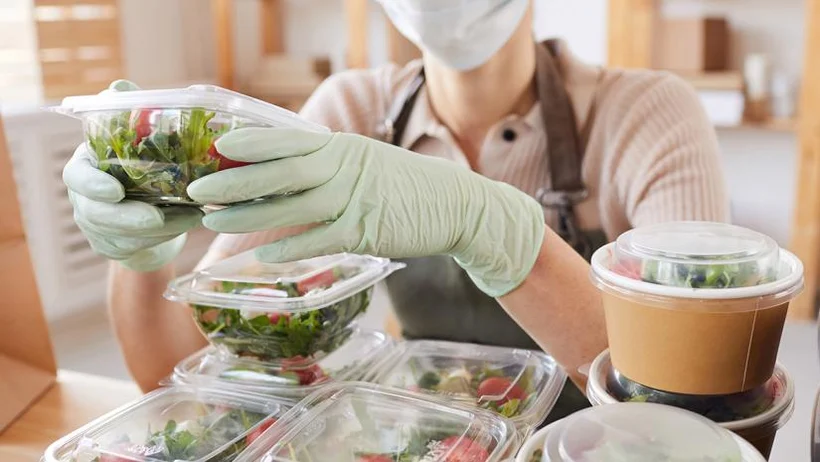 Food safe packaging solutions for your business encompass materials and containers engineered to interact with food without compromising its safety or quality. These solutions prevent chemical migration, microbial contamination, and physical damage while preserving sensory attributes like taste and texture. Regulatory bodies, such as the FDA and the European Food Safety Authority (EFSA), enforce strict standards to ensure compliance.
Improper food safe packaging contributes to 12% of foodborne illness incidents, highlighting its critical role Food Packaging Forum, 2024. Food safe packaging solutions for your business extend shelf life by up to 25%, reducing spoilage and waste Journal of Food Science, 2024. With 80% of consumers prioritizing certified food safe packaging, businesses must adopt reliable solutions to enhance trust Nielsen, 2024.
Food safe packaging solutions for your business encompass materials and containers engineered to interact with food without compromising its safety or quality. These solutions prevent chemical migration, microbial contamination, and physical damage while preserving sensory attributes like taste and texture. Regulatory bodies, such as the FDA and the European Food Safety Authority (EFSA), enforce strict standards to ensure compliance.
Improper food safe packaging contributes to 12% of foodborne illness incidents, highlighting its critical role Food Packaging Forum, 2024. Food safe packaging solutions for your business extend shelf life by up to 25%, reducing spoilage and waste Journal of Food Science, 2024. With 80% of consumers prioritizing certified food safe packaging, businesses must adopt reliable solutions to enhance trust Nielsen, 2024.
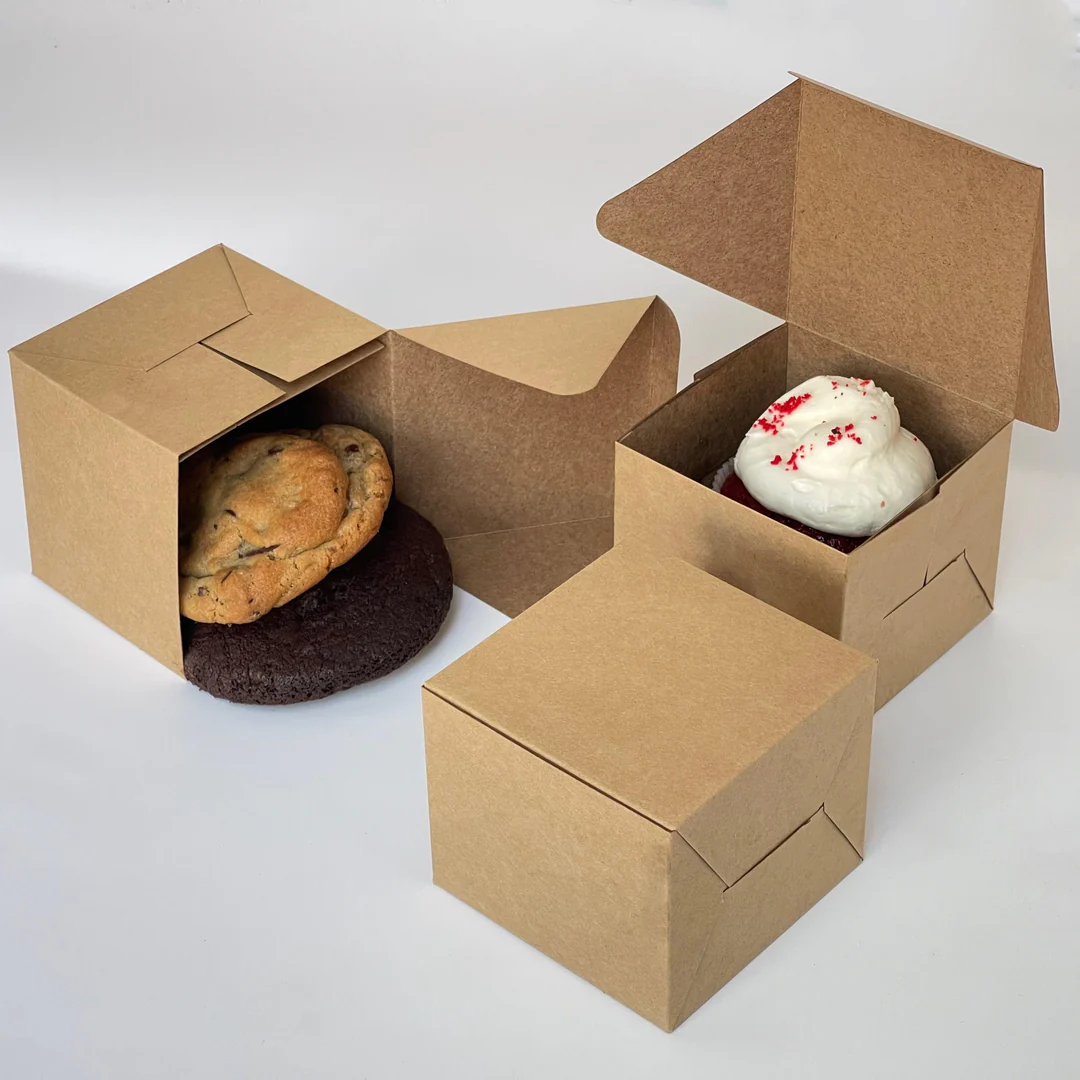 Cardboard and paperboard, derived from cellulose fibers sourced from virgin or recycled wood pulp, are staples in food-safe packaging due to their affordability, versatility, and recyclability. Food-grade paperboard is coated with polyethylene (PE) or wax to create barriers against moisture and grease, making it ideal for pizza boxes, bakery containers, and takeout packaging. With a density of 300-700 g/m² and tensile strength of 20-40 MPa, paperboard provides structural integrity for lightweight applications.
Its water vapor transmission rate (WVTR) of 10-20 g/m²/day protects perishable items like pastries. Compliance with FDA 21 CFR 176.170 ensures no volatile organic compounds (VOCs) transfer to food, verified through migration testing. A 2024 Packaging Digest report noted that paperboard accounts for 45% of U.S. food packaging, with unit costs of $0.50-$2.00, driven by its recyclability and customization potential.
Cardboard and paperboard, derived from cellulose fibers sourced from virgin or recycled wood pulp, are staples in food-safe packaging due to their affordability, versatility, and recyclability. Food-grade paperboard is coated with polyethylene (PE) or wax to create barriers against moisture and grease, making it ideal for pizza boxes, bakery containers, and takeout packaging. With a density of 300-700 g/m² and tensile strength of 20-40 MPa, paperboard provides structural integrity for lightweight applications.
Its water vapor transmission rate (WVTR) of 10-20 g/m²/day protects perishable items like pastries. Compliance with FDA 21 CFR 176.170 ensures no volatile organic compounds (VOCs) transfer to food, verified through migration testing. A 2024 Packaging Digest report noted that paperboard accounts for 45% of U.S. food packaging, with unit costs of $0.50-$2.00, driven by its recyclability and customization potential.
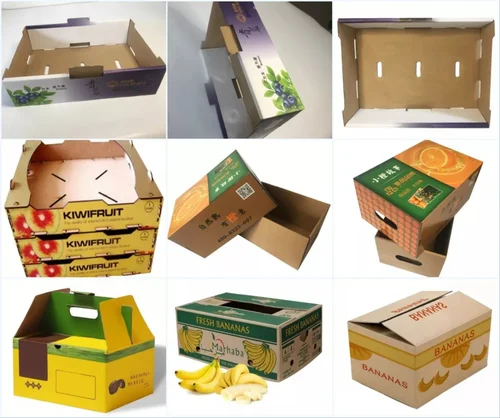 Corrugated fiberboard, featuring a fluted core between linerboards, is designed for durability and insulation in shipping and bulk transport. Food-safe grades use FDA-approved adhesives, like starch-based glues, and liners, such as PE coatings, complying with 21 CFR 176.180 for dry food contact and specific migration limits for wet foods. With a compressive strength of 200-275 psi and thermal conductivity of 0.06-0.08 W/m·K, corrugated boxes protect perishable goods like meal kits.
A standard 18x12x10-inch box with a 150-lb test rating supports up to 50 pounds. Corrugated fiberboard provides durability for food safe packaging solutions for your business, used in shipping. Corrugated packaging holds a 38% share of global food shipping Packaging Strategies, 2024.
Corrugated fiberboard, featuring a fluted core between linerboards, is designed for durability and insulation in shipping and bulk transport. Food-safe grades use FDA-approved adhesives, like starch-based glues, and liners, such as PE coatings, complying with 21 CFR 176.180 for dry food contact and specific migration limits for wet foods. With a compressive strength of 200-275 psi and thermal conductivity of 0.06-0.08 W/m·K, corrugated boxes protect perishable goods like meal kits.
A standard 18x12x10-inch box with a 150-lb test rating supports up to 50 pounds. Corrugated fiberboard provides durability for food safe packaging solutions for your business, used in shipping. Corrugated packaging holds a 38% share of global food shipping Packaging Strategies, 2024.
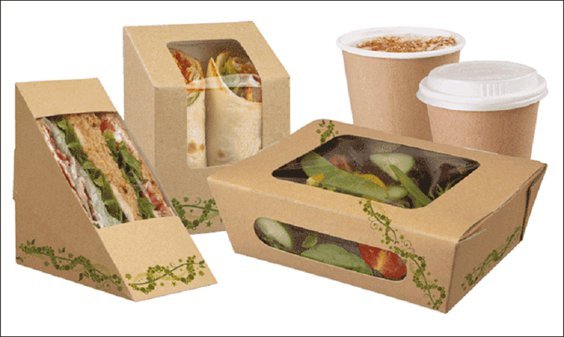 Biodegradable materials, such as polylactic acid (PLA) and sugarcane bagasse, address sustainability demands while ensuring food safety. PLA, synthesized from fermented plant starch, decomposes under industrial composting conditions, achieving 90% decomposition within 180 days per ASTM D6400. Bagasse, a sugarcane byproduct, forms rigid containers with a 500-1000 mL capacity and 200°F temperature tolerance. PLA’s tensile strength of 50 MPa and WVTR of 150 g/m²/day suit short-term applications like takeout containers.
These materials meet EN 13432 and FDA GRAS standards, ensuring no harmful migration. The biodegradable packaging market is projected to grow at a 7.1% CAGR through 2030, per a 2024 Grand View Research report, driven by consumer demand for eco-friendly solutions, though costs ($1.00-$3.00 per unit) remain higher than cardboard.
Biodegradable materials, such as polylactic acid (PLA) and sugarcane bagasse, address sustainability demands while ensuring food safety. PLA, synthesized from fermented plant starch, decomposes under industrial composting conditions, achieving 90% decomposition within 180 days per ASTM D6400. Bagasse, a sugarcane byproduct, forms rigid containers with a 500-1000 mL capacity and 200°F temperature tolerance. PLA’s tensile strength of 50 MPa and WVTR of 150 g/m²/day suit short-term applications like takeout containers.
These materials meet EN 13432 and FDA GRAS standards, ensuring no harmful migration. The biodegradable packaging market is projected to grow at a 7.1% CAGR through 2030, per a 2024 Grand View Research report, driven by consumer demand for eco-friendly solutions, though costs ($1.00-$3.00 per unit) remain higher than cardboard.
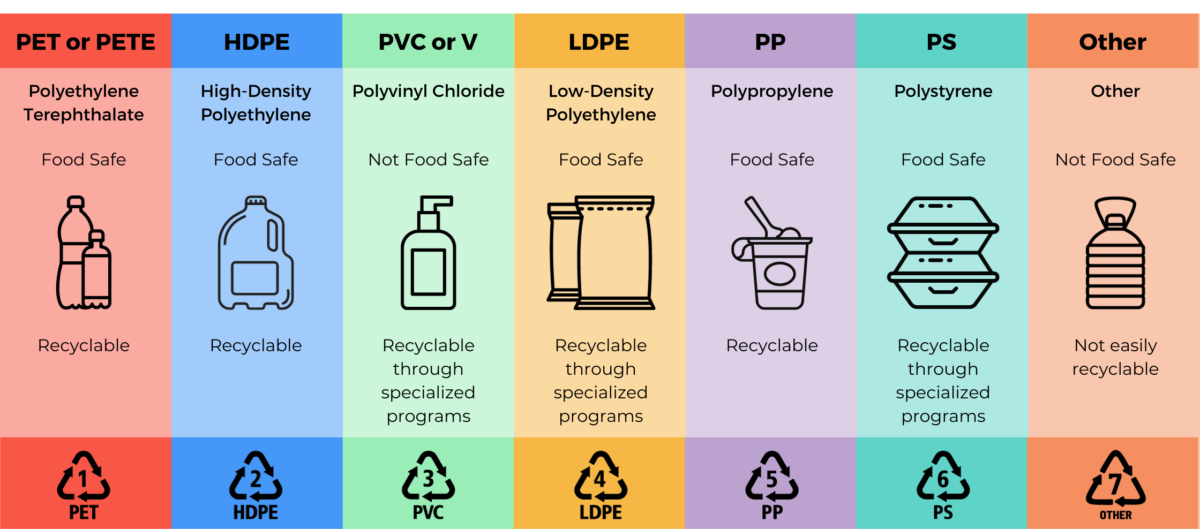 Food-grade plastics, like polyethylene terephthalate (PET) and polypropylene (PP), offer lightweight durability. PET, with a tensile strength of 55-75 MPa and oxygen transmission rate (OTR) of 50-100 cm³/m²/day, preserves freshness in beverages and meal prep containers. PP withstands temperatures up to 250°F, ideal for microwaveable packaging. Both comply with FDA 21 CFR 177.1520 and 177.1630, ensuring no BPA or phthalate migration.
PET’s 95% recyclability and clarity make it popular, holding a 32% share of food-safe plastic packaging, per a 2024 Plastics Today report. These plastics are cost-effective ($0.30-$1.50 per unit) and versatile for applications like sauce cups and bottles.
Food-grade plastics, like polyethylene terephthalate (PET) and polypropylene (PP), offer lightweight durability. PET, with a tensile strength of 55-75 MPa and oxygen transmission rate (OTR) of 50-100 cm³/m²/day, preserves freshness in beverages and meal prep containers. PP withstands temperatures up to 250°F, ideal for microwaveable packaging. Both comply with FDA 21 CFR 177.1520 and 177.1630, ensuring no BPA or phthalate migration.
PET’s 95% recyclability and clarity make it popular, holding a 32% share of food-safe plastic packaging, per a 2024 Plastics Today report. These plastics are cost-effective ($0.30-$1.50 per unit) and versatile for applications like sauce cups and bottles.
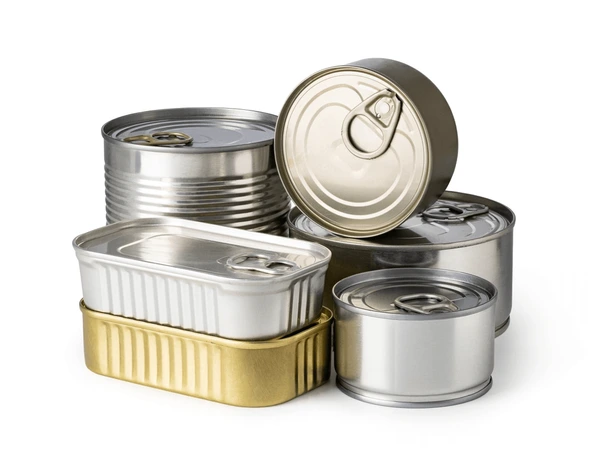 Aluminum and stainless steel containers provide heat retention and durability for hot foods and catering. Food-grade aluminum (99.5% purity) has a thermal conductivity of 237 W/m·K, while 304/316 stainless steel resists corrosion and handles temperatures up to 500°F. A 12x8-inch aluminum tray holds 1.5 liters, ideal for casseroles. These materials meet FDA 21 CFR 177.1520 for coatings and GRAS standards.
Aluminum’s 75% U.S. recycling rate, per 2024 EPA data, enhances its sustainability. Stainless steel’s reusability suits subscription services, though higher costs ($2.00-$5.00 per unit) limit widespread use.
Aluminum and stainless steel containers provide heat retention and durability for hot foods and catering. Food-grade aluminum (99.5% purity) has a thermal conductivity of 237 W/m·K, while 304/316 stainless steel resists corrosion and handles temperatures up to 500°F. A 12x8-inch aluminum tray holds 1.5 liters, ideal for casseroles. These materials meet FDA 21 CFR 177.1520 for coatings and GRAS standards.
Aluminum’s 75% U.S. recycling rate, per 2024 EPA data, enhances its sustainability. Stainless steel’s reusability suits subscription services, though higher costs ($2.00-$5.00 per unit) limit widespread use.
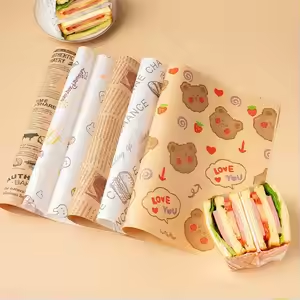 Glassine and greaseproof paper, treated with starch or polyvinyl alcohol (PVOH), resist grease and moisture for wrapping sandwiches or pastries. With a thickness of 25-50 µm and a grease resistance rating of Kit 5-7 (TAPPI T559), these papers have a WVTR of 50-100 g/m²/day. They comply with FDA 21 CFR 176.170, making them cost-effective ($0.10-$0.50 per sheet) for short-term use. A 12x12-inch sheet is standard for food trucks, offering lightweight protection without compromising safety.
Understanding Food Safe Packaging
Food safe packaging solutions for your business encompass materials and containers engineered to interact with food without compromising its safety or quality. These solutions prevent chemical migration, microbial contamination, and physical damage while preserving sensory attributes like taste and texture. Regulatory bodies, such as the FDA and the European Food Safety Authority (EFSA), enforce strict standards to ensure compliance.
Improper food safe packaging contributes to 12% of foodborne illness incidents, highlighting its critical role Food Packaging Forum, 2024. Food safe packaging solutions for your business extend shelf life by up to 25%, reducing spoilage and waste Journal of Food Science, 2024. With 80% of consumers prioritizing certified food safe packaging, businesses must adopt reliable solutions to enhance trust Nielsen, 2024.
Regulatory Frameworks for Food Safe Packaging
FDA Standards in the United States
The FDA regulates food safe packaging solutions for your business under the Code of Federal Regulations (CFR) Title 21, Parts 170-199, ensuring materials pose no health risks FDA, 2024. Materials must be “generally recognized as safe” (GRAS) or approved via a Food Contact Notification (FCN), requiring data on composition, manufacturing, and migration behavior under conditions like 10% ethanol at 40°C for 10 days. Specific migration limits (SMLs), such as 0.05 mg/kg for monomers, ensure safety. Non-compliance can lead to penalties, as seen in a 2023 case where a dairy manufacturer paid a $1.8 million fine for non-FDA-approved coatings USDA, 2023. Businesses must verify supplier certifications to ensure food safe packaging solutions for your business meet these standards Packaging Strategies, 2024.European Union Regulations
In the EU, Regulation (EC) No 1935/2004 governs food safe packaging solutions for your business, ensuring materials do not transfer harmful substances or alter food properties EFSA, 2024. Compliance requires Good Manufacturing Practices (GMP) for traceability. Specific regulations, like EU 10/2011 for plastics, set an overall migration limit of 10 mg/dm² EFSA, 2024. Non-compliance can result in EU-wide product bans. A 2024 recall of non-compliant plastic containers cost a supplier €2 million European Commission, 2024. Businesses must ensure suppliers provide migration test reports to meet these standards, ensuring food safe packaging solutions for your business are compliant globally.Global Regulatory Standards
Globally, food safe packaging solutions for your business face diverse standards. Canada’s Food and Drugs Act aligns with FDA requirements Health Canada, 2024. Japan’s Food Sanitation Act sets migration limits, such as 0.03 mg/kg for lead MHLW, 2024. China’s GB 4806 series governs food contact materials CFDA, 2024. A 2024 survey found 68% of global food businesses invest in compliance audits IFSA, 2024. Aligning with these regulations is critical for food safe packaging solutions for your business to avoid market entry barriers.Materials for Food Safe Packaging
Cardboard and Paperboard
Cardboard and paperboard, derived from cellulose fibers sourced from virgin or recycled wood pulp, are staples in food-safe packaging due to their affordability, versatility, and recyclability. Food-grade paperboard is coated with polyethylene (PE) or wax to create barriers against moisture and grease, making it ideal for pizza boxes, bakery containers, and takeout packaging. With a density of 300-700 g/m² and tensile strength of 20-40 MPa, paperboard provides structural integrity for lightweight applications.
Its water vapor transmission rate (WVTR) of 10-20 g/m²/day protects perishable items like pastries. Compliance with FDA 21 CFR 176.170 ensures no volatile organic compounds (VOCs) transfer to food, verified through migration testing. A 2024 Packaging Digest report noted that paperboard accounts for 45% of U.S. food packaging, with unit costs of $0.50-$2.00, driven by its recyclability and customization potential.
Corrugated Fiberboard
Corrugated fiberboard, featuring a fluted core between linerboards, is designed for durability and insulation in shipping and bulk transport. Food-safe grades use FDA-approved adhesives, like starch-based glues, and liners, such as PE coatings, complying with 21 CFR 176.180 for dry food contact and specific migration limits for wet foods. With a compressive strength of 200-275 psi and thermal conductivity of 0.06-0.08 W/m·K, corrugated boxes protect perishable goods like meal kits.
A standard 18x12x10-inch box with a 150-lb test rating supports up to 50 pounds. Corrugated fiberboard provides durability for food safe packaging solutions for your business, used in shipping. Corrugated packaging holds a 38% share of global food shipping Packaging Strategies, 2024.
Biodegradable and Compostable Materials
Biodegradable materials, such as polylactic acid (PLA) and sugarcane bagasse, address sustainability demands while ensuring food safety. PLA, synthesized from fermented plant starch, decomposes under industrial composting conditions, achieving 90% decomposition within 180 days per ASTM D6400. Bagasse, a sugarcane byproduct, forms rigid containers with a 500-1000 mL capacity and 200°F temperature tolerance. PLA’s tensile strength of 50 MPa and WVTR of 150 g/m²/day suit short-term applications like takeout containers.
These materials meet EN 13432 and FDA GRAS standards, ensuring no harmful migration. The biodegradable packaging market is projected to grow at a 7.1% CAGR through 2030, per a 2024 Grand View Research report, driven by consumer demand for eco-friendly solutions, though costs ($1.00-$3.00 per unit) remain higher than cardboard.
Food-Grade Plastics
Food-grade plastics, like polyethylene terephthalate (PET) and polypropylene (PP), offer lightweight durability. PET, with a tensile strength of 55-75 MPa and oxygen transmission rate (OTR) of 50-100 cm³/m²/day, preserves freshness in beverages and meal prep containers. PP withstands temperatures up to 250°F, ideal for microwaveable packaging. Both comply with FDA 21 CFR 177.1520 and 177.1630, ensuring no BPA or phthalate migration.
PET’s 95% recyclability and clarity make it popular, holding a 32% share of food-safe plastic packaging, per a 2024 Plastics Today report. These plastics are cost-effective ($0.30-$1.50 per unit) and versatile for applications like sauce cups and bottles.
Aluminum and Stainless Steel
Aluminum and stainless steel containers provide heat retention and durability for hot foods and catering. Food-grade aluminum (99.5% purity) has a thermal conductivity of 237 W/m·K, while 304/316 stainless steel resists corrosion and handles temperatures up to 500°F. A 12x8-inch aluminum tray holds 1.5 liters, ideal for casseroles. These materials meet FDA 21 CFR 177.1520 for coatings and GRAS standards.
Aluminum’s 75% U.S. recycling rate, per 2024 EPA data, enhances its sustainability. Stainless steel’s reusability suits subscription services, though higher costs ($2.00-$5.00 per unit) limit widespread use.
Glassine and Greaseproof Paper
Glassine and greaseproof paper, treated with starch or polyvinyl alcohol (PVOH), resist grease and moisture for wrapping sandwiches or pastries. With a thickness of 25-50 µm and a grease resistance rating of Kit 5-7 (TAPPI T559), these papers have a WVTR of 50-100 g/m²/day. They comply with FDA 21 CFR 176.170, making them cost-effective ($0.10-$0.50 per sheet) for short-term use. A 12x12-inch sheet is standard for food trucks, offering lightweight protection without compromising safety.
Technical Performance Metrics
Food-safe packaging must meet rigorous performance criteria to ensure safety and functionality. Migration testing, conducted under simulated conditions (e.g., 40°C for 10 days in 95% ethanol for fatty foods), verifies that no harmful substances exceed SMLs, such as 0.01 mg/kg for vinyl chloride. Barrier properties, like OTR and WVTR, determine shelf life—PET’s low OTR (50 cm³/m²/day) suits carbonated beverages, while paperboard’s WVTR (10-20 g/m²/day) protects dry goods. Thermal stability is critical; PP withstands 250°F, while PLA softens above 140°F, limiting its use for hot foods. Mechanical strength, such as corrugated boxes’ 200 psi burst strength, ensures durability during transport. Sustainability metrics show cardboard’s 68% recycling rate outperforms plastics’ 30%, per 2024 EPA data, guiding eco-friendly material choices.Industry Applications
Restaurants and Takeout Services
Restaurants rely on food safe packaging solutions for your business to deliver greasy, hot foods like burgers, pasta, and fried chicken, ensuring safety and quality during transport. Food-grade cardboard boxes with polyethylene (PE) coatings, with a grease resistance rating of Kit 7 (TAPPI T559), maintain temperatures up to 180°F and comply with FDA 21 CFR 176.170 FDA, 2024. Aluminum foil containers, with a thermal conductivity of 237 W/m·K, prevent leaks and maintain heat for 45 minutes. A 2024 National Restaurant Association survey found that 72% of restaurants prioritize grease-resistant food safe packaging to reduce complaints by 30% National Restaurant Association, 2024. A Seattle fast-food chain increased customer satisfaction by 20% using PE-coated clamshells. Custom branding boosts recognition by 25%, enhancing food safe packaging solutions for your business.Bakeries and Confectioneries
Bakeries require food safe packaging solutions for your business to protect delicate items like cakes, pastries, and cookies while enhancing visual appeal. Food-grade paperboard boxes with grease-resistant coatings and PET windows, with a tensile strength of 20-40 MPa, comply with FDA 21 CFR 176.170, maintaining freshness for 48 hours FDA, 2024. These boxes withstand stacking pressures of 10-15 psi in retail displays. The bakery packaging market, valued at $7.2 billion in 2024, accounts for 15% of U.S. food packaging Packaging Digest, 2024. A Miami bakery reported a 22% sales increase using branded paperboard boxes with clear windows. Greaseproof paper wraps, with a WVTR of 50-100 g/m²/day, ensure food safe packaging solutions for your business protect against moisture and oil.Meal Kit Delivery Services
Meal kit delivery services depend on food safe packaging solutions for your business to protect perishable ingredients like vegetables, meats, and sauces during nationwide shipping. Corrugated fiberboard boxes with food-safe polyethylene liners and gel ice packs maintain temperatures below 40°F for 48 hours, complying with FDA 21 CFR 176.180 FDA, 2024. With 200-275 psi compressive strength, these boxes prevent crushing during transit. The $11.6 billion meal kit market in 2024 relies on robust food safe packaging to minimize spoilage Statista, 2024. A Texas meal kit provider reduced damaged shipments by 30% using insulated corrugated boxes, boosting retention by 15%. Vacuum-sealed PET pouches extend sauce shelf life, ensuring food safe packaging solutions for your business.Catering and Bulk Food Services
Catering businesses need food safe packaging solutions for your business to transport large volumes of food while ensuring safety and sustainability. Aluminum trays, with a thermal conductivity of 237 W/m·K, maintain hot food above 140°F, while biodegradable bagasse containers, with 500-1000 mL capacity, offer eco-friendly options, both meeting FDA 21 CFR 177.1520 FDA, 2024. A 2024 trend analysis reported a 20% increase in compostable packaging adoption Packaging Strategies, 2024. A Los Angeles caterer increased bookings by 18% after switching to bagasse trays, reducing waste disposal costs by 12%. Stackable designs ensure food safe packaging solutions for your business maintain integrity during transport.Benefits of Food Safe Packaging
Food safe packaging solutions for your business ensure compliance with regulations, avoiding costly fines and recalls. A 2023 CDC report linked 12% of foodborne illness outbreaks to improper packaging CDC, 2023. These solutions extend shelf life by up to 30%, reducing spoilage and costs Journal of Food Science, 2024. Businesses save 20% on waste with high-quality food safe packaging Packaging Digest, 2024. Consumer trust grows, as 78% value safety certifications Nielsen, 2024. Sustainable options align with preferences, with 66% willing to pay a premium for eco-friendly food safe packaging solutions for your business Grand View Research, 2024.Emerging Trends in Food Safe Packaging
Sustainable Packaging Innovations
Sustainable food safe packaging solutions for your business, like sugarcane bagasse and recycled paperboard, reduce carbon footprints by 50% compared to PET plastics Grand View Research, 2024. The biodegradable market is projected to reach $132 billion by 2028. Innovations in bio-based coatings enhance compostability, aligning with ASTM D6400 standards. These advancements ensure food safe packaging solutions for your business meet sustainability goals Packaging Digest, 2024.Smart Packaging Technologies
Smart food safe packaging solutions for your business incorporate time-temperature indicators (TTIs) and QR codes to enhance safety. TTIs reduce spoilage risks by 15%, while QR codes provide nutritional data Packaging World, 2024. Adoption grew 15% in 2024, improving traceability and consumer trust. A 2024 pilot showed TTI-enabled food safe packaging reduced spoilage complaints by 20%.Minimalist Packaging Designs
Minimalist food safe packaging solutions for your business reduce material use by 20% while maintaining safety Packaging Digest, 2024. Thin-gauge paperboard balances cost and functionality, ideal for bakery applications. These designs ensure food safe packaging solutions for your business protect food quality.Plant-Based Material Advancements
Plant-based food safe packaging solutions for your business, like seaweed and mushroom fibers, grow at a 7.2% CAGR, meeting FDA GRAS standards Grand View Research, 2024. Seaweed packaging reduced waste by 25% in 2024 trials, appealing to eco-conscious consumers Packaging Strategies, 2024.Reusable Packaging Systems
Reusable food safe packaging solutions for your business, like stainless steel containers, grew 10% in 2024, offering cost savings Packaging World, 2024. A 2024 case study showed a 15% cost reduction for restaurants using reusable containers, aligning with consumer preferences for eco-friendly food safe packaging Nielsen, 2024.Case Studies
A Chicago bakery adopted food safe packaging solutions for your business with paperboard, reducing complaints by 40% Packaging Digest, 2024. A California meal kit provider used corrugated food safe packaging, cutting damage by 30% Pack World, 2024. A New York caterer used bagasse, increasing bookings by 20% Packaging Strategies, 2024.Implementation Strategies
- Assess product needs for food safe packaging solutions for your business.
- Verify FDA or ISO 22000 certifications FDA, 2024.
- Test packaging to avoid 30% failure risks Packaging Digest, 2024.
- Bulk orders save 15-20% Packaging Strategies, 2024.