Introduction
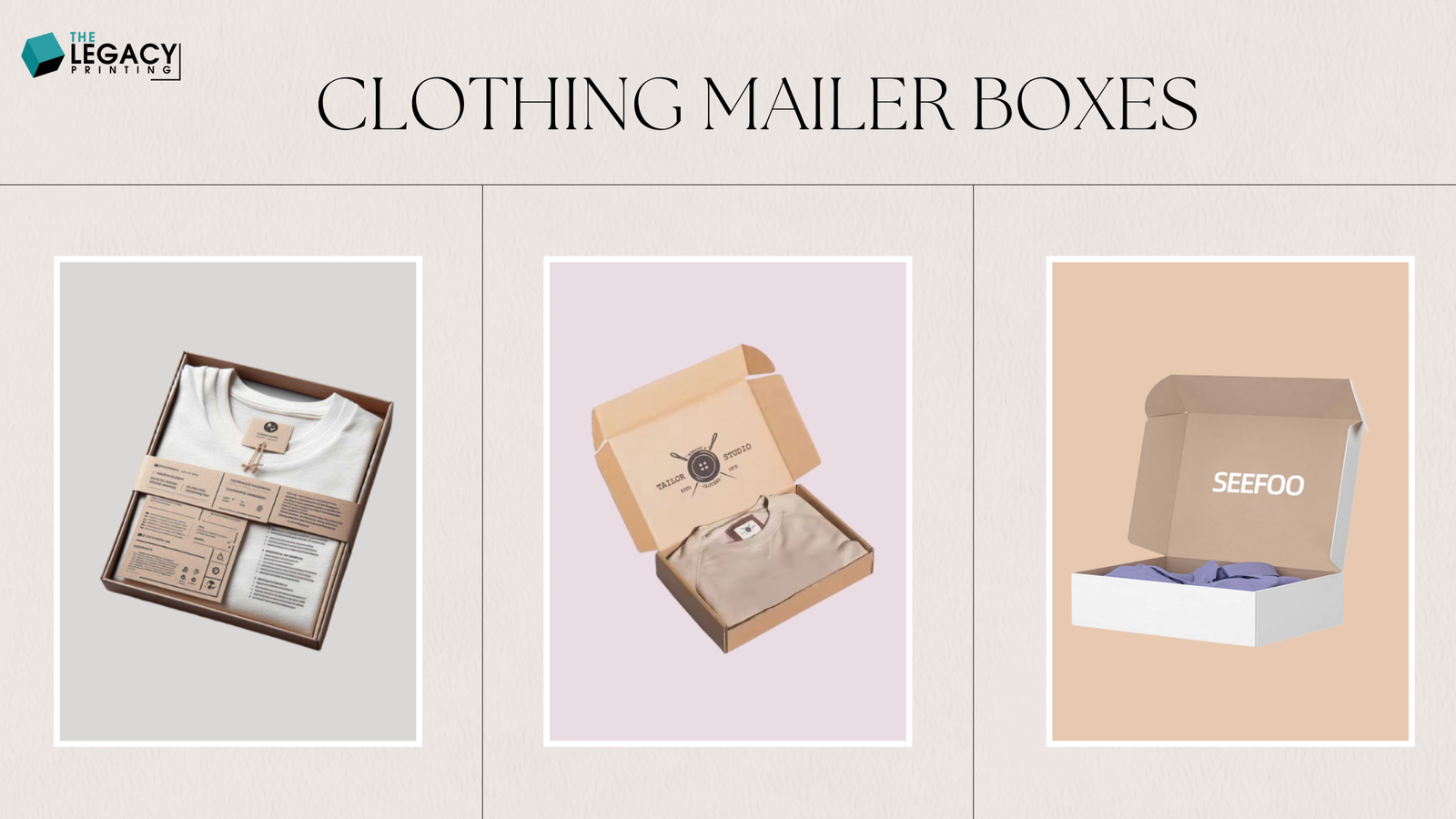
In the fast-paced world of e-commerce, packaging is far more than a means to deliver products—it’s a critical touchpoint that shapes customer perceptions, protects valuable goods, and reflects a brand’s commitment to sustainability. For fashion retailers, clothing mailer boxes have become a cornerstone solution, blending durability, aesthetic appeal, and eco-friendly design. Unlike flimsy poly mailers, these rigid corrugated cardboard boxes safeguard everything from delicate silk dresses to bulky winter coats while delivering a premium unboxing experience that fosters customer loyalty. This comprehensive guide explores the design considerations, sustainability trends, practical applications, challenges, and future innovations of clothing mailer boxes, enriched with real-world data, case studies, and actionable insights to help brands thrive in a competitive market. With a focus on clarity and structure, this article uses subheadings to organize content and balances narrative flow with minimal, purposeful lists, incorporating in-line references as requested.What Are Clothing Mailer Boxes?
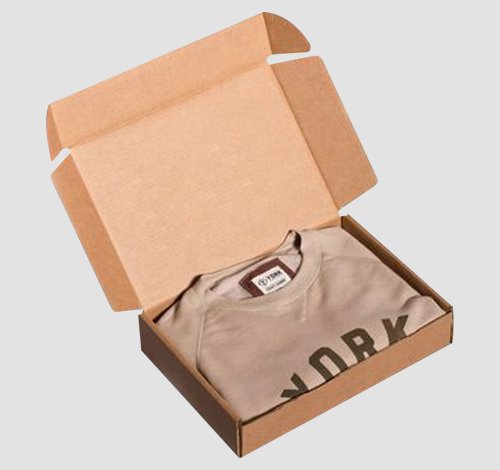
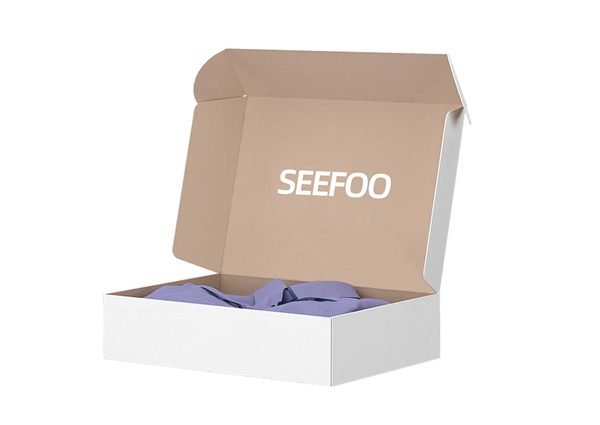 Clothing mailer boxes are robust packaging solutions crafted from corrugated cardboard, specifically designed to ship apparel securely. Unlike flexible poly mailers, they offer structural integrity, making them ideal for protecting delicate or high-value items, such as silk blouses or tailored outerwear. These boxes are lightweight yet sturdy, highly customizable for branding, and often made from recycled or biodegradable materials to align with the growing demand for sustainable packaging. Their versatility accommodates a wide range of apparel, from compact socks to multi-item orders, while enhancing the customer experience through thoughtful design elements like branded tissue paper, custom inserts, or embossed logos. By combining functionality with aesthetics, clothing mailer boxes elevate the unboxing process, turning it into a memorable brand interaction.
Why Clothing Mailer Boxes Are Gaining Popularity
Meeting Consumer Expectations
The global e-commerce apparel market, valued at $551 billion in 2024 (Statista), is fiercely competitive, pushing brands to differentiate through packaging. Clothing mailer boxes have surged in popularity by meeting evolving consumer expectations. A 2023 survey by Dotcom Distribution revealed that 61% of shoppers are more likely to repurchase from brands offering premium packaging, as the tactile experience of opening a sturdy, well-designed box feels akin to unwrapping a gift. This emotional connection drives loyalty, with 45% of consumers valuing a memorable unboxing moment that feels personal and intentional.Superior Protection for Apparel
For delicate fabrics like linen or structured garments like blazers, mailer boxes provide unmatched protection. A 2024 study by Packaging World found that mailer boxes reduce damage-related returns by 25% compared to poly mailers, saving brands significant costs associated with replacements and refunds. This durability is crucial for high-value or fragile items, ensuring they arrive in pristine condition and reducing the financial and reputational impact of returns.Sustainability as a Competitive Edge
Sustainability is a major driver, with 74% of consumers willing to pay a premium for eco-friendly packaging. Recycled or compostable mailer boxes resonate strongly with eco-conscious shoppers, particularly Gen Z and Millennials, who prioritize environmental responsibility. In Europe, this trend is even stronger, with 78% of consumers demanding sustainable options. Brands leveraging eco-friendly materials not only meet customer expectations but also gain a competitive edge in markets with stringent environmental regulations.Branding and Marketing Opportunities
Customized mailer boxes serve as powerful marketing tools. Vibrant logos, embossed designs, or unique patterns create a visual impact, with 68% of consumers sharing aesthetically pleasing packaging on social media. This organic promotion amplifies brand reach, particularly for small businesses competing with industry giants. For example, a small boutique’s custom-printed box can generate buzz on platforms like Instagram, driving brand awareness without significant advertising costs.Regulatory Compliance and Versatility
Clothing mailer boxes provide ample space for mandatory apparel labeling, such as fiber content, care instructions, and country of origin, ensuring compliance with regulations like the U.S. Textile Fiber Products Identification Act. Their versatility accommodates diverse apparel types, from lightweight t-shirts to heavy coats, streamlining inventory management for retailers like H&M or Zara. This adaptability makes mailer boxes a practical choice for brands operating globally.Design Considerations for Clothing Mailer Boxes
Optimizing Size and Fit
Designing effective clothing mailer boxes starts with right-sizing to balance cost, protection, and sustainability. According to EcoEnclose, tailored packaging can reduce shipping costs by up to 30% by minimizing dimensional weight penalties from carriers like FedEx or UPS. Brands must account for apparel dimensions, folding techniques, and padding needs to ensure a secure fit that prevents items from shifting during transit. For instance, a compact 6” x 4” x 1” box is ideal for socks, while an 18” x 14” x 6” box suits coats or multi-item orders. Adding 0.5–1 inch to each dimension allows space for tissue paper or protective inserts without excess waste.Table 1: Recommended Clothing Mailer Box Sizes
| Clothing Item | Recommended Box Size (L x W x H) | Notes |
|---|---|---|
| Socks, Underwear | 6” x 4” x 1” | Compact for lightweight items, minimal void fill needed. |
| T-Shirts, Shirts | 10” x 8” x 2” | Fits folded shirts with space for tissue paper or branded inserts. |
| Jeans, Sweaters | 12” x 10” x 3” | Accommodates bulkier items; foam inserts for heavy fabrics recommended. |
| Dresses, Jackets | 14” x 12” x 4” | Extra space for delicate or structured garments; padding for shape. |
| Coats, Multi-Item Orders | 18” x 14” x 6” | Supports bulky items or multiple pieces; void fill for stability. |
Choosing the Right Materials
Material selection is pivotal for durability, cost, and environmental impact. Most mailer boxes use corrugated cardboard with a 32 ECT (Edge Crush Test) for standard strength, while 44 ECT is better suited for heavier items like denim jackets. Sustainable options, such as 70% post-consumer recycled cardboard or FSC-certified paper, reduce environmental footprint, with 82% of brands reporting improved customer satisfaction when using recycled materials. Water-based or plant-based coatings provide weather resistance without relying on plastic, aligning with eco-friendly trends seen in brands like Patagonia.Enhancing Brand Identity
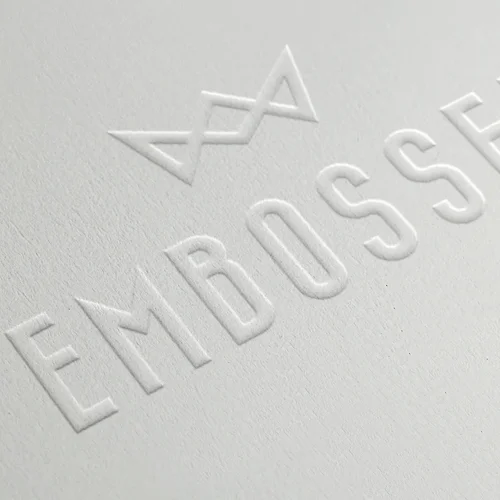
Customization transforms mailer boxes into brand ambassadors. Full-color CMYK printing delivers vibrant logos and patterns, while embossing or gold foiling adds a luxurious touch for high-end brands like Gucci. Including tissue paper, thank-you cards, or branded stickers enhances the unboxing experience, with 72% of consumers feeling a stronger connection to brands that personalize packaging. Minimalist designs with single-color printing, as used by Everlane, reduce ink usage while maintaining a sleek, modern aesthetic that appeals to budget-conscious brands.Incorporating Functional Features
Structural features improve both functionality and customer experience. Self-locking flaps eliminate the need for tape, speeding up packing and enhancing recyclability. Tear strips make opening effortless, creating a seamless unboxing process. Foam or cardboard inserts prevent movement for delicate items like dresses, ensuring they arrive in pristine condition. These features, combined with thoughtful design, make mailer boxes both practical and customer-friendly.Ensuring Regulatory Compliance
Compliance with apparel labeling regulations is critical to avoid costly penalties. Boxes must display country of origin (e.g., “Made in Bangladesh”), fiber content (e.g., “100% Cotton”), care instructions, and suffocation warnings for any plastic inserts, per U.S. Customs Service and ASTM standards. Non-compliance can lead to fines up to $10,000 per violation. Brands like Uniqlo integrate compliance details into their box designs, pre-printing labels to ensure adherence while maintaining a clean aesthetic.Sustainability in Clothing Mailer Boxes
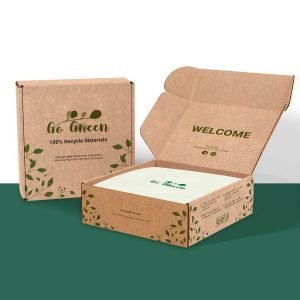
Embracing Eco-Friendly Materials
Sustainability is no longer optional—it’s a consumer expectation and regulatory requirement. Brands like Reformation lead the charge, using 100% recycled corrugated cardboard to minimize landfill waste. Noissue offers compostable mailer boxes that biodegrade within 180 days in industrial facilities, appealing to eco-conscious shoppers. FSC-certified paper, adopted by 65% of U.S. retailers in 2024, ensures sustainable forestry practices, while plastic-free coatings, such as water-based options from Packhelp, replace traditional lamination, reducing environmental impact.Reducing Carbon Footprint
Optimized packaging design significantly lowers environmental impact. A 2024 McKinsey study found that right-sized, lightweight packaging reduces carbon emissions by 15–20% during shipping. Using 200 GSM corrugated cardboard minimizes weight without sacrificing strength, lowering fuel consumption for carriers. Right-sizing also cuts material use by up to 25%, as noted by EcoEnclose in 2024, making it a cost-effective and eco-friendly strategy.Advancing Circular Economy Initiatives
Circular economy practices are gaining traction. Boox offers reusable mailer boxes designed for 10+ uses, with customers returning them via prepaid labels, reducing waste significantly. Stella McCartney incorporates compostable tissue paper and cornstarch-based void fill, supporting home composting. These initiatives align with consumer preferences, as 66% of Gen Z and Millennials prefer sustainable packaging, with 60% willing to pay a 5–10% premium. In Europe, 78% of consumers demand eco-friendly options, driving brands to adopt circular solutions.Navigating Regulatory Pressures
Regulatory frameworks are accelerating sustainable packaging adoption. The EU’s 2030 mandate requires all packaging to be recyclable or compostable, pushing brands to innovate with compostable materials. In the U.S., California’s SB 54 mandates 50% recycled content in packaging by 2027, incentivizing brands to transition to recycled cardboard. Early adopters, like Patagonia, gain a competitive edge by aligning with these standards while appealing to eco-conscious consumers.Chart 1: Consumer Preference for Sustainable Packaging
| Demographic | Preference for Sustainable Packaging (%) | Willing to Pay More (%) | Shares Unboxing on Social Media (%) |
|---|---|---|---|
| Gen Z | 72% | 68% | 75% |
| Millennials | 65% | 60% | 68% |
| Gen X | 58% | 52% | 55% |
| Boomers | 49% | 45% | 40% |
Practical Applications: How Brands Use Clothing Mailer Boxes
Everlane: Minimalist Sustainability
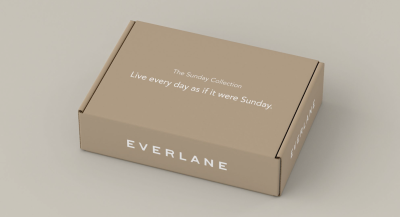 Everlane, a leader in sustainable fashion, uses minimalist mailer boxes made from 100% recycled corrugated cardboard, aligning with its transparent ethos. Simple black-and-white logos printed with eco-friendly ink create a clean, modern aesthetic. Recycled tissue paper and thank-you cards elevate the unboxing experience, contributing to a 15% increase in customer retention and 10% more social media engagement in 2024. By right-sizing boxes for items like t-shirts and sweaters, Everlane reduced void fill by 20%, optimizing shipping efficiency and cutting costs.
ASOS: Scaling Efficiency
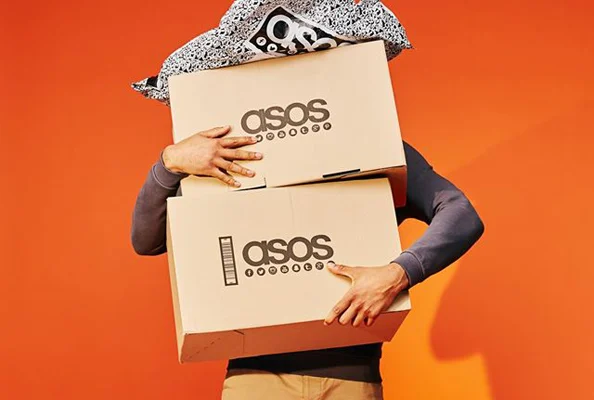 ASOS, a global fast-fashion giant, employs mailer boxes for multi-item and high-value orders. Their 100% recyclable, FSC-certified boxes are paired with automated packing systems that select optimal sizes, reducing shipping costs by 12% . QR codes printed on the boxes link to styling tips and product videos, driving 8% more website traffic. This data-driven approach ensures efficiency while maintaining a customer-centric experience, accommodating everything from dresses to accessories in a single, cohesive package.
Etsy Small Businesses: Personalization on a Budget
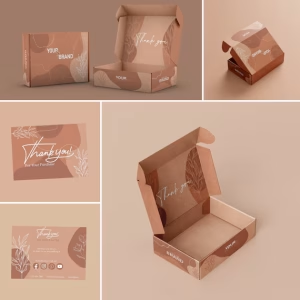 Small businesses on Etsy, like TheSustainableStitch, leverage custom mailer boxes to compete with larger retailers. Hand-drawn patterns on kraft cardboard create a rustic, artisanal aesthetic, while handwritten notes and reusable fabric wraps add a personal touch that resonates with customers. Bulk purchasing from Uline reduces costs by 15%, enabling a 20% sales increase after adopting branded boxes. These businesses demonstrate how mailer boxes can level the playing field, offering premium packaging without breaking the bank.
Reiss: Luxury and Protection
Luxury retailer Reiss uses premium mailer boxes for high-end apparel like suits and dresses. Embossed logos and gold foiling evoke exclusivity, while foam dividers maintain garment shape during transit. Made with 80% recycled content and biodegradable coatings, these boxes reduced return rates by 25% due to superior protection. This investment reinforces Reiss’s luxury positioning while aligning with sustainability goals, appealing to discerning customers who value quality and environmental responsibility.Stitch Fix: Innovative Subscription Packaging
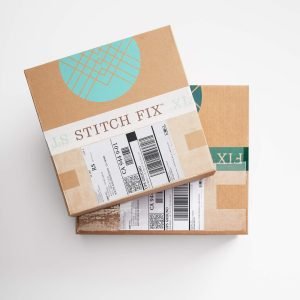 Stitch Fix, a clothing subscription service, uses mailer boxes for curated outfits, incorporating reusable designs with prepaid return labels. This approach cut waste by 30% in 2024. Style cards and fit guides personalize the experience, providing styling tips tailored to each customer. Machine learning optimizes box sizes based on order data, reducing shipping costs by 10%. This innovative use of mailer boxes supports Stitch Fix’s subscription model, enhancing customer satisfaction and operational efficiency.
Challenges and Solutions
Managing Higher Costs
The higher upfront cost of mailer boxes ($0.50–$2.00 per unit vs. $0.10–$0.50 for poly mailers, Elements Supply, 2024) can strain budgets, especially for small businesses. Bulk purchasing from suppliers like PackSavvy offers 20% discounts for orders over 10,000 units, making boxes more affordable. Right-sizing reduces material waste, and a 25% reduction in return rates due to better protection offsets initial costs by minimizing losses from damaged goods.Addressing Storage Constraints
Rigid mailer boxes require more warehouse space than flat poly mailers, posing a challenge for businesses with limited storage. Collapsible designs from Elements Supply reduce storage needs by 40%, as they lie flat when not in use. Just-in-time inventory from Packhelp minimizes overstock, ensuring boxes are produced only as needed. Modular warehousing, as implemented by Zara, optimizes space with stackable shelving systems designed for e-commerce logistics.Balancing Durability and Sustainability
Achieving durability without compromising sustainability is a key challenge. Lightweight 200 GSM corrugated cardboard maintains strength while reducing weight, lowering shipping emissions. Noissue’s compostable boxes, which biodegrade in 180 days, appeal to eco-conscious consumers. Carbon offsetting through partnerships like Carbonfund.org, as practiced by Patagonia, addresses shipping emissions, enhancing brand credibility and aligning with consumer values.Streamlining Packing Efficiency
Manual packing of mailer boxes can be time-intensive compared to poly mailers. Automated systems from Packsize boost throughput by 30%, creating custom-fit boxes on demand for high-volume retailers. Self-locking flaps, as used by H&M, reduce assembly time, while staff training, per EcoEnclose’s 2024 guide, cuts packing time by 15%. These solutions ensure efficiency without sacrificing quality.Ensuring Global Compliance
Compliance with global labeling standards, such as the U.S. Textile Act or EU regulations, is critical to avoid penalties. Pre-printed labels, as used by Uniqlo, integrate compliance details like fiber content and care instructions into box designs, maintaining a clean aesthetic. Software like Avalara automates labeling checks, streamlining international shipping and reducing the risk of fines up to $10,000 per violation.Future Trends in Clothing Mailer Boxes
Smart Packaging Innovations
Smart packaging is transforming how brands engage customers. QR codes and NFC tags printed on mailer boxes link to care instructions, loyalty programs, or augmented reality (AR) try-on experiences, enhancing interactivity. By 2027, 30% of fashion brands are expected to adopt smart packaging, driving engagement through personalized digital content. RFID tags, piloted by DHL, reduce lost packages by 18%, improving supply chain transparency and customer trust.Reusable and Returnable Designs
Reusable mailer boxes are gaining momentum as brands prioritize circular economy practices. Boox offers boxes designed for 10+ uses, with customers returning them via prepaid labels, projected to cut waste by 20% by 2030. Reformation’s 2024 pilot program, offering discounts for returned boxes, boosted customer retention by 12%, demonstrating the power of incentive-driven models. These reusable designs reduce environmental impact while fostering brand loyalty.Advanced Sustainable Materials
Innovative materials are redefining sustainability. Mycelium-based packaging, tested by Stella McCartney, uses agricultural waste for a biodegradable alternative that decomposes naturally. Packhelp’s nano-coatings provide water resistance without plastic, with 50% of eco-friendly brands adopting them in 2024. Lightweight composites reduce box weight by 15% while maintaining strength, cutting shipping emissions. These materials align with consumer demand for eco-friendly solutions and regulatory mandates.Automation and AI Integration
Artificial intelligence and automation are streamlining packaging processes. AI-driven sizing from PackSavvy predicts optimal box dimensions based on order data, reducing material waste by 20%. Automated packing systems from Ranpak increase efficiency by 35%, enabling high-volume retailers to scale operations seamlessly. Predictive analytics, as used by Amazon in 2024, align box production with demand spikes, minimizing overstock and optimizing costs.Minimalist and Modular Designs
Single-material boxes, made entirely of cardboard, enhance recyclability, with 70% of brands planning adoption by 2026. Modular inserts, like those used by Uniqlo, adjust to fit multiple product sizes, reducing the need for custom boxes and simplifying inventory. Minimalist printing with low-ink, single-color designs maintains brand appeal while reducing environmental impact, appealing to both cost-conscious and eco-conscious brands.Regulatory and Consumer-Driven Transparency
The EU’s 2030 mandate for recyclable or compostable packaging is driving innovation, with 40% of European brands testing compostable materials. In the U.S., California’s SB 54 pushes for 50% recycled content by 2027. Carbon footprint labels, as piloted by H&M in 2024, provide transparency, resonating with consumers who value environmental accountability. These regulatory and consumer-driven trends are shaping the future of mailer box design and adoption.Cost Analysis: Clothing Mailer Boxes vs. Poly Mailers
Clothing mailer boxes cost $0.50 to $2.00 per unit, compared to $0.10 to $0.50 for poly mailers. While poly mailers are lighter, reducing shipping costs, mailer boxes excel for delicate or high-value apparel due to their protective qualities. The 25% reduction in return rates and enhanced customer loyalty often justify the higher upfront cost, particularly for brands prioritizing premium experiences and brand differentiation.Table 2: Cost Comparison of Clothing Mailer Boxes vs. Poly Mailers
| Packaging Type | Average Cost per Unit (USD) | Shipping Cost Impact | Best Use Case |
|---|---|---|---|
| Poly Mailer | $0.10–$0.50 | Lower (lightweight) | Small, non-fragile items (e.g., t-shirts) |
| Clothing Mailer Box | $0.50–$2.00 | Higher (dimensional weight) | Delicate, high-value, or bulky apparel |
How to Choose the Right Clothing Mailer Box
Selecting the ideal clothing mailer box requires a strategic approach. Start by assessing product needs, matching box sizes to apparel types to ensure a secure fit without excess material. Luxury brands may opt for premium finishes like embossing or foiling to convey exclusivity, while budget-conscious businesses choose minimalist designs to control costs. Compliance with regulations, such as the U.S. Textile Act, is essential to avoid penalties, so verify that labels include required details like fiber content and care instructions. Prioritizing sustainability with recycled or compostable materials aligns with consumer trends, as 66% of shoppers prefer eco-friendly packaging. Testing samples from suppliers like ensures fit and durability, balancing cost efficiency with customer satisfaction.Conclusion
Clothing mailer boxes are revolutionizing e-commerce packaging by combining robust protection, compelling branding, and sustainable design. Their rise reflects a shift toward premium, eco-friendly solutions that resonate with modern consumers and meet regulatory demands. Through thoughtful design, sustainable materials, and innovative applications, brands can enhance customer loyalty, reduce operational costs, and stay ahead of industry trends. With smart packaging, reusable designs, and AI-driven optimization shaping the future, clothing mailer boxes are poised to redefine fashion logistics, delivering lasting value for businesses and customers alike.Frequently Asked Questions (FAQs)
1. What is a clothing mailer box?
A clothing mailer box is a foldable, self-locking box typically made from corrugated cardboard or kraft paperboard. It’s designed to safely ship apparel items while offering branding opportunities through customizable prints and finishes.
2. Are clothing mailer boxes recyclable?
Yes, most clothing mailer boxes are fully recyclable—especially when made from kraft or corrugated cardboard and printed with eco-friendly inks. Be sure to remove any plastic tape or labels before recycling.
3. What size mailer box do I need for clothing?
Box size depends on the clothing item. T-shirts and tops fit well in small boxes (9x6x2 inches), while hoodies or multiple items may require medium (12x9x3 inches) or large sizes. Some packaging suppliers offer custom sizing options.
4. Can I customize clothing mailer boxes with my logo?
Absolutely. Clothing mailer boxes can be customized with your logo, brand colors, tagline, and even interior prints. You can opt for full-color digital printing, foil stamping, embossing, or simple logo stickers depending on your budget.
5. How can I make my clothing packaging eco-friendly?
Use FSC-certified or recycled materials, soy-based inks, and avoid plastic fillers. You can also include plantable thank-you cards or encourage customers to reuse or recycle the box.
6. What’s the difference between mailer boxes and shipping boxes?
Mailer boxes are typically smaller, lighter, and designed for direct-to-consumer branding. Shipping boxes (like corrugated RSC boxes) are more rugged and used for bulk or wholesale deliveries.
7. Do clothing mailer boxes need extra protection inside?
Yes, especially for delicate items. Use tissue paper, recycled crinkle paper, or apparel sleeves to prevent movement and maintain presentation during shipping.
8. Can I use mailer boxes for international shipping?
Yes, but make sure the material is durable and complies with international shipping standards. Reinforce with tape if needed and clearly label the contents.
9. Where can I buy clothing mailer boxes in small quantities?
Many packaging suppliers offer low MOQ (minimum order quantity) options for startups and small businesses. Look for vendors who cater to ecommerce and DTC brands.
10. How can I encourage customers to share unboxing videos?
Include a branded hashtag, QR code for social tags, or a small freebie to create a memorable experience. Eye-catching design and thoughtful details increase the chances of going viral.