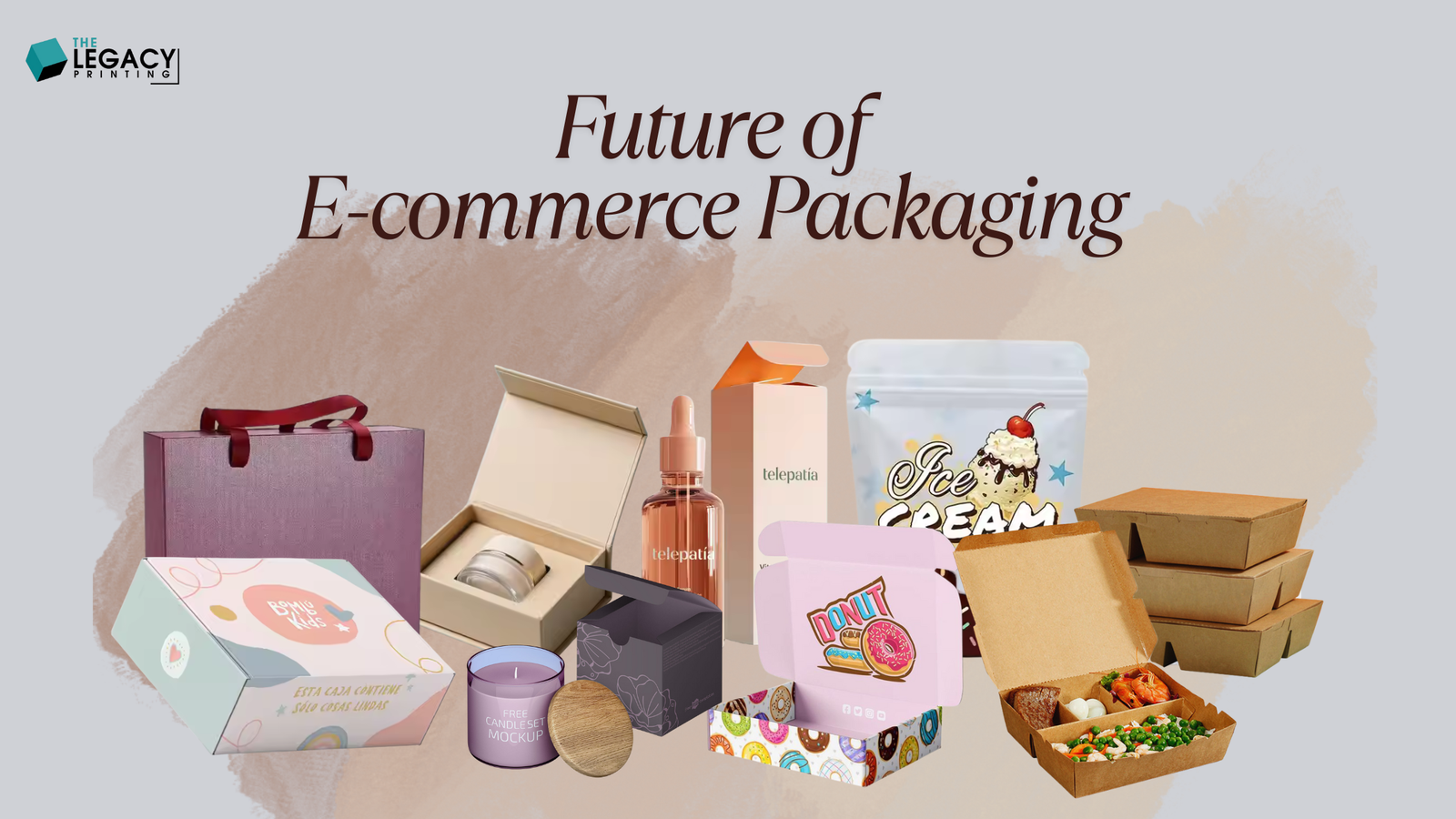
The Future of E-Commerce Packaging
The
Future of E-Commerce Packaging is undergoing a transformative shift, driven by the rapid growth of online retail, evolving consumer preferences, and technological innovations. Valued at USD 98.5 billion in 2024, the global e-commerce packaging market is projected to reach USD 264 billion by 2030, achieving a compound annual growth rate (CAGR) of 17.9%
[Mordor Intelligence]. This comprehensive analysis explores the
Future of E-Commerce Packaging, focusing on sustainability, customization, automation, and sector-specific solutions. It addresses sub-keywords like sustainable e-commerce packaging, e-commerce packaging automation, and branded e-commerce packaging, providing detailed insights, charts, and pros/cons to map the industry’s trajectory through 2030.
1. Sustainability in the Future of E-Commerce Packaging
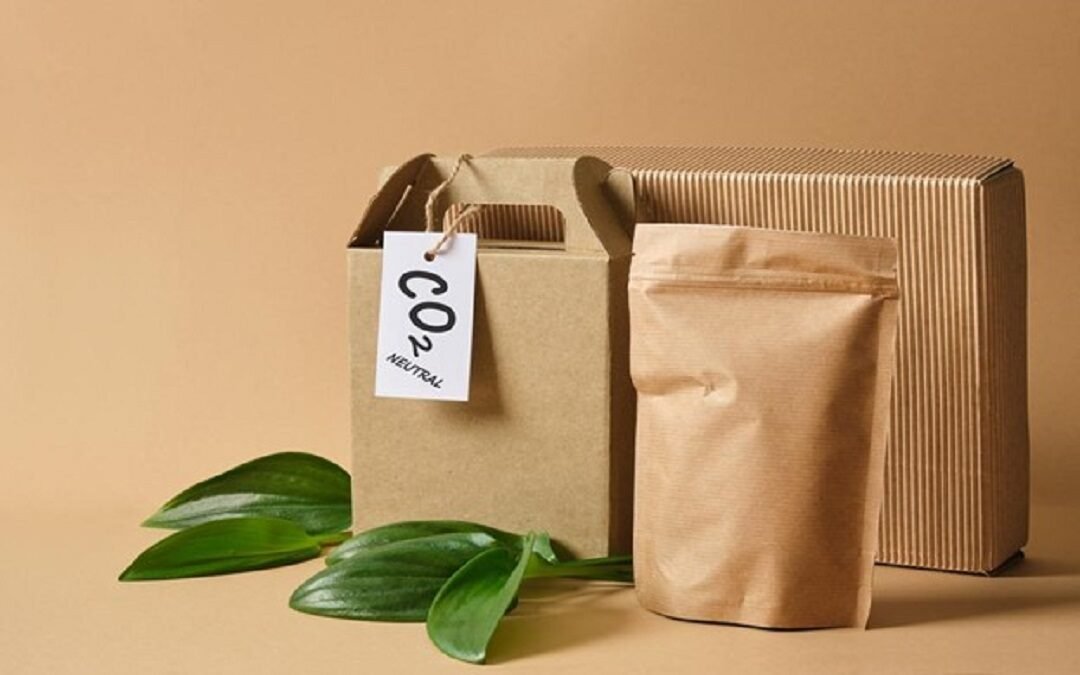 Sustainability
 is a cornerstone of the
Future of E-Commerce Packaging, propelled by consumer demand for
eco-friendly solutions, stringent regulatory mandates, and environmental imperatives. A 2024 survey found that 61% of Western European consumers are willing to pay a premium for sustainable packaging, while 68% globally prioritize brands with green practices. This shift is redefining material choices, design approaches, and supply chain strategies, positioning sustainability as a competitive advantage in the
Future of E-Commerce Packaging.
1.1 Eco-Friendly Materials
The
Future of E-Commerce Packaging relies on innovative materials to reduce environmental impact while meeting functional needs. These materials are shaping a sustainable landscape for e-commerce, balancing performance with eco-friendliness:
- Mushroom Mycelium: Grown from agricultural byproducts like corn stalks, mycelium creates lightweight, durable, and compostable packaging that decomposes in 30–45 days under industrial composting conditions. Ecovative’s mycelium solutions, used for electronics and cosmetics, reduce carbon footprints by 50% compared to plastics
- Seaweed-Based Films: Derived from marine algae, these films are biodegradable in marine and terrestrial environments, offering tensile strength comparable to polyethylene. They degrade within 60 days and are ideal for lightweight mailers and food packaging. Notpla is scaling seaweed-based solutions for e-commerce
- Cornstarch-Based Packaging: Affordable and water-soluble, cornstarch mailers and void fillers are popular for apparel and small electronics, leaving no microplastic residue. However, they require industrial composting for optimal degradation
- Recycled Content: The EU’s mandate for 30% recycled content by 2030 drives adoption of recycled polyethylene and polypropylene. Sealed Air’s 2024 inflatable air cushions, made with 95% recycled plastic, ensure durability while reducing virgin material use.
- Paper-Based Solutions: Corrugated cardboard, recyclable up to seven times without losing integrity, holds a 40% market share in 2024. Innovations like water-resistant coatings and honeycomb structures make it versatile for apparel, electronics, and more.
Chart: Market Share of Sustainable Materials in the Future of E-Commerce Packaging (2024)
| Material             | Market Share (%) | CAGR (2024–2030) |
|----------------------|------------------|------------------|
| Corrugated Cardboard | 40               | 9.5%             |
| Recycled Plastics    | 25               | 12.0%            |
| Biodegradable Films  | 15               | 18.2%            |
| Mycelium             | 5                | 20.1%            |
| Others (e.g., Seaweed) | 15             | 15.8%            |
Source:
Mordor Intelligence
Pros and Cons of Sustainable Materials
| Material |
Pros |
Cons |
| Mushroom Mycelium |
Compostable, low carbon footprint, customizable shapes |
High production costs, limited scalability |
| Seaweed-Based Films |
Marine-degradable, renewable source, strong tensile properties |
Requires specialized processing, higher cost than plastics |
| Cornstarch |
Affordable, water-soluble, widely available |
Needs industrial composting, less durable for heavy products |
| Recycled Plastics |
Cost-effective, regulatory compliance, durable |
Energy-intensive recycling process, quality variability |
| Corrugated Cardboard |
Recyclable, versatile, cost-competitive |
Price volatility (9% increase in 2023), bulky for storage |
1.2 Reusable and Minimalist Packaging
Reusable and minimalist packaging solutions are central to the
Future of E-Commerce Packaging, addressing waste concerns while enhancing efficiency:
- Wool Envelopes: Made from renewable wool fibers, these envelopes provide insulation for temperature-sensitive products like food and pharmaceuticals, maintaining temperatures for 48 hours. Woolcool’s solutions are ideal for meal kits and medical deliveries.
- Secondary-Use Packaging: Packaging designed for reuse, such as glass jars repurposed as storage containers or bottles as vases, adds consumer value. Lush Cosmetics’ reusable tins encourage secondary use, reducing waste by 10%.
- Minimalist Designs: Foldable cardboard boxes and lightweight corrugated containers reduce material use by 25% and optimize storage space. Flat-pack mailers, which expand during packing, cut shipping costs by 15% for SMEs, enhancing cost-effectiveness.
1.3 Challenges in Sustainable Packaging
The
Future of E-Commerce Packaging faces hurdles in scaling sustainable practices:
- Cost Barriers: Biodegradable materials like mycelium and seaweed films cost 20–30% more than traditional plastics, squeezing SME margins. Scaling production to achieve economies of scale remains a priority.
- Supply Chain Volatility: A 9% price increase in corrugated cardboard from 2022 to 2023, driven by supply chain disruptions, strained budgets. Limited availability of sustainable raw materials like seaweed further complicates adoption.
- Greenwashing Scrutiny: The EU’s Green Claims Directive imposes fines up to 4% of annual revenue for misleading claims like “eco-friendly,” pushing brands toward verifiable terms like “carbon-neutral”.
- Consumer Education: Only 45% of consumers understand proper recycling protocols, leading to improper disposal of biodegradable materials, which undermines sustainability efforts.
1.4 Opportunities
The
Future of E-Commerce Packaging offers significant opportunities for innovation:
- Closed-Loop Systems: Platforms like Loop, piloted with retailers like Tesco, enable reusable packaging, reducing waste by 20% through returnable containers.
- Consumer Loyalty: Brands with sustainable packaging see a 15% increase in customer retention, as 68% of shoppers prioritize eco-friendly practices, creating a competitive edge.
- Innovative Adhesives: Plant-based adhesives and water-resistant coatings enhance the eco-friendliness of paper-based packaging, opening new revenue streams for manufacturers.
2. Customization in the Future of E-Commerce Packaging
Customization is a defining pillar of the
Future of E-Commerce Packaging, as packaging serves as the primary physical touchpoint for online shoppers. A 2024 survey found that 70% of consumers say packaging influences brand perception, making customization a critical strategy for engagement and brand loyalty.
2.1 Personalized Packaging Designs
Customized packaging enhances functionality and brand identity in the
Future of E-Commerce Packaging:
- Tailored Shapes and Sizes: Custom inserts, dividers, and boxes reduce product damage by 15% and material waste by 20%. Reedbut Group’s 2024 customizable cardboard mailers offer SMEs affordable, high-quality solutions.
- Vibrant Graphics and Printing: Digital printing with water-based inks and soy-based dyes enables high-resolution logos and storytelling elements. DTC brands like Allbirds use colorful designs to create “Instagrammable” unboxing moments, driving 25% more social media engagement.
- Discreet Packaging: For sensitive products like CBD or pharmaceuticals, plain outer boxes with subtle branding (e.g., embossed logos) ensure privacy. This is vital for the health and wellness sector, which grew 12% in 2024.
Chart: Impact of Custom Packaging on Consumer Behavior (2024)
| Metric                       | Percentage (%) |
|------------------------------|----------------|
| Influences Brand Perception  | 70             |
| Drives Repurchase Intent     | 40             |
| Increases Social Media Shares| 25             |
Pros and Cons of Custom Packaging
| Aspect |
Pros |
Cons |
| Tailored Designs |
Reduces damage, enhances brand identity, minimizes material use |
Higher design and production costs (10–15% increase) |
| Vibrant Printing |
Boosts social media engagement, aligns with sustainability goals |
Requires advanced printing technology, increasing upfront costs |
| Discreet Packaging |
Ensures privacy, appeals to niche markets |
Limits branding visibility, higher material costs for subtle designs |
2.2 The Unboxing Experience
The unboxing experience is a powerful marketing tool in the
Future of E-Commerce Packaging. In 2024, 40% of consumers reported being more likely to repurchase from brands with memorable unboxing experiences. Luxury brands like Glossier use minimalist packaging with tissue paper and embossed boxes to evoke exclusivity, while DTC brands add thank-you notes, stickers, or QR codes linking to loyalty programs. Unboxing videos on TikTok and Instagram generated over 1 billion views in 2024, amplifying brand reach.
2.3 Challenges and Opportunities
The
Future of E-Commerce Packaging must balance customization with practical constraints:
- Challenges: Custom packaging increases costs by 10–15%, posing barriers for SMEs. Over-packaging risks negating sustainability efforts, with 30% of consumers criticizing excessive materials.
- Opportunities: Memorable packaging boosts customer retention by 20% and drives user-generated content, offering free marketing. Modular packaging systems enable scalable customization, balancing cost and creativity.
3. Automation and Technology in the Future of E-Commerce Packaging
Automation and smart technologies are revolutionizing the
Future of E-Commerce Packaging, addressing labor shortages and rising costs. With global e-commerce sales projected to exceed USD 6 trillion by 2027, automation is critical for scalability and efficiency.
3.1 Automated E-Commerce Packaging
Automation streamlines processes, enhancing efficiency in the
Future of E-Commerce Packaging:
- Robotic Systems: Sparck Technologies’ CVP Everest produces custom-sized boxes on demand, reducing material waste by 30% and shipping costs by 15%. These systems are widely used in high-volume fulfillment centers.
- 3D Printing: Rapid prototyping of custom inserts and molds reduces design cycles from weeks to days, ideal for electronics and luxury goods. In 2024, 10% of large retailers adopted 3D printing for packaging prototypes.
- Adhesive Solutions: Recyclable hot-melt and water-based adhesives ensure secure sealing while meeting sustainability standards. Automated applicators reduce labor costs by 10%.
Chart: Adoption of Automation Technologies (2024)
| Technology           | Adoption Rate (%) | Cost Savings (%) |
|----------------------|-------------------|------------------|
| Robotic Systems      | 35                | 20               |
| 3D Printing          | 10                | 15               |
| Automated Adhesives  | 25                | 10               |
Pros and Cons of Automation
| Technology |
Pros |
Cons |
| Robotic Systems |
Reduces waste, improves throughput, scalable for high volumes |
High upfront costs (USD 50,000–500,000), complex integration |
| 3D Printing |
Accelerates prototyping, customizable designs |
Limited to small-scale production, high material costs |
| Automated Adhesives |
Enhances sustainability, reduces labor costs |
Requires precise calibration, limited to specific packaging types |
3.2 Smart Packaging Technologies
Smart packaging enhances functionality and engagement in the
Future of E-Commerce Packaging:
- QR Codes and RFID Tags: Adopted by 30% of e-commerce brands in 2024, QR codes provide recycling instructions and promotions, while RFID tags reduce lost shipments by 12%.
- Sensors: Temperature and shock sensors ensure product integrity for pharmaceuticals and food, maintaining conditions like 2–8°C for insulin shipments.
- Augmented Reality (AR): AR-enabled packaging, such as virtual try-ons for cosmetics, grew 25% in 2024, enhancing consumer interaction and brand engagement.
3.3 Lightweight and Durable Materials
Innovative materials support efficiency and sustainability in the
Future of E-Commerce Packaging:
- Flexi-Hex: A honeycomb-structured paper sleeve, 50% lighter than bubble wrap, offers comparable protection for fragile items.
- Rollor Packaging: Flexible, rollable packaging reduces void fill by 40%, ideal for irregular shapes like apparel or electronics.
- Air Cushions: Made from 95% recycled plastics, these provide cost-effective protection for a wide range of products.
3.4 Challenges and Opportunities
The
Future of E-Commerce Packaging must navigate automation’s challenges while seizing its benefits:
- Challenges: Automated machinery costs USD 50,000–500,000, deterring SMEs. Integration with legacy systems requires expertise and time.
- Opportunities: Automation reduces labor costs by 20% and improves throughput, enabling scalability. Smart packaging provides data-driven insights, enhancing marketing and inventory management.
4. Sector-Specific Solutions in the Future of E-Commerce Packaging
The
Future of E-Commerce Packaging varies by sector, with tailored solutions addressing unique product needs and consumer expectations.
4.1 Apparel and Accessories
The apparel sector, holding a 25.3% market share in 2024, is driven by fast fashion and DTC brands. Recycled cardboard mailers, biodegradable polybags, and custom tissue paper enhance unboxing experiences. Brands like Shein and ASOS use vibrant designs to create memorable packaging, while foldable mailers reduce shipping costs by 10%.
4.2 Food and Drink
Corrugated board dominates
food packaging, with a 9.5% CAGR through 2029. Compostable trays and insulated boxes with recyclable ice packs ensure freshness for meal kits. HelloFresh’s insulated packaging maintains temperatures for 24 hours, supporting perishable goods delivery.
4.3 Pharmaceuticals
Pharmaceutical packaging prioritizes tamper-proof seals and paper-based blister packs, with a 15% market growth in 2024. Discreet designs cater to supplements and OTC medications, ensuring consumer privacy and product integrity.
4.4 Electronics
Durable packaging, such as corrugated boxes with molded pulp inserts, protects fragile components. Reusable solutions for refurbished devices, like those used by Apple, reduce waste by 10%, aligning with sustainability goals.
5. Regional and Regulatory Influences on the Future of E-Commerce Packaging
The
Future of E-Commerce Packaging is shaped by regional market dynamics and global regulatory frameworks, influencing material choices, design strategies, and operational efficiencies.
5.1 Regional Market Dynamics
5.1.1 United Kingdom
The UK’s e-commerce packaging market is projected to grow at a CAGR of 11.7% from 2024 to 2034, driven by a 30% increase in online shopping and 95% internet penetration. SMEs, comprising 60% of the sector, adopt minimalist packaging like flat-pack mailers to reduce shipping costs by 15%. Brands like ASOS and Boohoo leverage recyclable, customized mailers to align with the 65% of UK consumers prioritizing sustainable packaging. However, a 9% price increase in corrugated cardboard in 2023 challenges profitability.
5.1.2 South Korea
South Korea’s market expects a 12.8% CAGR, fueled by 80% smartphone penetration and rapid urbanization. Lightweight packaging, such as corrugated boxes and air cushions, supports 25% of e-commerce exports, particularly in electronics and cosmetics. Companies like Coupang use automated systems to cut processing times by 20%, while compliance with ISO 18602 for reusable packaging drives sustainable material adoption. High logistics costs, accounting for 30% of packaging expenses, remain a challenge.
5.1.3 North America
North America holds a 30% share of the global e-commerce packaging market, driven by a 35% increase in online retail sales since 2020. Automation adoption, with 40% of large retailers using robotic systems, enhances efficiency. Brands like Walmart adopt biodegradable mailers to meet consumer demand, with 70% of U.S. shoppers favoring sustainable packaging. Regulations like California’s Plastic Pollution Prevention Act push for recyclable materials.
Chart: Regional E-Commerce Packaging Market Growth (2024–2034)
| Region        | CAGR (%) | Key Driver                     | Market Share (2024) |
|---------------|----------|--------------------------------|---------------------|
| United Kingdom| 11.7     | 30% increase in online shopping| 15%                 |
| South Korea   | 12.8     | 80% smartphone penetration     | 10%                 |
| North America | 10.5     | 35% increase in retail sales   | 30%                 |
5.2 Regulatory Landscape
Global regulations are reshaping the
Future of E-Commerce Packaging, emphasizing sustainability and accountability:
- Single-Use Plastic Bans: The EU’s Directive on Single-Use Plastics, effective since 2021, bans items like plastic bags, driving 60% of EU e-commerce packaging to paper-based materials. Similar bans in Canada and India reduce plastic use by 15% in these regions .
- Extended Producer Responsibility (EPR): Implemented in over 30 countries, EPR laws hold brands accountable for packaging waste, increasing recycling rates by 20% but raising costs by 5–10%. In the U.S., states like Oregon and Maine have adopted EPR, influencing sustainable packaging investments .
- Anti-Greenwashing Rules: The EU’s Green Claims Directive, enforced in 2024, imposes fines up to 4% of revenue for misleading claims, prompting 50% of e-commerce brands to revise marketing materials to use verifiable terms like “recyclable”.
Pros and Cons of Regulatory Influences
| Regulation |
Pros |
Cons |
| Single-Use Plastic Bans |
Reduces plastic waste, promotes biodegradable alternatives |
Increases material costs, requires supply chain reconfiguration |
| EPR |
Encourages recycling, improves waste management infrastructure |
Raises operational costs by 5–10%, complex compliance requirements |
| Anti-Greenwashing |
Enhances consumer trust, ensures transparent claims |
Limits marketing flexibility, high fines for non-compliance |
6. Emerging Trends Shaping the Future of E-Commerce Packaging
The
Future of E-Commerce Packaging is defined by trends that align with consumer expectations, technological advancements, and sustainability goals, driving innovation across the industry.
6.1 E-Commerce Packaging Design
Minimalist and branded designs are pivotal in the
Future of E-Commerce Packaging, optimizing storage and enhancing customer experience. Foldable mailers and lightweight corrugated boxes reduce shipping costs by 15%, while digital printing with eco-friendly inks enables vibrant customization. In 2024, 40% of DTC brands adopted personalized designs to create memorable unboxing experiences.
6.2 E-Commerce Packaging Machinery
Automated machinery, such as robotic box erectors and tape applicators, reduces processing times by 15–20% and labor costs by 20%. Systems like Sparck’s CVP Everest create custom-sized boxes, minimizing waste. In 2024, 35% of large retailers adopted these technologies, enhancing scalability.
6.3 Branded E-Commerce Packaging and Shipping
Integrated branding across packaging and shipping labels creates cohesive experiences in the
Future of E-Commerce Packaging. For example, ASOS uses branded mailers with QR codes linking to loyalty programs, boosting engagement by 25%. This trend enhances brand recall and drives social media shares .
6.4 E-Commerce Packaging Industry Solutions
Collaborations between brands, suppliers, and logistics providers drive standardized, sustainable solutions. The Sustainable Packaging Coalition, with 30% of e-commerce companies participating in 2024, promotes recyclable designs and shared recycling programs, reducing costs by 10% .
Chart: Adoption of E-Commerce Packaging Trends (2024)
| Trend                        | Adoption Rate (%) | Impact on Efficiency (%) |
|------------------------------|-------------------|--------------------------|
| Minimalist Design            | 40                | 15                       |
| Automated Machinery          | 35                | 20                       |
| Branded Packaging            | 45                | 25 (engagement)          |
| Industry Collaborations      | 30                | 10                       |
7. Challenges and Opportunities in the Future of E-Commerce Packaging
The
Future of E-Commerce Packaging faces significant challenges but also offers substantial opportunities for innovation and growth.
7.1 Key Challenges
The
Future of E-Commerce Packaging must address several obstacles to achieve sustainable growth:
- Cost Pressures: A 9% increase in corrugated cardboard prices from 2022 to 2023, coupled with biodegradable materials costing 20–30% more than plastics, strains profitability, especially for SMEs .
- Regulatory Compliance: Diverse global regulations, such as EPR and plastic bans, require significant resources, with compliance costs rising by 10% in 2024. SMEs struggle to navigate complex standards across markets .
- Packaging Waste: Despite progress, 40% of e-commerce packaging remains non-recyclable, contributing 15 million tons of plastic waste annually. This poses environmental and reputational risks.
- Consumer Education: Only 45% of consumers understand proper recycling protocols, leading to improper disposal and reduced efficacy of sustainable materials, hindering environmental goals.
7.2 Key Opportunities
The
Future of E-Commerce Packaging offers pathways to overcome challenges through innovation:
- Material Innovation: Biodegradable materials like mycelium and seaweed films attract 20% of brands investing in R&D, enhancing brand reputation and aligning with consumer preferences for sustainability.
- Automation Adoption: Automated systems reduce labor costs by 20% and improve throughput, with affordable solutions starting at USD 10,000, enabling scalability for SMEs and large retailers alike.
- Consumer Engagement: Smart packaging, such as QR codes and AR, drives loyalty, with 30% of consumers more likely to engage with interactive packaging. Personalized unboxing boosts retention by 20%.
- Collaborative Solutions: Industry partnerships, like shared recycling programs, reduce costs by 10% and promote sustainability, with 30% of companies participating in 2024.
Pros and Cons of Addressing Challenges
| Challenge |
Pros of Addressing |
Cons of Addressing |
| Cost Pressures |
Long-term savings through economies of scale, brand loyalty |
High initial investment, delayed ROI |
| Regulatory Compliance |
Enhanced market access, consumer trust |
Resource-intensive, complex global standards |
| Packaging Waste |
Reduced environmental impact, regulatory compliance |
Higher material costs, infrastructure limitations |
| Consumer Education |
Improved recycling rates, stronger brand reputation |
Requires ongoing investment in campaigns |
8. Amazon’s Role in the Future of E-Commerce Packaging
 Amazon’s Frustration-Free Packaging
 (FFP) program is a benchmark for the
Future of E-Commerce Packaging, emphasizing minimal, recyclable, and easy-to-open solutions. Launched in 2008 and expanded by 2024, FFP reduced material use by 25% and void fill by 30%, saving 2.5 million metric tons of waste since its inception.
8.1 Key Features
Amazon’s FFP program shapes the
Future of E-Commerce Packaging through innovative practices:
- Minimalist Design: Right-sized packaging eliminates excess materials, cutting costs by 15%. Products are often shipped in their original packaging, reducing the need for additional boxes.
- Machine Learning: The PackOpt algorithm, introduced in 2023, analyzes product dimensions to optimize box sizes, reducing shipping costs by 12% and minimizing void fill.
- Recyclable Materials: Over 95% of Amazon’s packaging is recyclable, with a shift to 100% recyclable paper mailers and padded envelopes. Single-use plastic delivery bags were eliminated in North America in 2024.
- Easy-to-Open Packaging: Tear strips and perforations replace excessive tape, reducing customer complaints about difficult-to-open packages by 20% .
- Automation: Robotic box erectors and tape applicators process up to 2,000 packages per hour, cutting labor costs by 18% and enhancing scalability.
8.2 Sustainability Initiatives
Amazon’s sustainability efforts align with its Climate Pledge to achieve net-zero carbon by 2040, influencing the
Future of E-Commerce Packaging:
- Recycled Content: Paper-based packaging incorporates 50–75% recycled content, meeting global regulations like the EU’s 30% mandate.
- Plastic Reduction: Amazon reduced plastic packaging by 11.6% globally in 2024, with plans to eliminate single-use plastics in Europe by 2025.
- Reusable Packaging: Pilot programs for reusable totes in select regions reduced waste by 10% for high-frequency delivery routes, setting a model for scalable solutions.
8.3 Challenges and Criticisms
Despite its leadership, Amazon faces challenges in the
Future of E-Commerce Packaging:
- Scale vs. Sustainability: Critics note that Amazon’s high-volume operations generate significant waste, with 40% of packaging non-recyclable in some regions due to local infrastructure limitations.
- Cost of Transition: Shifting to sustainable materials increased packaging costs by 8% in 2023, impacting margins despite long-term savings.
- Consumer Confusion: Only 50% of customers correctly recycle Amazon’s paper-based packaging, hindered by inconsistent recycling infrastructure, which undermines sustainability goals.
8.4 Opportunities and Industry Impact
Amazon’s FFP program sets a precedent for the
Future of E-Commerce Packaging, influencing competitors like Walmart and eBay to adopt similar standards. Its focus on automation and recyclability has driven a 15% increase in industry-wide adoption of paper-based packaging since 2022. Partnerships with suppliers like Sealed Air and DS Smith accelerate innovation in recyclable air cushions and molded pulp inserts, shaping industry trends.
Chart: Amazon’s Frustration-Free Packaging Impact (2024)
| Metric                     | Value (%)         |
|----------------------------|-------------------|
| Material Reduction         | 25                |
| Void Fill Reduction        | 30                |
| Cost Savings (Shipping)    | 12                |
| Customer Complaint Reduction| 20                |
| Recyclable Packaging       | 95                |
Source:
Amazon
Pros and Cons of Amazon’s Packaging
| Aspect |
Pros |
Cons |
| Minimalist Design |
Reduces waste, lowers shipping costs, enhances customer experience |
Limited customization for branding |
| Machine Learning |
Optimizes box sizes, reduces void fill, scalable for high volumes |
High development costs, requires constant data updates |
| Recyclable Materials |
Aligns with regulations, reduces environmental impact |
Higher material costs, inconsistent recycling infrastructure |
| Automation |
Increases efficiency, reduces labor costs by 18% |
Significant upfront investment, maintenance complexity |
Conclusion
The
Future of E-Commerce Packaging is defined by sustainability, customization, and automation, with the market poised to reach USD 264 billion by 2030. Businesses must adopt eco-friendly materials, leverage smart technologies, and create engaging unboxing experiences to stay competitive. Amazon’s Frustration-Free Packaging program exemplifies this balance, setting industry benchmarks with minimal, recyclable solutions and automated systems. Despite challenges like cost pressures, regulatory compliance, and consumer education, opportunities in material innovation, automation, and collaborative solutions offer a path to differentiation. The
Future of E-Commerce Packaging promises a sustainable, efficient, and customer-centric evolution for online retail.